Leave Your Message

Top 10 Benefits of Using Copper Radiators for Your Projects?

Using Copper Radiators in your projects could be a game-changer. According to industry expert Dr. Amelia Thornton, "The thermal efficiency of copper is unmatched." This speaks volumes about the advantages of copper over other materials. As we explore the top ten benefits of copper radiators, we’ll discover why they stand out.

Copper radiators offer excellent heat transfer. Their superior conductivity ensures quick heating. This can significantly improve energy efficiency in various applications. Additionally, copper’s durability contributes to a longer lifespan, saving you money over time. However, the initial investment can be high, prompting reflection on budget considerations.

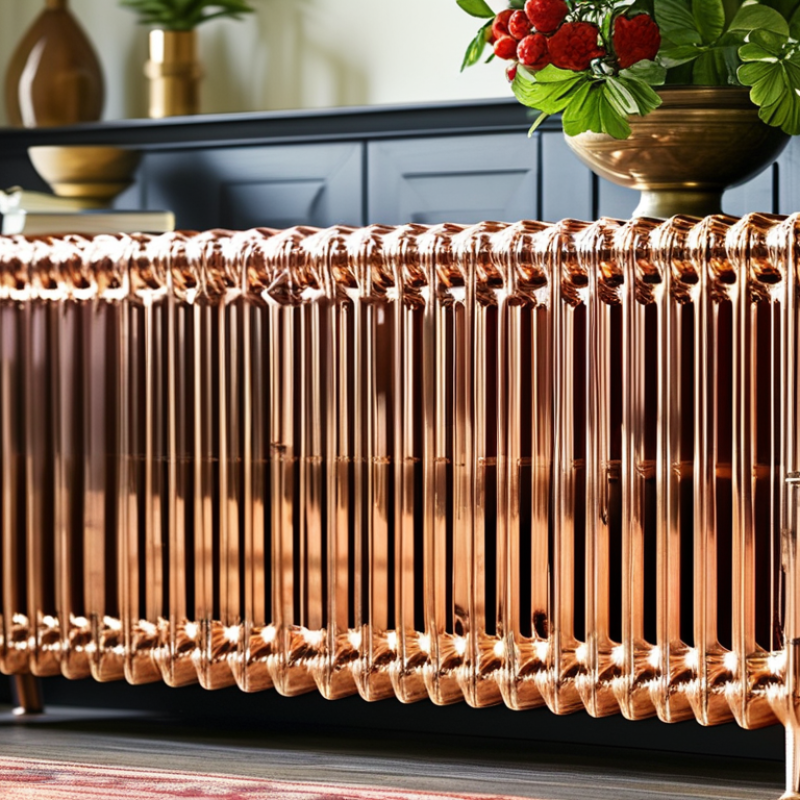
Moreover, the aesthetic appeal of copper radiators cannot be overlooked. They add a touch of elegance to any space. Yet, their upkeep requires consistent maintenance, which might be a drawback for some. This balance of beauty and practicality makes copper radiators a worthy consideration for your projects. Engaging with the nuances of these benefits will provide deeper insights into their long-term value.
Top 10 Benefits of Using Copper Radiators for Your Projects?

Advantages of Copper Radiators in Heat Transfer Efficiency

Copper radiators stand out for their exceptional heat transfer efficiency. This metal has excellent thermal conductivity, ensuring rapid heat dissipation and energy efficiency. Projects involving heating systems can benefit significantly. The high conductivity translates to quicker warm-up times and less energy wasted. In spaces where precise temperature control is vital, copper radiators excel.

When considering copper for a project, here are a few tips: Evaluate the specific heat needs of your space. Some areas might require more substantial heating, while others can function with lighter options. Investing in the right size of radiator prevents inefficiencies.

Another point to reflect on is maintenance. While copper radiators are durable, they require some attention over time. Regular checks can help identify corrosion or wear early. This proactive approach can extend their lifespan. A well-maintained copper radiator not only performs better but also offers more reliability in the long run.
Durability and Longevity of Copper Radiators Compared to Other Materials

Copper radiators stand out in terms of durability and longevity. Unlike plastic or aluminum options, copper resists corrosion better. This means fewer leaks and maintenance costs over the product's life. Heavy-duty applications benefit from copper's sturdy nature. It withstands high temperatures without warping or degrading. This reliability makes it a solid choice for both residential and industrial settings.

One might wonder if the initial investment in copper is worth it. Despite being pricier upfront, the longevity often offsets this cost. Many users report that copper radiators function optimally for decades. This long-term efficiency is a testament to their robust design. However, mishandling during installation or maintenance can diminish these advantages. Careful installation is crucial for maximizing lifespan. Overall, copper remains a trusted material due to its everlasting qualities.

Top 10 Benefits of Using Copper Radiators

Corrosion Resistance: Why Copper Radiators Stand Out

Copper radiators hold a significant advantage in the realm of corrosion resistance. Unlike other metals, copper forms a protective oxide layer when exposed to moisture. This layer prevents further corrosion, making copper a reliable choice for long-term use. According to a study by the Copper Development Association, copper's lifespan can extend over 50 years under optimal conditions.

The durability of copper radiators becomes crucial in various applications. In automotive and industrial machinery, resistance to corrosion helps maintain efficient heat exchange. Equipment operating in harsh environments benefits from this property. A 2021 report highlighted that copper's corrosion resistance can reduce maintenance costs by up to 30%. This statistic underscores the economic value of investing in copper radiators.

Moreover, while many materials break down over time, copper remains stable. Some might argue that alternatives could offer similar benefits. However, studies indicate that these alternatives often fall short in durability. Companies focusing on the life cycle of their products recognize that quality materials are essential. Copper’s performance consistently outshines others when it comes to longevity and effectiveness.

Aesthetic Appeal: The Visual Benefits of Copper Radiators

Copper radiators not only offer efficient heat transfer but also bring distinct aesthetic appeal to spaces. Their unique, warm hue adds a touch of elegance to any room. According to the American Society of Heating, Refrigerating and Air-Conditioning Engineers (ASHRAE), copper's natural properties also resist corrosion and improve longevity. This durability means that the visual appeal of copper can be maintained for decades, making these radiators a wise investment in both function and style.

Design versatility is another significant advantage of copper radiators. They can fit into various architectural styles, from modern to traditional. A report by the International Copper Association highlights that incorporating copper elements can elevate a space's design. However, it's crucial to consider the context. While copper radiators enhance aesthetics, they might not suit every environment, especially in settings where a more subdued appearance is desired. Balancing design and functionality becomes vital in project planning, reflecting a thoughtful approach to interior design.

Eco-Friendliness and Sustainability of Copper in Radiator Manufacturing

Copper is increasingly recognized for its eco-friendliness and sustainability in radiator manufacturing. This metal is not only durable but also fully recyclable. When copper radiators are manufactured, they require less energy to produce compared to other materials. This results in a lower carbon footprint during production. Recycling copper radiators can save significant amounts of energy, preserving natural resources.

Moreover, copper has natural antimicrobial properties. This quality can lead to cleaner environments in spaces heated by these radiators. The longevity of copper ensures that it remains useful for many years. However, the mining process can have environmental impacts, which raises questions about the overall sustainability of copper extraction. Each project needs to consider these factors carefully.

Using copper radiators can lead to more efficient energy use over time. They can effectively distribute heat, which might reduce energy consumption in buildings. However, the initial cost can be higher than other materials. Evaluating both immediate costs and long-term benefits is essential. Striking a balance between budget and sustainability is crucial for modern projects.

Top 10 Benefits of Using Copper Radiators for Your Projects

Benefit Description Eco-Friendliness Sustainability
Excellent Thermal Conductivity Copper radiators efficiently transfer heat, optimizing energy usage. Reduces energy consumption, leading to lower emissions. Copper can be recycled without loss of quality.
Durability Copper's resistance to corrosion extends radiator lifespan. Less frequent replacements reduce waste. Highly recyclable material contributes to a circular economy.
Aesthetic Appeal Copper radiators add a unique and elegant look to spaces. Encourages sustainable designs in architecture. Durable nature means less need for aesthetic renovations.
Natural Antimicrobial Properties Copper naturally kills bacteria, improving indoor air quality. Promotes healthier living environments. Provides a lasting solution without chemical treatments.
Lightweight Copper radiators are lighter than many alternatives, making installation easier. Reduces transportation emissions due to lower weight. Easier mobility reduces resource consumption during setup.
High Efficiency Copper's efficiency translates to faster heating with less energy. Contributes to reduced greenhouse gas emissions. Efficient use helps conserve natural resources.
Low Maintenance Copper requires minimal maintenance compared to other materials. Less maintenance means fewer chemicals and repairs needed. Long-term usage contributes to sustainability.
Compatibility Versatile for various heating systems and designs. Supports integration with renewable energy systems. Flexible solutions align with sustainable project goals.
Temperature Control Copper allows for precise temperature regulation. Efficient heating reduces overall energy consumption. Promotes energy-efficient building standards.
Investment Value Copper radiators can increase property value. Adding value through eco-friendly features. Long-term savings from energy efficiency justify initial costs.