Best Heat Exchanger Materials for China Suppliers in 2026?
In the dynamic world of industrial applications, the choice of Heat Exchanger Materials plays a critical role in efficiency and durability. As China transitions towards more sustainable practices, understanding the best materials for heat exchangers becomes essential for suppliers. According to a recent industry report by Grand View Research, the global heat exchanger market is projected to reach over $24 billion by 2026. This presents a significant opportunity for suppliers to innovate and improve their offerings.
Dr. Li Wei, a materials scientist at Tsinghua University, emphasizes, "Selecting the right materials is key to optimizing thermal performance and extending the lifespan of heat exchangers." This statement underlines the importance of strategic material selection in enhancing operational efficiency. While many suppliers may prioritize cost, the long-term benefits of superior Heat Exchanger Materials are undeniable.
Incorporating materials such as stainless steel, copper, and titanium can lead to better thermal conductivity and corrosion resistance. Yet, not all suppliers have adapted to these advancements. A lack of awareness could hinder progress in a competitive market. A perfect balance between cost, performance, and sustainability remains a challenge for many. The evolution of Heat Exchanger Materials will shape the industry's future in China.
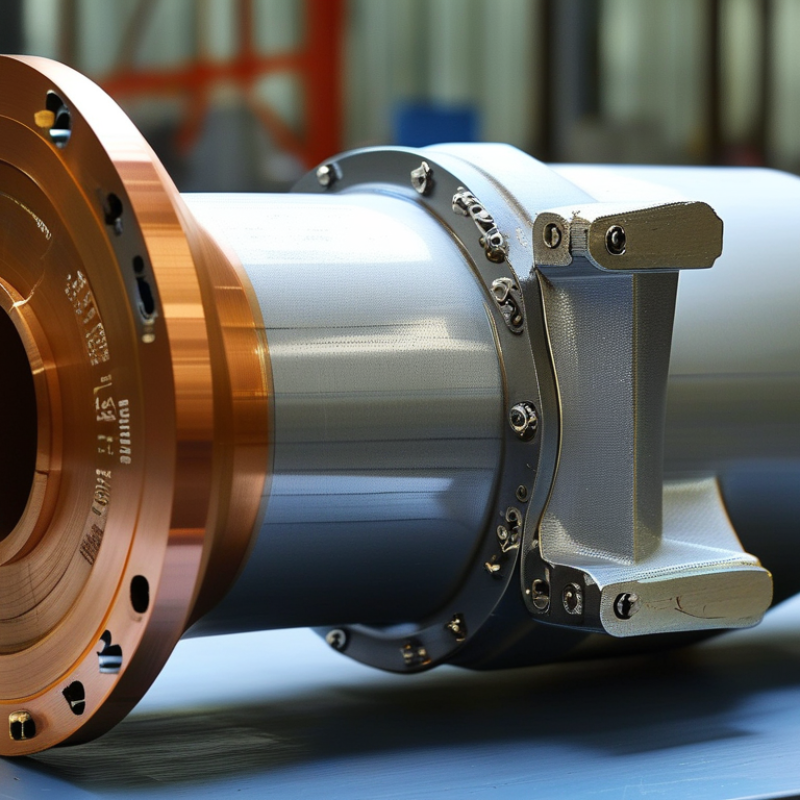
Current Trends in Heat Exchanger Materials for Suppliers in China
In 2026, the landscape of heat exchanger materials for suppliers in China is evolving rapidly. A recent report indicates that the demand for advanced materials, like titanium and specialized alloys, has risen. These materials improve efficiency and longevity, particularly in challenging industrial environments. For example, titanium exhibits outstanding corrosion resistance, making it ideal for applications in chemical processing.
Recent trends show a significant shift towards lightweight and more efficient materials. According to industry analysis, the use of high-performance polymers in heat exchangers is expected to increase. These polymers not only reduce weight but also enhance thermal efficiency. However, challenges remain. Many suppliers must adapt to new manufacturing processes to accommodate these materials, which can be resource-intensive.
Data from recent studies illustrate that the market for heat exchangers in China is projected to grow at a steady rate. Suppliers face pressure to innovate. Balancing cost, performance, and sustainability is critical. Many companies still rely on traditional materials, lacking the expertise necessary for a smooth transition to modern alternatives. There's a gap that needs bridging to fully realize the potential of these advanced materials in the market.
Key Material Properties for Optimal Heat Exchanger Performance
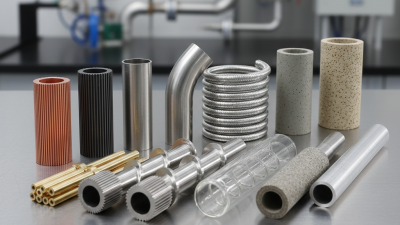
Choosing the right materials for heat exchangers is crucial for performance and durability. Copper and aluminum are popular choices due to their excellent thermal conductivity. Copper is often preferred for its superior heat transfer capabilities, while aluminum offers a lighter alternative. These materials can significantly enhance efficiency in various applications.
Corrosion resistance is also a key factor. Stainless steel is favored in many industries because of its robustness against rust and degradation. However, stainless steel can be more expensive than aluminum or copper. Understanding the specific environment in which the heat exchanger will operate is essential. For example, coastal areas with high salinity require materials that can withstand harsher conditions.
While these materials have distinct advantages, it’s important to consider trade-offs. For instance, while aluminum is lightweight and conducts heat well, it may not be suitable for high-pressure applications. Similarly, although copper excels in thermal conductivity, its cost can be a limitation for large-scale projects. Evaluating the project requirements and material properties can lead to a more effective selection process. Careful consideration will lead to better outcomes, but it requires a deep understanding of both the materials and the specific application.
Sustainable and Eco-Friendly Options for Heat Exchanger Manufacturing
As China looks ahead to 2026, the heat exchanger industry faces important changes. Sustainability is increasingly vital in manufacturing. Traditional materials often have significant environmental impacts. Eco-friendly alternatives are emerging but still need scrutiny.
Aluminum and copper are popular for heat exchangers. However, they come with significant ecological footprints. New materials like titanium and composite options are worth exploring. These choices are lighter and often more efficient. They can reduce energy consumption during production and operation. Yet, these materials can be costly and challenging to source consistently.
Manufacturers must consider the full lifecycle of heat exchangers. Eco-friendly materials must not only be efficient but also recyclable. The push for sustainable sourcing has led to innovative solutions. Nonetheless, the transition is complex. Some suppliers struggle to maintain quality while adopting new materials. There’s a need for continuous improvement and open discussions among stakeholders to drive positive change in the industry.
Best Heat Exchanger Materials for China Suppliers in 2026
| Material |
Thermal Conductivity (W/m·K) |
Corrosion Resistance |
Sustainability Rating |
Cost (USD/kg) |
| Copper |
400 |
Moderate |
C |
6.00 |
| Aluminum |
235 |
Good |
B |
2.50 |
| Stainless Steel |
16 |
Excellent |
B+ |
4.00 |
| Titanium |
22 |
Excellent |
A |
30.00 |
| Composite Materials |
320 |
Good |
A+ |
15.00 |
Market Demand and Supply Factors Influencing Material Selection
As the demand for efficient heat exchangers grows, material selection becomes crucial. In 2026, the Chinese market will likely see an increased need for stainless steel, copper, and aluminum. These materials offer durability and excellent thermal conductivity, making them essential in various industries, including HVAC and chemical processing.
A recent report indicates that the global heat exchanger materials market could reach USD 8.5 billion by 2026, with a compound annual growth rate of 5.2%. This growth is driven by energy efficiency regulations and the push for sustainable technology. Suppliers must respond to these trends by choosing the right materials. Innovations in alloys may also open new opportunities.
Tips: Consider the specific environmental conditions when selecting materials. Assessing factors such as corrosion resistance and thermal stability will enhance performance. Engaging with industry experts provides valuable insights as different applications may favor unusual or unconventional materials.
It is important to consider the supply chain intricacies as well. Trade policies can affect the availability of certain materials, leading to fluctuations in cost. Anticipating these market shifts is essential for suppliers to remain competitive. The challenge lies in balancing cost with the performance and life cycle of the materials chosen.
Future Innovations in Heat Exchanger Materials for 2026 and Beyond
The heat exchanger industry is evolving rapidly. Innovative materials are key to improving efficiency. In 2026, we expect to see advancements in polymers and composite materials. These materials offer lightweight options with excellent thermal conductivity. They are not just durable; they can also resist corrosion better than traditional metals.
Nanotechnology is playing a crucial role in these developments. Nano-coatings can enhance the heat transfer rates significantly. This could lead to smaller, more effective heat exchangers that consume less energy. However, the long-term reliability of these new materials still needs careful consideration. While they promise higher efficiencies, their lifespan in various environments is uncertain.
Recycling and sustainability are also gaining importance. As global awareness of environmental issues grows, the demand for eco-friendly materials increases. Suppliers should focus on developing recyclable options without sacrificing performance. Balancing innovation with environmental responsibility will be a significant challenge in the coming years. The industry must adapt to these changing needs to thrive.