2026 Best Heat Exchanger Tube Options for Your Industry Needs?
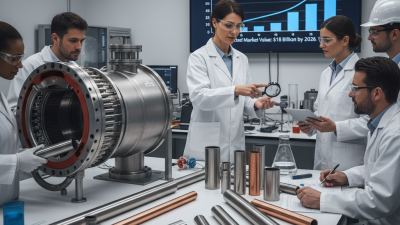
The heat exchanger tube is vital in various industries, ensuring efficient heat transfer. According to recent industry reports, the global heat exchanger market is projected to reach $18 billion by 2026. As energy efficiency becomes increasingly important, the demand for high-performance heat exchanger tubes grows.
Different materials and designs may suit different applications. Stainless steel, copper, and titanium are popular choices due to their durability and thermal conductivity. A mismatch in material selection can lead to inefficiency. This emphasizes the need for careful consideration when choosing the right heat exchanger tube.
Despite advancements, challenges persist. Corrosion remains a common issue in many sectors. Frequent maintenance is necessary to avoid costly downtimes. Additionally, manufacturers must adapt to changing regulations and environmental standards. This leads to a continuous need for innovation in heat exchanger tube designs.

Key Factors to Consider When Choosing Heat Exchanger Tubes
Choosing the right heat exchanger tubes is critical for optimizing industrial processes. Several key factors must be considered.
Material selection is one of them. Tubes made from stainless steel or copper alloys are often recommended due to their corrosion resistance and thermal efficiency.
A recent industry report noted that 80% of heat exchangers made from these materials showed improved lifespan over cheaper alternatives.
Design specifications are equally essential. The tube diameter and wall thickness affect thermal performance. A study revealed that using smaller diameters can
increase heat transfer efficiency by up to 30%. However, smaller tubes can also clog more easily.
This trade-off is often overlooked, leading to maintenance challenges down the road.
Finally, operational conditions play a vital role in choosing materials. Different industries may face unique stresses;
high-pressure steam applications demand robust tubing. Some professionals underestimate the impact of these conditions, which can lead to premature failures.
Recognizing these factors can result in better selection and operational efficiency.
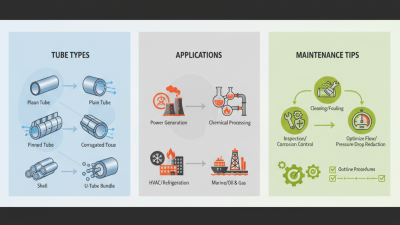
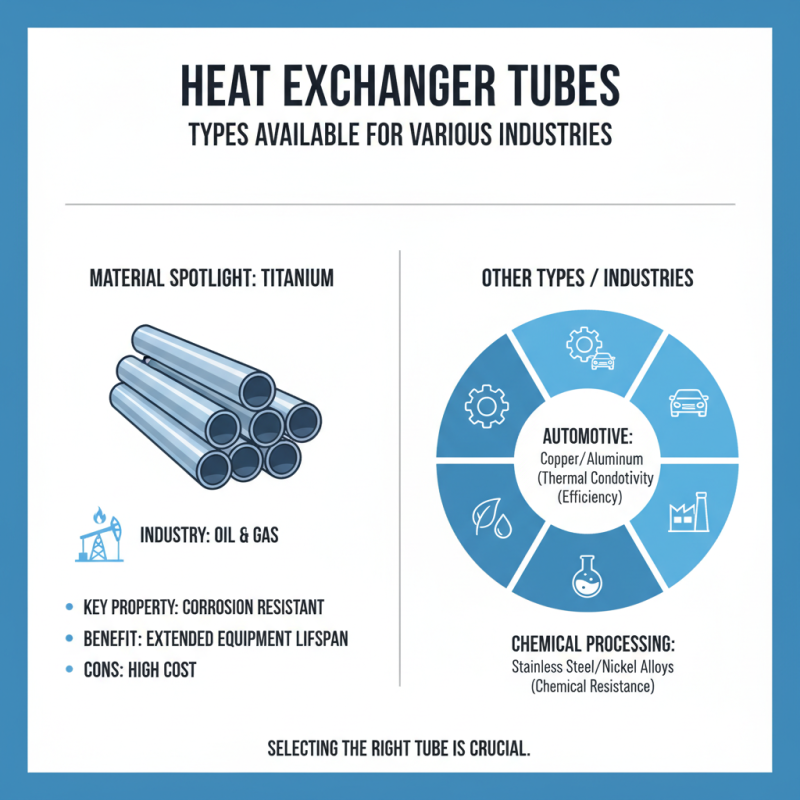
Types of Heat Exchanger Tubes Available for Various Industries
When it comes to heat exchangers, tube selection is crucial. Different industries require specific types to meet unique needs. For example, oil and gas sectors often prefer titanium tubes. They resist corrosion well. This property extends the lifespan of the equipment. However, titanium can be expensive.
In chemical processing, stainless steel is common. It offers good durability and can handle extreme temperatures. But, not all stainless steel is created equal. Some grades perform better in certain environments than others. A careful selection is needed to avoid premature failures.
In the HVAC industry, copper tubes are often favored. Copper has excellent thermal conductivity. This feature makes it effective for heating and cooling systems. Yet, copper is prone to corrosion. Regular maintenance is essential to ensure performance. Balancing cost and functionality is a persistent challenge. Finding the right heat exchanger tube can make all the difference.
Material Selection for Heat Exchanger Tubes and Its Impact on Performance
Material selection for heat exchanger tubes plays a crucial role in their overall performance. The right material can enhance thermal conductivity and corrosion resistance. For instance, carbon steel is popular for its strength. However, it struggles against corrosion, particularly in acidic environments.
Stainless steel, on the other hand, offers better resistance but at a higher cost. Recent reports suggest that nearly 30% of premature heat exchanger failures stem from poor material choices.
Copper alloys are another attractive option. They excel in thermal conductivity and are often used in refrigeration applications. Yet, they might tarnish in certain environments. The choice of alloy can greatly affect efficiency and longevity. A report from the Heat Exchange Society showed that using high-quality materials could reduce maintenance costs by 20% over five years.
Tips: Always assess the operating environment before choosing a material. Testing different options in real conditions could reveal unexpected results. Do not overlook the potential impact of heat transfer rates on your overall system efficiency. Sometimes, small changes make a big difference.
Maintenance and Performance Optimization of Heat Exchanger Tubes
Heat exchanger tubes play a critical role in many industries. They transfer heat efficiently between fluids. Regular maintenance is essential to ensure their longevity and performance. Neglecting this can lead to significant issues. Accumulation of deposits can weaken heat transfer. This problem can cause reduced efficiency and increased operational costs. Small leaks could escalate into major failures, impacting production.
Monitoring the condition of the tubes is vital. Regular inspections help identify potential problems early. The use of non-destructive testing methods is recommended. They can reveal cracks or corrosion without damaging the tubes. Optimizing the flow rates can also enhance performance. However, finding the right balance is crucial. Excessive flow can lead to erosion while insufficient flow causes overheating.
Conducting routine cleaning prevents buildup. Chemical cleaning agents may be effective but should be used with caution. Flushing systems with water can also be beneficial. Yet, excessive pressure can harm tubes. Training personnel on best practices is important. Mistakes happen, and they can be costly. Reflecting on these experiences can guide improvements.
2026 Best Heat Exchanger Tube Options for Your Industry Needs
| Material |
Corrosion Resistance |
Thermal Conductivity (W/m·K) |
Pressure Rating (MPa) |
Temperatures (°C) |
Applications |
| Copper |
Excellent |
390 |
15 |
-200 to 250 |
Marine, HVAC |
| Stainless Steel |
Good |
16 |
30 |
-200 to 600 |
Chemical processing, Food industry |
| Titanium |
Very Good |
22 |
25 |
-50 to 400 |
Marine, Aerospace |
| Carbon Steel |
Fair |
50 |
20 |
-45 to 350 |
Power plants, Cooling systems |
| Aluminum |
Good |
205 |
10 |
-100 to 200 |
Automotive, HVAC |
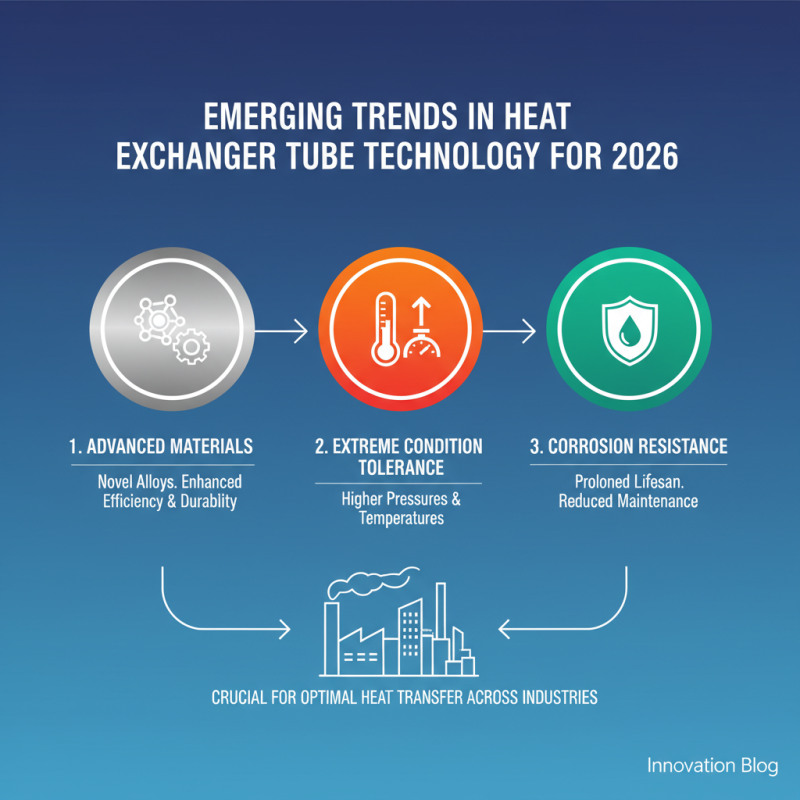
Emerging Trends in Heat Exchanger Tube Technology for 2026
As we look towards 2026, heat exchanger tube technology is taking bold steps forward. The industry is witnessing innovations in materials, enhancing efficiency and durability. Advanced alloys are being developed to withstand higher pressures and temperatures while maintaining corrosion resistance. This trend is crucial for various industries that rely on optimal heat transfer.
Consider exploring the benefits of enhanced tube designs. They can improve flow dynamics and reduce fouling. These designs often involve innovative shapes and surface treatments. By adopting these advancements, you can significantly extend the lifespan of your equipment. However, implementing new technologies can be challenging. Regular training is essential to ensure your team understands how to maximize these improvements.
Investing in predictive maintenance tools can further enhance performance. These tools help monitor the condition of heat exchangers and identify issues before they escalate. Incorporating data analytics can streamline operations and prevent costly downtime. Some companies may find it difficult to adapt to these changes, but embracing technology will pay off in the long run.