How to Choose the Right Copper Engine Radiator for Your Vehicle?
Choosing the right Copper Engine Radiator is crucial for vehicle performance and longevity. A study by the Automotive Engineering Association shows that nearly 30% of vehicle overheating issues stem from radiator inefficiency. In this industry, expert John McAllister states, “The quality of your radiator can make or break an engine’s performance.” His insight highlights the importance of selecting a radiator that meets specific vehicle requirements.
Copper radiators are known for their excellent heat transfer capabilities. However, not all options are created equal. Each vehicle has unique specifications, and choosing the wrong size or type can lead to issues. A poorly fitted radiator may cause cooling problems or increased wear on the engine. The wrong choice not only affects performance but could also lead to costly repairs.
Factors to consider when selecting a Copper Engine Radiator include vehicle model, engine size, and cooling requirements. Additionally, review feedback from other users. This input can offer valuable insights. It’s a detailed process, yet it’s crucial for maintaining the health of your vehicle. Making the right choice now can prevent many problems down the road.
Understanding the Importance of Radiator Materials in Engine Cooling
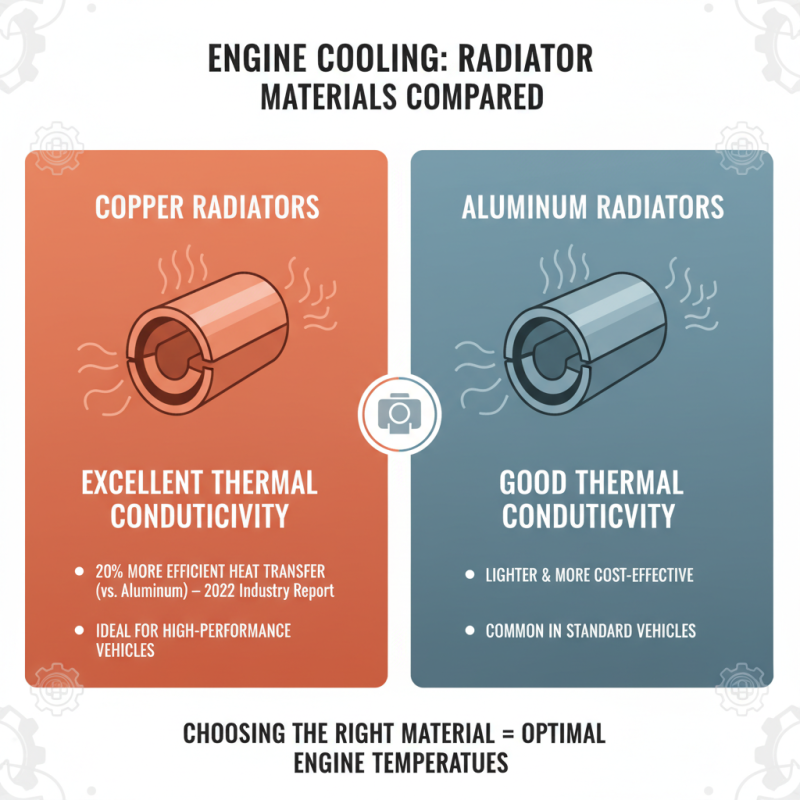
Choosing the right radiator material is crucial for effective engine cooling. Copper is a popular choice due to its excellent thermal conductivity. According to a 2022 industry report, copper radiators can transfer heat 20% more efficiently than aluminum options. This efficiency allows for better cooling, especially in high-performance vehicles.
However, copper radiators come with some considerations. They tend to be heavier than their aluminum counterparts. This added weight can impact overall vehicle performance. Maintenance is another factor. Copper is prone to corrosion, which can diminish its effectiveness over time. Many vehicle owners may overlook regular checks that can lead to costly repairs.
In a report from the Society of Automotive Engineers, it was noted that 30% of engines fail due to inadequate cooling. This statistic emphasizes the importance of choosing the right material for maximum performance. When selecting a copper radiator, consider both performance and long-term maintenance needs. Proper understanding and evaluation can lead to better engine longevity and efficiency, but it requires vigilance and knowledge from vehicle owners.
Key Factors to Consider When Selecting a Copper Engine Radiator
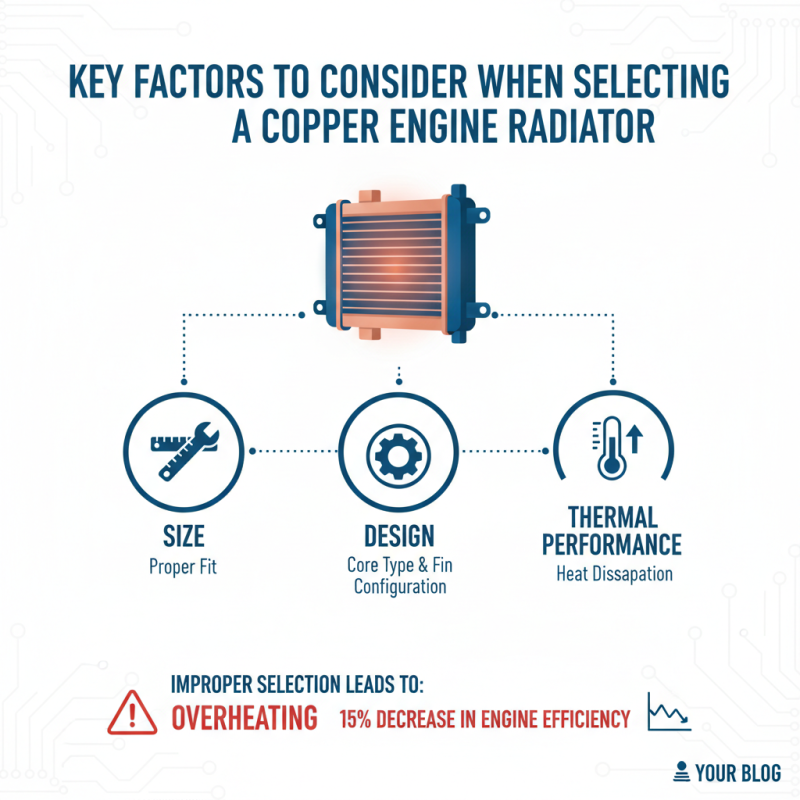
Choosing the right copper engine radiator is essential for maintaining engine performance and efficiency. Key factors to consider include size, design, and thermal performance. A misfit radiator can cause overheating, which may affect your vehicle's longevity. According to industry reports, improper radiator selection can lead to a 15% decrease in engine efficiency.
The size of the radiator must match the engine's cooling requirements. Underestimating your engine's heat output can be detrimental. For example, a high-performance engine may need a larger surface area to dissipate heat effectively. The design also matters. Optimal flow patterns can enhance cooling capacity. It's worth noting that cooling systems work best when all components are in harmony.
Tip: Always check the cooling capacity against your engine's specifications. This can save you from costly repairs.
Moreover, consider the material's quality and thickness. Thicker tubes can contribute to better heat transfer, while poor-quality copper could corrode faster. A common oversight is not accounting for maintenance. Regular checks on the radiator for any blockages or leaks are vital. This can prolong its lifespan and ensure optimal engine temperatures.
Tip: Invest time in cleaning your radiator. Even a small buildup can hinder performance.
Evaluating Size and Compatibility for Your Vehicle’s Cooling System
Choosing the right copper engine radiator requires careful evaluation. Size and compatibility play crucial roles in your vehicle's cooling system. An oversized or undersized radiator can lead to overheating or inefficient cooling. Measure the existing radiator or consult your vehicle’s manual to ensure accuracy.
Tips: Consider the radiator mounting points and hose connections. These details affect compatibility. Check that the new radiator fits snugly without adjustments. Remember that a well-fitted radiator can improve cooling performance.
Style and design also matter. While functionality is key, a radiator should match your vehicle’s aesthetics. Opt for a design that complements the look of your engine bay. Some may focus on shiny finishes, while others prefer a subtle appearance.
Maintenance requirements should not be overlooked. A new radiator should be easy to clean and maintain. Regular maintenance can extend its lifespan. Reflect on how often you are willing to perform these checks. A complicated setup may deter regular care.
How to Choose the Right Copper Engine Radiator for Your Vehicle? - Evaluating Size and Compatibility for Your Vehicle’s Cooling System
| Vehicle Make |
Model |
Year |
Radiator Size (mm) |
Core Thickness (mm) |
Compatibility Notes |
| Toyota |
Camry |
2018 |
620 x 350 |
40 |
Direct fit, standard capacity |
| Ford |
F-150 |
2020 |
640 x 400 |
50 |
Heavy-duty, requires new mounting hardware |
| Chevrolet |
Silverado |
2019 |
720 x 450 |
55 |
Compatible with various engine types |
| Honda |
Civic |
2017 |
600 x 300 |
38 |
Must check for turbo variants |
| Nissan |
Altima |
2021 |
620 x 330 |
45 |
Check for specific engine specifications |
Analyzing Heat Transfer Efficiency: Copper vs. Aluminum Radiators
When choosing a radiator, heat transfer efficiency is key. Copper and aluminum radiators are popular options. Copper has excellent thermal conductivity, allowing for effective heat dissipation. This can lead to better engine performance under stress. In contrast, aluminum is lighter and often cheaper, making it appealing for many vehicle owners. However, it may not transfer heat as efficiently.
Copper radiators often handle high temperatures better. They resist corrosion and have a longer lifespan. On the flip side, they can be heavier and more expensive. The installation process may be more intricate due to the material's density. This can lead to some frustration for DIY enthusiasts.
Choosing between copper and aluminum depends on personal needs. Consider factors like installation ease, weight concerns, and budget. Reflect on your vehicle's cooling requirements as well. An informed decision comes from understanding these nuanced differences. Each material has its strengths and weaknesses. Balancing performance and cost can be challenging.
Cost vs. Performance: How to Budget for a Quality Copper Radiator
When considering a copper engine radiator, cost often weighs heavily against performance. A high-quality copper radiator boasts better heat conductivity and durability. However, the initial investment can be significant. According to industry reports, standard copper radiators range from $200 to $600, while premium models can exceed $1,000. Is the additional cost worth it?
Budgeting for a radiator purchase requires careful planning. If you prioritize performance for racing or extensive driving, investing more upfront can prevent costly repairs later. Keep in mind that a radiator’s efficiency impacts engine longevity. Regular maintenance can also influence your overall expenses.
Tips: Research multiple suppliers to gauge prices. Don't settle for the cheapest option. A slightly higher price might offer better reliability. Consider installation costs as well. Some outlets offer discounts if you purchase related parts together, helping to balance your budget effectively. Your choice now shapes your vehicle’s future performance and efficiency.
Cost vs. Performance: Comparing Copper Engine Radiators