How to Choose the Right Copper Radiator for Your Vehicle?
In the world of vehicle maintenance, choosing the right Copper Radiator is crucial. Automotive expert John Smith states, "A quality radiator can save you from engine overheating issues." This highlights the importance of making an informed decision regarding radiators.
Copper Radiators are known for their durability and efficiency. They effectively dissipate heat, ensuring your engine runs smoothly. However, navigating the options can be daunting. Many vehicle owners overlook important factors. They might choose the cheapest option or the first one they see. This can lead to costly mistakes.
Selecting the right Copper Radiator requires careful consideration. It’s not just about price; functionality and compatibility matter too. Research your vehicle’s specifications. Consult with professionals if necessary. Small miscalculations can result in big problems later on. Take the time to get it right. Your engine's health depends on it.
Understanding the Basics of Copper Radiators in Vehicles
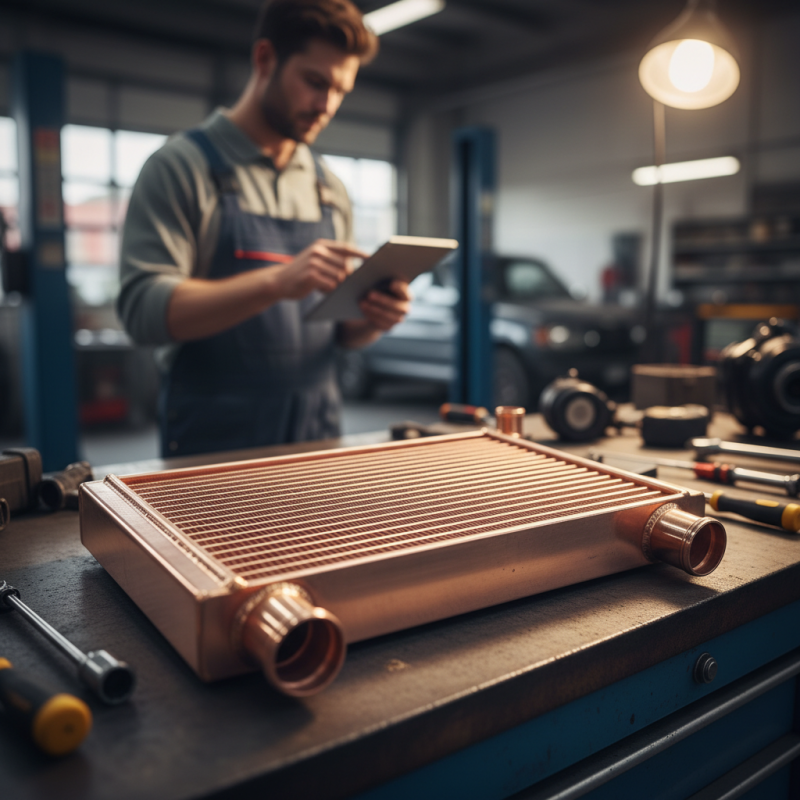
When selecting a copper radiator for your vehicle, understanding the basics is key. Copper radiators have been popular for years due to their excellent heat conductivity. They dissipate heat efficiently, helping to keep your engine cool. A well-functioning radiator can prolong the life of your vehicle. Yet, not all copper radiators are the same. Differences in design, thickness, and fin count can impact performance.
Consider the application of your vehicle. A racing car requires a different setup than a family sedan. The demands on the radiator will vary based on use. Inspecting your current radiator can reveal insights. Look for corrosion or leaks, which can indicate a need for replacement.
Sizing is crucial. Ensure the new radiator fits snugly in the existing space. Oversized or undersized radiators can cause problems. Check for compatibility with your vehicle's cooling system. While many options exist, finding the right one might take time. Don't rush the decision; a hasty choice can lead to regret later. Testing different models can provide valuable feedback. Ultimately, a thoughtful selection enhances performance and reliability.
Key Factors to Consider When Choosing a Copper Radiator
Choosing the right copper radiator for your vehicle can be challenging. Many factors come into play. First, consider the size of the radiator. It must fit perfectly in your vehicle's designated space. An ill-fitting radiator can lead to overheating issues. Measure the dimensions carefully before making a decision.
Another key factor is the cooling capacity. A radiator with a higher capacity can dissipate heat more effectively. This is crucial, especially for high-performance vehicles. Look for a radiator with a good flow rate and multiple core designs. These features enhance cooling efficiency. However, remember that a larger radiator may add weight.
Lastly, evaluate the construction quality. Copper radiators are known for durability, but not all are made equally. Inspect the solder joints and overall craftsmanship. It’s essential to balance quality and cost. Sometimes, the cheaper option can lead to more significant issues later. Make informed choices. Reflect on your vehicle’s needs.
Comparison of Key Factors in Choosing Copper Radiators
This chart represents the importance of different factors when selecting a copper radiator for your vehicle.
Comparing Different Types of Copper Radiators Available
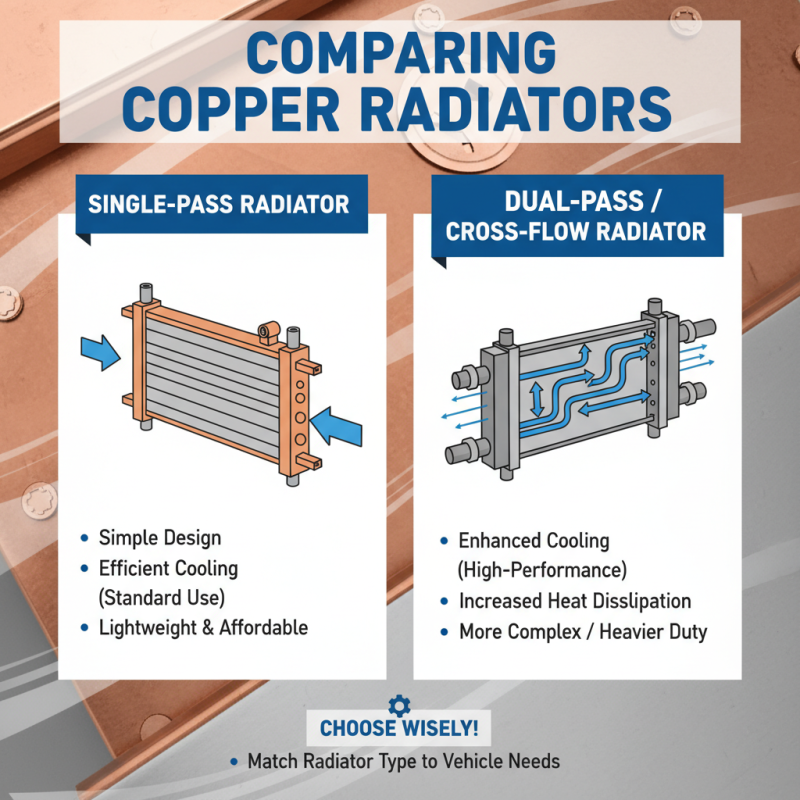
When choosing a copper radiator, understanding the different types available is crucial. Copper radiators come in various designs, each with unique benefits. One common type is the single-pass radiator. It offers simple construction and efficient cooling but may not be suitable for high-performance vehicles. These radiators are lightweight and cost-effective.
Next, there is the double-pass radiator. This design allows coolant to flow twice through the radiator. As a result, it often provides better cooling performance. However, this can lead to a bulkier installation, making space an issue for some vehicles. It is vital to measure the engine bay carefully to avoid fitting problems.
Another option is the multi-pass radiator. This type features multiple channels for coolant flow. It boasts high efficiency and temperature regulation, perfect for extreme conditions. However, the increased complexity may lead to potential maintenance challenges. Regular checks for leaks become essential. Comparing these types helps you make informed choices for your vehicle's cooling system.
Installation Tips for Your New Copper Radiator
Installing a new copper radiator can be daunting, but with patience, it can be manageable. Begin by gathering the necessary tools. Ensure you have a wrench, screwdriver, and pliers. These tools are essential for a smooth installation process.
Before starting, inspect the new radiator. Check for any damage or defects. It's better to address issues now than face problems later.
Next, prepare your vehicle. Drain the coolant from the old radiator carefully. This step can be messy, so have a container ready. Remove the old radiator by loosening the hoses and unbolting it from the chassis. It may need a bit of force to remove. Don't be surprised if it feels stuck. Once removed, clean the mounting area before placing the new radiator.
When positioning the new radiator, ensure it's aligned correctly. Tighten the bolts firmly but avoid overtightening. Reconnect the hoses securely, checking for any cracks. Filling the system with coolant should be done slowly. This helps to eliminate air pockets. It's wise to double-check everything before you start the engine. Small mistakes can lead to significant issues. Be thorough in your approach.