Why Are Compressors Cooler Essential for Efficient Operations?
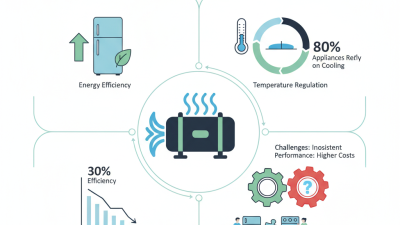
In today's industrial landscape, the efficiency of operations is paramount. A critical component in achieving this is the use of Compressors Cooler systems. According to a recent report from the International Energy Agency, up to 30% of energy consumption in manufacturing can be attributed to compressor systems. This statistic highlights their significant impact on operational costs and energy efficiency.
Inadequate cooling can lead to overheating, increased wear, and premature failure. In fact, studies have shown that proper cooling can extend the lifespan of compressors by 30%. However, many facilities still overlook this essential aspect, resulting in inefficiencies and higher maintenance costs. Operational data from leading manufacturers indicate that even minor improvements in compressor cooling can yield substantial savings, sometimes up to 15% on energy bills.
As industries evolve, the demand for innovative cooling solutions becomes clearer. Compressors Cooler technology is not just an accessory; it is a necessity for maintaining system reliability and operational excellence. Thus, recognizing its importance is crucial for professionals aiming to improve sustainability and performance in industrial settings.
Benefits of Compressors Cooler in Energy Efficiency Standards
Compressors cooler play a vital role in enhancing energy efficiency. These devices manage temperatures effectively, preventing overheating during operations. When a compressor runs too hot, it can lead to a significant loss of performance. This loss often translates to higher energy consumption and increased operational costs.
Employing a compressors cooler helps maintain optimal temperatures. This practice not only enhances longevity but also improves efficiency. Efficient operations reduce energy waste, leading to lower utility bills. Moreover, energy efficiency standards increasingly demand such cooling systems. They ensure compliance, which can influence overall operational success.
However, there can be challenges associated with implementing compressors coolers. Maintenance is crucial, as neglect can lead to inefficiencies. Regular checks on coolant levels and system integrity are needed. Users must invest time and resources to maximize benefits. The balance between cost and efficiency does require contemplation. Yet, the potential for savings makes this a worthwhile consideration.
Impact of Cooler Compressors on Equipment Longevity and Performance
Cooler compressors play a vital role in the efficiency of various operations. Their design helps maintain a lower temperature during operation. This boost in cooling enhances the overall performance of equipment. When compressors run cooler, they experience less wear and tear. As a result, the lifespan of machinery improves. This longevity leads to cost savings over time.
Proper maintenance is key to maximizing the benefits of cooler compressors. Regularly checking refrigerant levels and cleaning filters can prevent overheating. A clean system functions better, reducing energy consumption. Be mindful of unusual noises or vibrations. These could indicate issues that may lead to further complications.
Training staff to understand the importance of equipment temperature management is crucial. They should be equipped with knowledge about optimal operating conditions. Simple adjustments can greatly enhance performance. It’s wise to conduct routine inspections and address minor issues before they escalate. Cultivating a proactive approach ensures reliable operations and extends equipment longevity.
Role of Compressors Coolers in Reducing Operational Downtime
Compressors coolers play a vital role in maintaining system efficiency. When compressors operate under high temperatures, they become less effective. A cooler helps regulate temperature, ensuring optimal performance. This translates to fewer breakdowns and decreased operational downtime.
It's noticeable that excessive heat can lead to significant losses in productivity. When equipment overheats, repairs often take priority over operations. This unexpected downtime can strain resources and affect business continuity.
**Tip:** Regular maintenance of coolers can prevent overheating issues. Check for any obstructions that may hinder airflow.
Moreover, cooler compressors can extend the lifespan of machinery. Equipment running at cooler temperatures typically experiences less wear and tear. This means fewer replacements and repairs over time.
**Tip:** Invest in high-quality cooling systems to ensure reliability. Evaluate system performance periodically to detect any inefficiencies.
Analyzing Energy Consumption Data for Compressor Cooler Systems
Efficient operations in various industries rely heavily on compressor cooler systems. Analyzing energy consumption data reveals critical insights into their performance. According to a recent report by the U.S. Department of Energy, inefficient compressor systems can account for up to 30% of a facility’s total energy usage. This statistic stresses the need for optimized cooling solutions.
Energy data indicates that compressor coolers can enhance performance by reducing operating temperatures. When these systems operate efficiently, they decrease energy costs significantly. For instance, implementing advanced cooling technologies can help reduce energy consumption by up to 20%. However, many facilities still use outdated systems that limit their operational efficiency. These outdated coolers often lead to increased wear and tear on compressors, resulting in higher maintenance costs.
It's essential to regularly evaluate and update cooling systems to ensure they meet current operational demands. Some studies suggest that over 50% of compressor systems do not operate within their optimal energy range. This inefficiency not only raises operational costs but may also lead to production slowdowns. Identifying and addressing these inefficiencies should be a priority for facilities aiming to enhance overall productivity while reducing energy expenses.
Comparative Study: Traditional vs. Modern Compressor Cooler Technologies
In the realm of industrial operations, compressor cooler technologies play a pivotal role. Traditional systems often fall short in efficiency and energy consumption. They require frequent maintenance and may lead to overheating. In contrast, modern solutions integrate advanced materials and designs. These innovations enhance cooling performance, allowing for sustained operations without interruptions.
Tips: Regularly check the efficiency of your compressor coolers. A well-maintained cooler can significantly reduce energy costs. Consider retrofitting older systems with modern components for improved performance.
Consider the environmental impact as well. Traditional coolers can waste considerable energy, contributing to higher greenhouse gas emissions. Modern methods, however, often use eco-friendly refrigerants. These advancements align with sustainable practices, making operations not just efficient but also responsible.
Tips: Evaluate the environmental certifications of your cooling systems. Investing in greener technologies pays off in the long run. Always seek expert advice when upgrading to ensure you choose the best option.
Why Are Compressors Cooler Essential for Efficient Operations?
| Technology Type |
Cooling Efficiency (%) |
Energy Consumption (kWh) |
Cost (USD) |
Lifespan (Years) |
| Traditional Compressor Cooler |
75 |
200 |
1500 |
10 |
| Modern Compressor Cooler (Inverter) |
95 |
150 |
2500 |
15 |
| Modern Compressor Cooler (Variable Speed) |
90 |
175 |
2000 |
12 |