Why is Heat Exchanger Efficiency Important for Your Business?
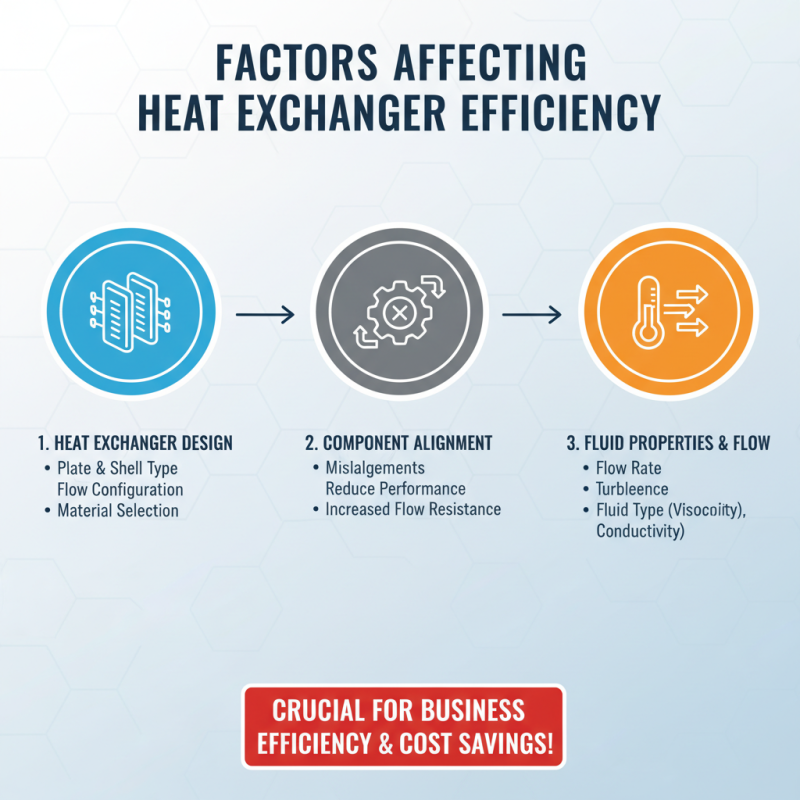
Heat exchanger efficiency plays a vital role in the operational success of many industries. According to a recent report by the International Energy Agency, poor heat exchanger performance can lead to energy losses exceeding 30%. This inefficiency not only impacts the bottom line but also affects sustainability goals. Industry expert Dr. Emily Thompson notes, "Optimizing heat exchanger efficiency can significantly reduce operational costs and environmental impact."
In a world increasingly focused on energy conservation, understanding heat exchanger efficiency is essential. It ensures that systems run smoothly and resources are used wisely. An efficient heat exchanger can reduce emissions and enhance the overall productivity of industrial processes. On the flip side, overlooked inefficiencies may lead to costly maintenance and operational downtime.
Despite the clear benefits, many businesses underestimate the importance of monitoring heat exchanger performance. Regular assessments are crucial to tap into their full potential. Acknowledging this need can empower companies to make informed decisions, ultimately propelling them toward greater operational reliability and sustainability.
Understanding Heat Exchanger Efficiency and Its Definition
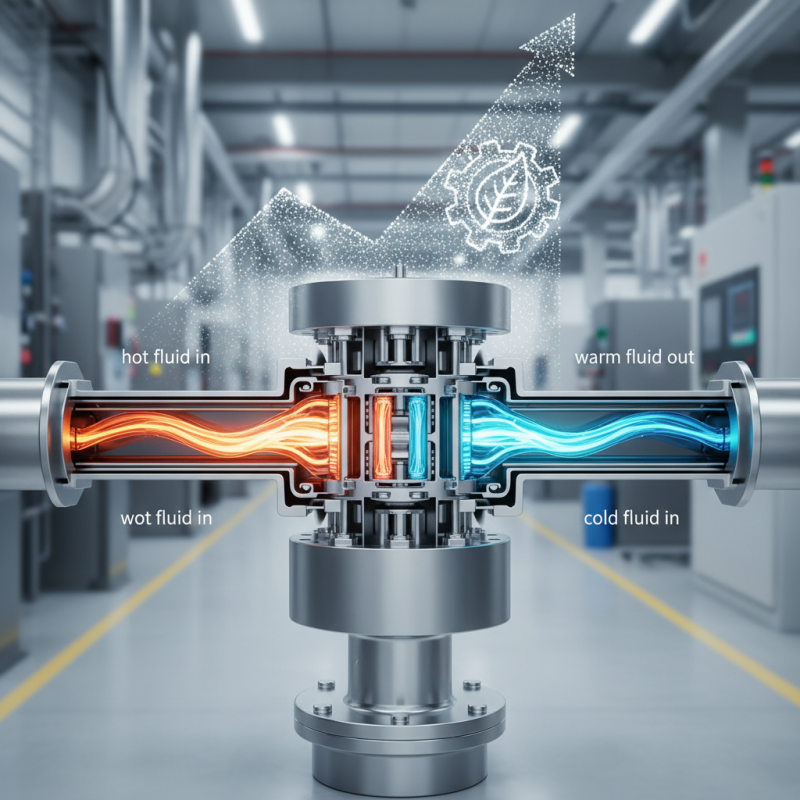
Heat exchangers play a crucial role in various industrial processes. Understanding their efficiency is essential for optimizing system performance. Efficiency is defined as the ratio of useful heat transfer to the total energy input. A higher efficiency means better energy utilization and lower operating costs. According to a report by the U.S. Department of Energy, improving heat exchanger efficiency can save up to 40% of energy in large industrial systems.
In the field of thermal management, efficiency directly impacts production output. For instance, a 10% improvement in heat exchanger efficiency can lead to significant time and cost savings. Additionally, inefficient heat exchangers may also result in increased wear and tear. This can lead to early failures and higher maintenance costs. Some studies indicate that poor maintenance practices can reduce efficiency by up to 30%, significantly affecting overall performance.
Monitoring and optimizing heat exchanger efficiency is not just a technical necessity—it is a strategic business decision. Businesses should prioritize regular assessments, as even minor inefficiencies can cascade into larger operational problems. A continuous improvement framework can help ensure maximum performance, driving both energy savings and operational excellence.
Heat Exchanger Efficiency Analysis
The Role of Heat Exchangers in Industrial Processes
Heat exchangers play a crucial role in industrial processes by transferring heat between two or more fluids. They are essential for maximizing energy efficiency and maintaining optimal temperature control. According to a 2022 report by the International Energy Agency, heat exchangers can improve energy efficiency by over 30% in various applications. This statistic highlights their importance in industrial operations, especially in sectors like oil and gas, power generation, and chemical manufacturing.
Many facilities still face challenges in optimizing heat exchanger performance. Failures or inefficiencies can result in significant energy losses. In fact, up to 20% of a process's energy consumption may stem from ineffective heat transfer. The complexity of designs and maintenance can lead to misconceptions about their reliability. Companies often overlook regular inspections and cleaning, which are vital for maintaining efficiency.
Improving heat exchanger efficiency is not just about technology. It requires a change in mindset. Employees need training to understand the importance of maintenance and troubleshooting. While advancements in design can offer solutions, human error can undermine these efforts. Continuous monitoring and data analysis are necessary to enhance performance. With awareness and proactive measures, businesses can truly harness the full potential of their heat exchangers.
Heat Exchanger Efficiency Metrics
| Metric |
Description |
Typical Value |
Impact on Business |
| Thermal Efficiency |
The ratio of heat transfer to the maximum possible heat transfer. |
70% - 90% |
Higher efficiency leads to reduced energy costs and improved operational performance. |
| Pressure Drop |
The reduction in pressure as fluid flows through the heat exchanger. |
1 - 5 psi |
Lower pressure drop can lead to improved pump efficiency and reduced operational costs. |
| Heat Transfer Coefficient |
A measure of the heat transfer capability of the exchanger. |
100 - 500 W/m²K |
A higher heat transfer coefficient results in a smaller and more cost-effective heat exchanger design. |
| Overall Heat Transfer Rate |
Total amount of heat transferred by the heat exchanger. |
Varies based on application |
Critical for process efficiency and capacity planning. |
| Fouling Factor |
A measure of the build-up of deposits that reduce heat transfer. |
0.0001 - 0.001 m²K/W |
Lower fouling leads to less maintenance and longer operational life. |
How Efficiency Impacts Operating Costs and Energy Consumption
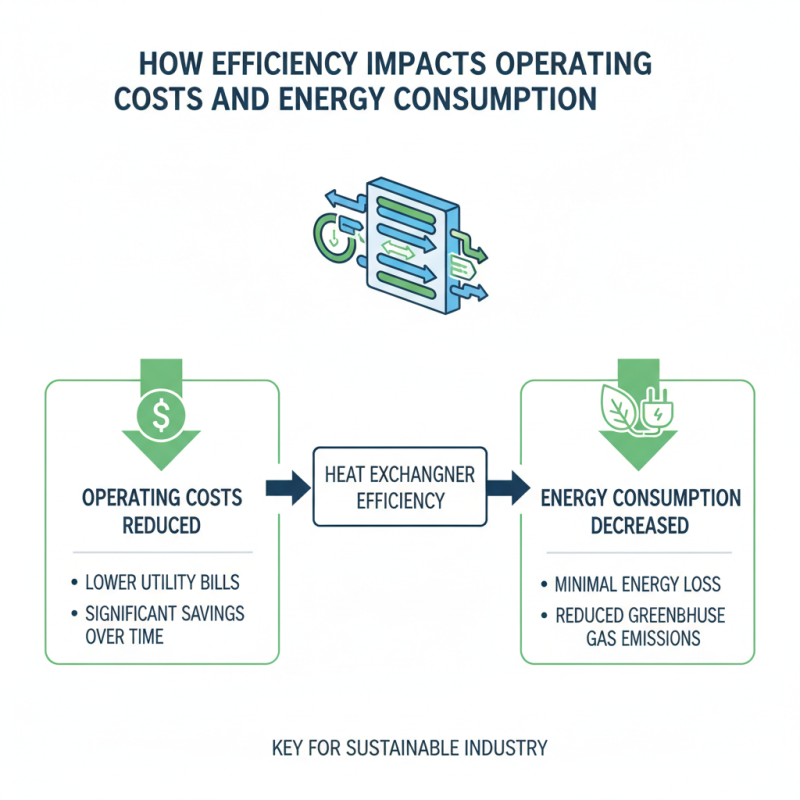
Heat exchanger efficiency plays a crucial role in determining your business's bottom line. Efficiency directly affects operating costs and energy consumption. When heat exchangers operate efficiently, they transfer heat with minimal energy loss. This means lower utility bills and reduced greenhouse gas emissions. An efficient system can lead to significant savings over time, especially for industries that rely heavily on heating and cooling processes.
Inefficiencies can creep in silently. Sometimes, maintenance is overlooked. Fouling on heat exchange surfaces can occur, leading to reduced efficiency. Regular inspections and cleanings are essential to maintain optimal performance. Small changes in operating conditions can also impact energy usage. For instance, variations in fluid flow rates can affect heat transfer efficiency. Understanding these factors is crucial for long-term financial health.
Inadequate attention to heat exchanger efficiency can result in unexpected costs. Poor performance can lead to increased downtime or equipment failure. Businesses need to keep a close eye on the efficiency metrics of their systems. It requires a proactive approach to truly understand the implications of inefficiency. Continuous monitoring and targeted improvements can ensure that heat exchangers do not become hidden liabilities.
Benefits of Improving Heat Exchanger Efficiency for Businesses
Improving heat exchanger efficiency is vital for businesses looking to reduce operational costs and enhance sustainability. According to industry research, inefficient heat exchangers can result in energy losses of up to 30%. This inefficiency leads to higher utility bills, impacting the bottom line. By optimizing these systems, businesses can significantly lower energy consumption and cut costs, allowing for reinvestment into other areas such as innovation and workforce development.
Enhanced heat exchanger efficiency also increases the lifespan of equipment. Regular maintenance and upgrades can prevent wear and tear. A report from the Energy Efficiency and Conservation Authority noted that upgrading to modern heat exchange technologies can improve efficiency by 20-50%. This not only saves money but also reduces downtime. Yet, many companies hesitate, fearing upfront costs. The initial investment should be viewed as a long-term benefit.
Furthermore, better efficiency contributes to environmental goals. Companies are under increasing pressure to minimize their carbon footprint. Data from the International Energy Agency indicates that optimizing heat exchange processes can reduce greenhouse gas emissions significantly. Companies that prioritize sustainability often enjoy improved public perception and customer loyalty. There’s always room for improvement, and assessing current systems can reveal unexpected inefficiencies.