What is a Heat Exchanger Tube and How Does It Work?
Heat exchangers play a crucial role in various industries. They optimize energy efficiency by transferring heat between two fluids. At the heart of this process is the heat exchanger tube. Understanding its function is essential for engineers and technicians alike.
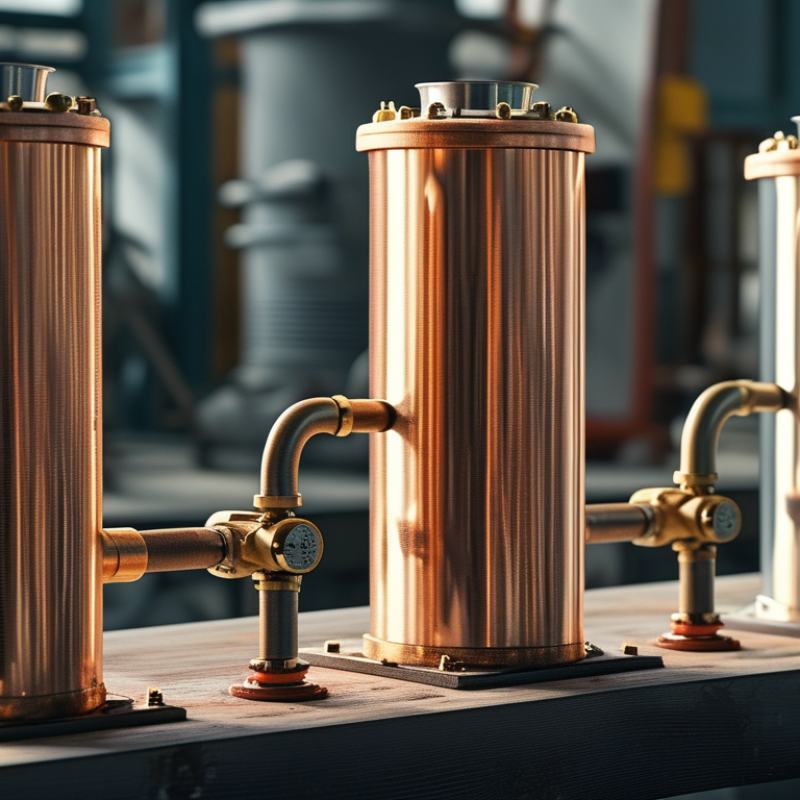
A heat exchanger tube can vary in design and material. It must withstand high temperatures and pressures. Typically, these tubes are made of copper, stainless steel, or aluminum. Each material offers different thermal conductivity and corrosion resistance. The selection significantly impacts performance.
Despite their importance, issues can arise. Tubes may develop leaks or corrosion over time. Regular inspections are vital to ensure reliability. Understanding the design and maintenance of a heat exchanger tube is critical for successful operation. Many challenges can still be overlooked. This highlights the need for ongoing education and training in this field.
What is a Heat Exchanger Tube?
Heat exchanger tubes play a crucial role in thermal management systems. These tubes facilitate the efficient transfer of heat between two or more fluids. Typically, one fluid is heated while the other is cooled, allowing energy transfer and practical temperature regulation. They come in various shapes and sizes, depending on the application. Understanding the specific requirements is vital for effective performance.
The design of heat exchanger tubes is intricate. Their surfaces often feature fins or grooves to enhance heat transfer. The material choice also matters; metals like copper and aluminum are common due to their excellent thermal conductivity. However, using materials not suited for particular environments can lead to issues like corrosion. Heat exchanger tubes must be appropriately maintained to ensure long-term reliability.
In some systems, the flow rate of fluids influences efficiency. Too fast a flow may reduce heat transfer, while too slow a flow can cause overheating. Balancing these factors requires experience and careful analysis. Monitoring systems can aid in identifying performance issues early on. While heat exchanger tubes are essential, they also require constant evaluation to ensure optimal operation in varied conditions.
What is a Heat Exchanger Tube and How Does It Work? - What is a Heat Exchanger Tube?
| Dimension |
Description |
| Type |
Tube, Plate, Shell & Tube, Air-cooled |
| Material |
Copper, Stainless Steel, Aluminum, Carbon Steel |
| Applications |
HVAC, Power Plants, Chemical Processing, Food Industry |
| Heat Transfer Mechanism |
Conduction, Convection |
| Efficiency Rating |
Overall Heat Exchange Efficiency (%): 70-95 |
| Common Challenges |
Fouling, Corrosion, Leakage |
| Maintenance |
Regular Inspections, Cleaning, Replacement of Worn Parts |
Types of Heat Exchanger Tubes and Their Applications
Heat exchanger tubes are vital in many industries. They facilitate heat transfer between fluids. Different types of heat exchanger tubes cater to specific needs. Understanding these types can improve efficiency and performance.
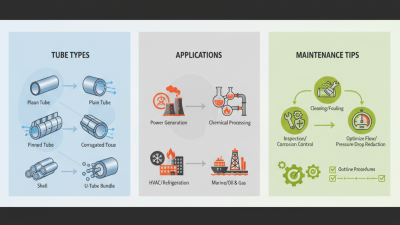
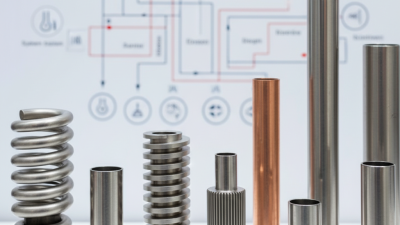
One common type is the straight tube. It is simple and effective. Straight tubes are ideal for low-pressure applications. They are easy to clean and inspect. In contrast, U-tube heat exchangers handle higher pressures. Their design allows for thermal expansion without stress. This makes them suitable for power plants and chemical processes.
Finned tubes are also widely used. They increase the surface area for heat transfer. This efficiency is beneficial in refrigeration and air conditioning systems. While finned tubes are efficient, they can be challenging to clean. This leads to maintenance considerations for operators. Overall, selecting the right tube type is crucial for operational success. Different applications require careful thought and understanding.
Principles of Heat Transfer in Heat Exchanger Tubes
Heat exchanger tubes play a vital role in transferring thermal energy between fluids. Understanding heat transfer principles is essential for optimal design and performance. This involves conduction, convection, and sometimes radiation. The efficiency of heat exchangers relies on maximizing these heat transfer methods.
Conduction occurs through the tube walls, where temperature differences drive the energy transfer. The material of the tubes significantly affects this process. Copper and aluminum often serve well for their excellent thermal conductivity. However, their costs can be a concern in large-scale applications.
Convection is another key element. It describes how heat moves between solid surfaces and moving fluids. The design, such as tube diameter and surface roughness, influences convective heat transfer rates. A smoother surface might seem ideal, but it can reduce turbulence, which is often beneficial. Each aspect of heat transfer needs a careful balance to maintain efficiency.
How Heat Exchanger Tubes Are Manufactured
Heat exchanger tubes play a crucial role in many industries. They transfer heat between two or more fluids. But how are these tubes manufactured? The process requires precision and expertise.
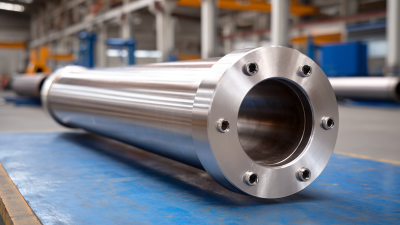
Manufacturing a heat exchanger tube begins with selecting the right materials. Stainless steel or copper is often preferred. The raw materials are cut to specific lengths. Then, they are subjected to processes like drawing and bending. These steps ensure the tube can withstand high pressures and temperatures.
After shaping, the tubes must be tested. Quality control is essential. This includes pressure tests and inspections for any defects. The final product should meet stringent industry standards. Despite advancements, challenges remain. Achieving the right balance between strength and flexibility can be tricky. Each tube must be tailored to its specific application. This emphasizes the need for continuous improvement in manufacturing methods.
Maintenance and Efficiency of Heat Exchanger Tubes
Heat exchanger tubes are crucial components in many industrial systems, transferring heat between fluids. Maintaining these tubes is essential for efficient operation. Regular checks can prevent significant failures. Operators should investigate issues like corrosion, fouling, and leaks. These problems may lead to reduced efficiency and increased operational costs.
Efficiency gains start with routine inspections. Cleaning the tubes regularly helps maintain heat transfer capabilities. Various methods exist, such as chemical cleaning or mechanical brushing. The choice depends on the tube material and the fouling extent. Operators often overlook minor leaks, thinking they are insignificant. However, even small leaks can escalate into major issues if ignored.
Training staff on maintenance practices enhances overall performance. Knowledgeable technicians can identify potential problems early. Investing in proper training creates a skilled workforce. This investment pays off in reduced downtime and maintenance costs. Reflection on past maintenance efforts can lead to improvements. Evaluate what worked and what didn’t. Continuous learning is key to maintaining the efficiency of heat exchanger tubes.