What is a Hydraulic Oil Cooling System and How Does It Work?
Hydraulic Oil Cooling Systems are crucial for maintaining optimal performance in hydraulic machinery. As industry reports suggest, a well-functioning cooling system can enhance equipment efficiency by 30%. John Thompson, a renowned expert in hydraulic engineering, asserts, "The reliability of hydraulic systems heavily depends on the effectiveness of oil cooling."
These systems work by dissipating heat generated during operation. Without proper cooling, hydraulic fluid can exceed its temperature threshold. This can lead to fluid breakdown, reduced lubrication, and ultimately, system failures. The implications of inadequate cooling extend beyond mechanical issues. Downtime from equipment failure costs industries millions each year.
In an era where efficiency is paramount, hydraulic oil cooling remains an overlooked yet essential component. Despite advancements, many systems still face challenges related to maintenance and adaptation. It’s vital for operators to reflect on their cooling mechanisms. Improvements can mean the difference between smooth operations and costly repairs.
What is a Hydraulic Oil Cooling System? Overview and Definitions
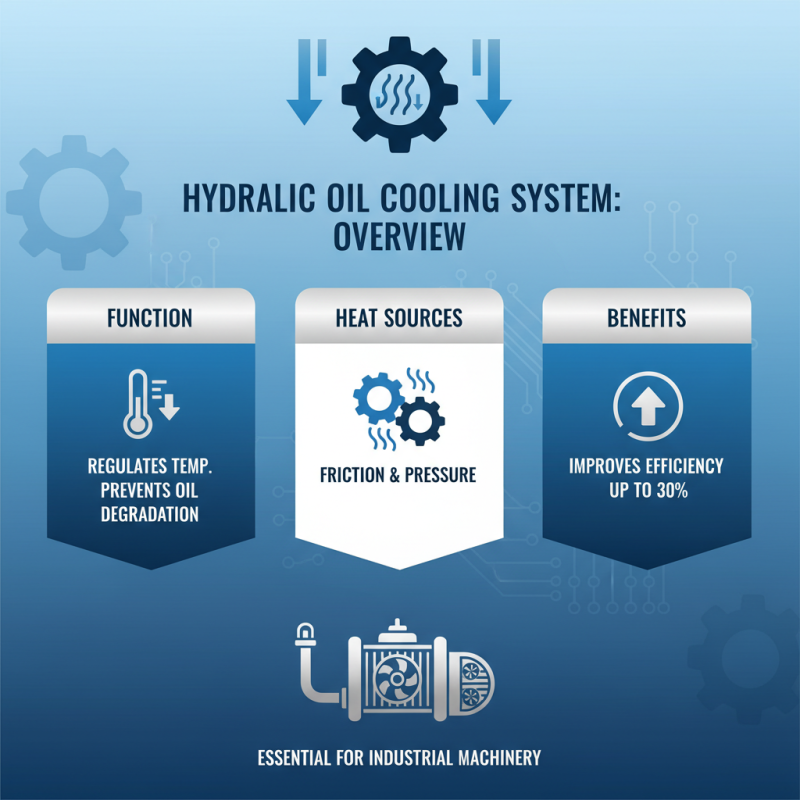
A hydraulic oil cooling system is essential in various industrial applications. Its primary function is to regulate the temperature of hydraulic oil, ensuring efficient operation of hydraulic machinery. When hydraulic systems work, friction and pressure generate heat, which can degrade the oil's properties. According to industry reports, maintaining oil temperature within the optimal range can improve system efficiency by up to 30%.
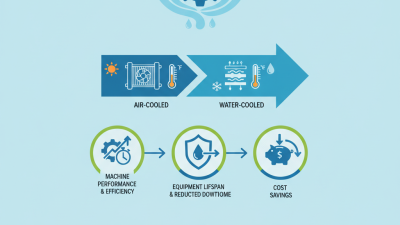
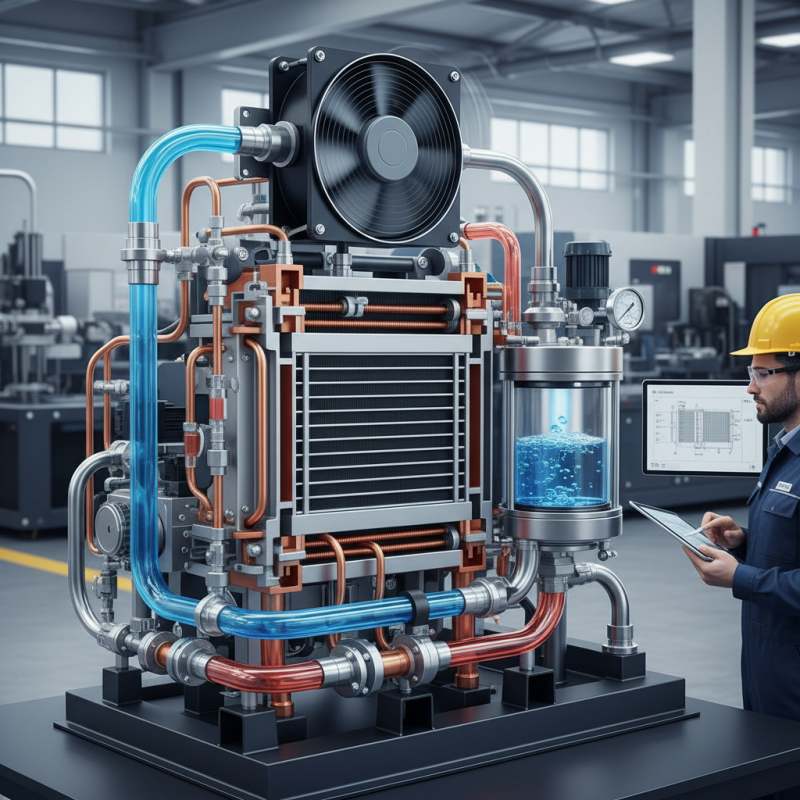
These systems typically employ heat exchangers to dissipate the excess heat. Various designs exist, including air-cooled and water-cooled units. The choice depends on factors such as environmental conditions and available resources. It's estimated that poorly maintained cooling systems can lead to a 15% reduction in equipment lifespan. Regular maintenance and monitoring can help prevent these issues but are often overlooked.
In addition to mechanical aspects, the oil itself plays a crucial role. High-quality hydraulic oils can withstand higher temperatures without breaking down. However, the industry faces challenges with oil contamination and degradation over time. This situation can lead to significant performance problems. Reflecting on these realities, it's clear that a deeper understanding of hydraulic oil cooling systems is vital for operational success.
Key Components of a Hydraulic Oil Cooling System
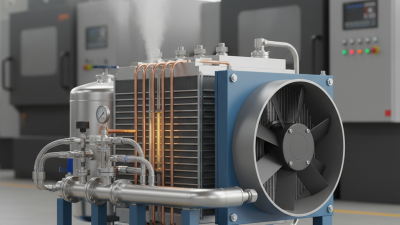
A hydraulic oil cooling system plays a vital role in maintaining optimal performance in hydraulic systems. Its key components work together to dissipate heat generated during operation, ensuring efficient machinery function. One of the most critical elements is the heat exchanger. This device transfers heat from the hydraulic oil to a secondary cooling medium, such as air or water. The effectiveness of this component directly affects the system’s temperature control.
Another important part is the hydraulic oil pump. This pump circulates the oil through the cooling system. It maintains consistent flow rates, which are essential for effective heat removal. According to industry reports, a well-functioning hydraulic oil cooling system can improve energy efficiency by up to 25%. This statistic emphasizes the importance of regular maintenance and inspections.
Tips: Always check for leaks and ensure proper fluid levels. Neglecting minor issues can lead to major problems down the line. Additionally, monitoring the oil temperature can help identify any inefficiencies early. System operators should remain vigilant about potential wear on components to ensure longevity and optimal performance.
Hydraulic Oil Cooling System Performance
The Working Principle of Hydraulic Oil Cooling Systems
A hydraulic oil cooling system plays a crucial role in maintaining optimal temperature levels in hydraulic machinery. These systems ensure the hydraulic fluid remains at a safe operating temperature. Overheating can lead to fluid degradation, reduced efficiency, and potential equipment failure.
The working principle relies on heat exchange. Heated hydraulic oil circulates through a heat exchanger, where it transfers heat to a cooler medium, often air or water. This process reduces the oil temperature before it returns to the hydraulic system. The effectiveness of this cooling is critical. If the system fails, it can lead to significant operational issues.
Gauging the efficiency of a hydraulic oil cooling system isn't straightforward. Variables like ambient temperature, oil flow rate, and heat exchanger design can affect results. Regular maintenance checks are essential yet sometimes overlooked. Operators may not always recognize subtle signs of inefficiency until problems escalate. This emphasizes the necessity of thorough inspections and awareness of how cooling systems function in machinery. Understanding these principles can lead to better preventive measures in hydraulic system management.
Importance of Hydraulic Oil Temperature Control in Industrial Applications
Maintaining the right temperature for hydraulic oil is crucial in industrial settings. Hydraulic systems rely heavily on oil for lubrication and operation. If the oil gets too hot, it can lead to decreased efficiency. Overheating can also cause premature wear of components. Often, operators underestimate the significance of temperature control.
The risk of ignoring hydraulic oil temperature can be severe. High temperatures can create vapor bubbles in the oil, leading to cavitation. Cavitation damages pumps and valves, resulting in costly repairs. It is vital to monitor temperatures regularly. Systems like hydraulic oil coolers help manage heat effectively. However, users sometimes overlook the maintenance of these cooling systems.
Inadequate cooling can have lasting impacts. If an operation fails to address heat issues, performance drops. This can lead to unexpected downtime. Additionally, staff may not be trained to recognize signs of overheating. Training and awareness are essential for efficient hydraulic system operation. Ultimately, temperature control should be a priority for anyone managing industrial hydraulic applications.
What is a Hydraulic Oil Cooling System and How Does It Work?
| Dimension |
Description |
Value |
| Cooling Method |
Type of cooling used in the system |
Air-cooled / Water-cooled |
| Operating Temperature Range |
Optimal temperature for hydraulic oil |
30°C - 60°C |
| Heat Exchanger Type |
Type of heat exchanger used |
Plate / Shell & Tube |
| Flow Rate |
Circulation flow rate of oil |
100 L/min |
| Cooling Capacity |
Amount of heat removed per hour |
50 kW |
| Fluid Type |
Type of hydraulic fluid used |
ISO 46 Hydraulic Oil |
Benefits of Using Hydraulic Oil Cooling Systems in Various Industries
Hydraulic oil cooling systems play a critical role across various industries. They help maintain optimal operating temperatures in hydraulic machinery. Elevated temperatures can lead to reduced efficiency and increased wear. By effectively cooling hydraulic oil, these systems extend the life of equipment and reduce maintenance costs.
In manufacturing and construction sectors, the use of hydraulic systems is extensive. Equipment like excavators and forklifts operate on hydraulic power. When these systems run hot, performance deteriorates. Implementing oil cooling systems can mitigate overheating issues, ensuring smoother operation. Moreover, cooling systems can enhance safety by reducing the risk of equipment failure.
In the automotive industry, hydraulic oil cooling is equally vital. Hydraulic brakes and steering systems depend on temperature control. Overheating can lead to brake fade or steering malfunctions. By maintaining lower temperatures, hydraulic cooling systems contribute to safer driving experiences. It’s essential for industries to continuously evaluate the efficiency of cooling systems. Regular maintenance checks can reveal whether improvements are necessary for peak performance.