Leave Your Message

Radiator Optimization Tips for Maximum Heating Efficiency?

Radiator Optimization is essential for enhancing heating efficiency in any space. Many homeowners overlook this aspect. They often assume that simply turning up the thermostat is enough. However, the efficiency of your radiator can significantly impact your energy bills and comfort levels.

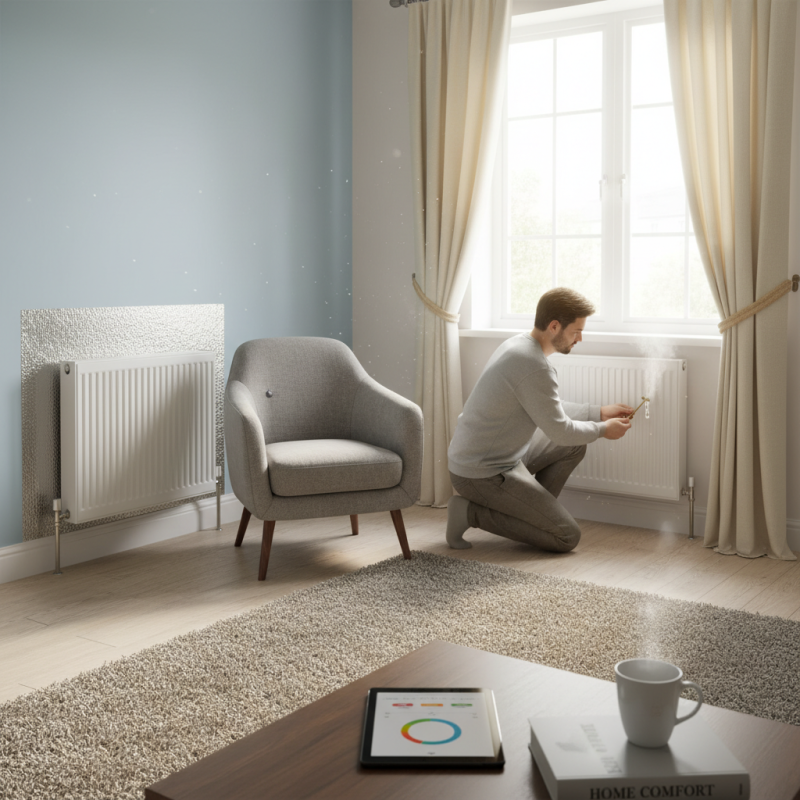
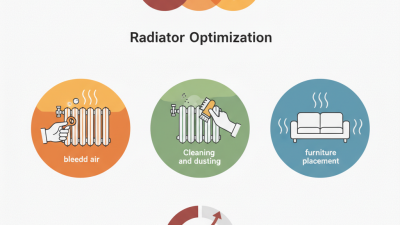
To achieve maximum heating efficiency, consider several practical tips. For instance, ensure that radiators are bled regularly. Trapped air can hinder their performance. Additionally, furniture placement is crucial. Avoid blocking radiators with couches or curtains. Small adjustments can make a big difference. Consider using reflective panels behind your radiators to direct heat into the room.

Remember that each space is unique. What works for one room might not work for another. Take time to evaluate your heating system. Experiment with different strategies to discover what leads to improved warmth. Radiator Optimization takes patience and effort, but the results will be rewarding.
Radiator Optimization Tips for Maximum Heating Efficiency?

Understanding Radiator Types and Their Heating Efficiency Metrics

Radiator Optimization Tips for Maximum Heating Efficiency?

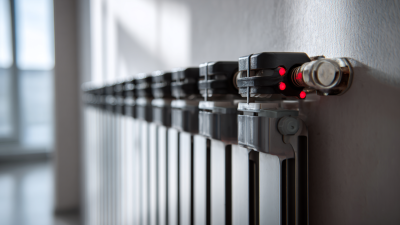
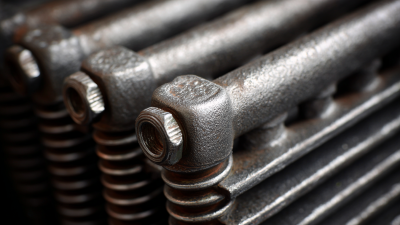
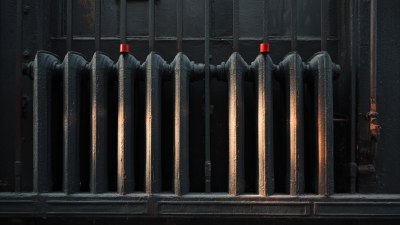
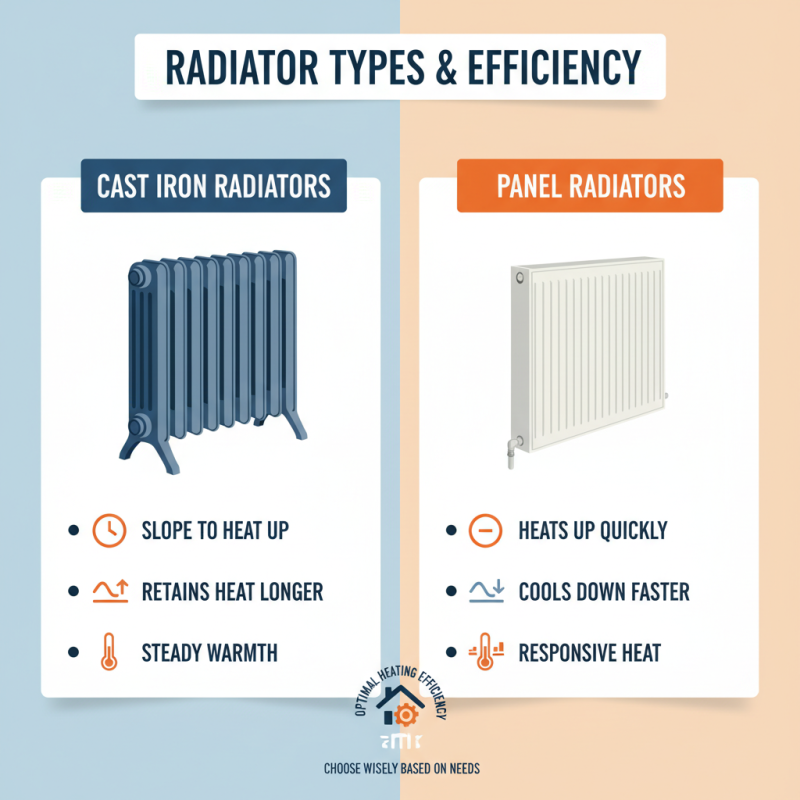
Understanding the various radiator types is crucial for achieving optimal heating efficiency. There are several common types of radiators, each with unique heating characteristics. For example, cast iron radiators retain heat longer, providing a steady warmth. However, they can take time to heat up initially. In contrast, panel radiators heat up quickly, but may not hold the warmth as long.

When considering heating efficiency metrics, it’s important to evaluate the BTU output of each radiator. BTU, or British Thermal Unit, measures the heat output. Higher BTU ratings indicate a more effective radiator, but also consider room size. A radiator too large for a space may lead to overheating and energy waste.

Another aspect to reflect on is the placement of radiators. Ideal positioning allows for better airflow and heat distribution. If a radiator is blocked by furniture, its efficiency decreases significantly. Regular maintenance is also essential. Dust and debris can accumulate, negatively impacting performance. In this context, small changes could lead to noticeable improvements.
Key Factors Influencing Radiator Heat Transfer and Energy Loss

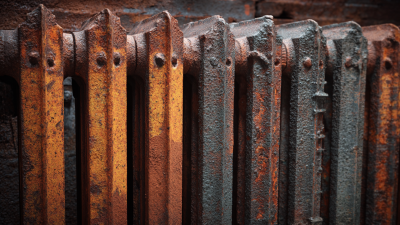
Radiators play a crucial role in heating efficiency. Understanding key factors influencing heat transfer can make a difference. One significant factor is the design and material of the radiator itself. Better materials enhance heat conduction, while specific shapes promote heat distribution. This means that an old, rusting radiator may simply not perform well.

Another crucial element is air flow. A radiator surrounded by furniture or blocked by dust cannot operate efficiently. Ensure proper clearance around the unit. Regular cleaning also helps maintain optimal performance. Neglecting dust buildup can lead to energy loss, resulting in higher heating bills.

Control settings matter too. Overheating can lead to wasted energy. Setting the thermostat lower during non-peak hours could save energy. Some people forget to adjust settings. Every degree counts. Additionally, insulation plays a vital role. Poorly insulated areas lead to heat loss. If one area loses heat, the whole system struggles to compensate. Simple fixes like weather stripping can significantly improve efficiency.

Optimizing Radiator Placement for Improved Room Temperature Distribution

The placement of radiators plays a crucial role in heating efficiency. Consider the layout of your rooms. A radiator positioned under a window may seem ideal, but it can lose heat to cold drafts. Instead, placing it on an interior wall can prevent this issue. This simple change can create a more comfortable environment.

Another factor to consider is the height at which radiators are installed. Mounting a radiator too low can hinder heat distribution. Aim for a height that allows warm air to circulate freely throughout the room. In larger spaces, think about installing multiple radiators. This could help achieve better temperature balance, keeping every corner warm.

Reflect on the obstacles near your radiators. Furniture or curtains can block airflow, reducing overall efficiency. Regularly check for dust and debris as well. Simple actions like arranging furniture differently or cleaning can make a significant difference. The goal is a comfortable, evenly heated room, even if it takes some trial and error.

Effective Maintenance Practices to Enhance Radiator Performance

Radiator Optimization Tips for Maximum Heating Efficiency?

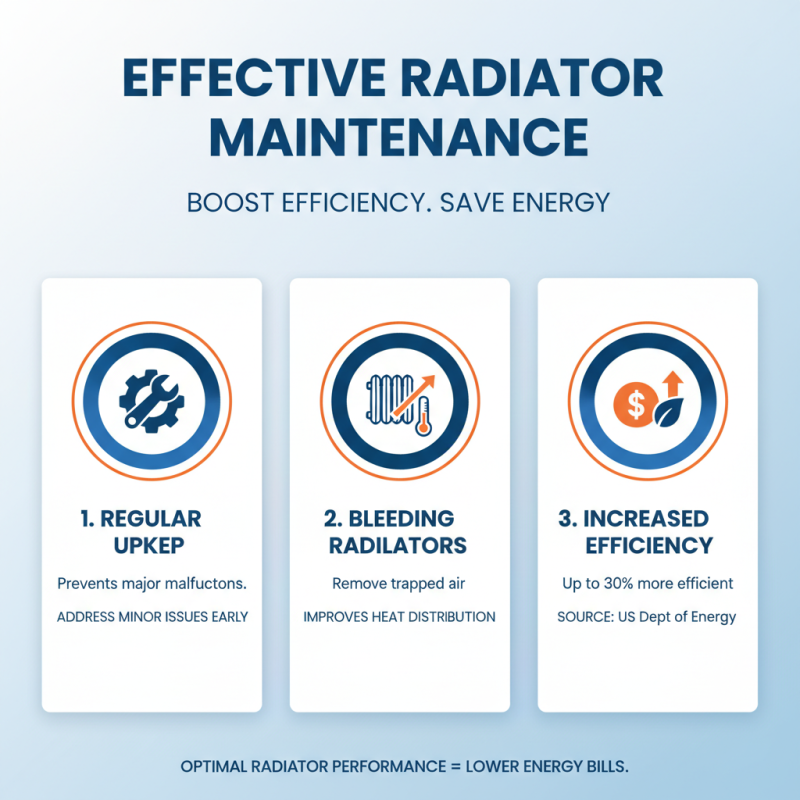
To maintain optimal radiator performance, regular maintenance is key. According to the U.S. Department of Energy, poorly maintained heating systems can lose up to 30% of their efficiency. Addressing minor issues early can prevent major malfunctions later. Bleed your radiators to remove trapped air, enhancing heat distribution. This simple act can significantly improve heating efficiency.

Proper insulation plays a critical role as well. Insulating pipes and valves helps keep heat from escaping, leading to more efficient heating. A study from the Energy Saving Trust notes that uninsulated pipes can lose about 20% of heat. Inspect your home’s insulation and repair any gaps. This could make a noticeable difference in your comfort and energy bills.

Another tip is to regularly check the thermostat settings. Some homeowners overlook this crucial aspect. An incorrect setting can lead to wasted energy. Aim for a consistent temperature to avoid unnecessary fluctuations. Additionally, ensure your radiators are free from dust and furniture blockage. Small steps can lead to better performance and potentially prolong the lifespan of your heating system.

Smart Thermostat Integration with Radiators for Energy Savings

Integrating smart thermostats with radiators can significantly enhance energy savings. According to a report from the U.S. Department of Energy, using smart thermostats can save up to 10-15% on heating costs annually. These devices learn your heating patterns and adjust accordingly, often leading to less energy waste.

Radiators often operate inefficiently without smart controls. Manual adjustments may leave rooms too hot or too cold. Smart thermostats enable precise temperature control. For example, you can set a schedule for different times of the day, ensuring the heating is on only when needed.

Though the initial setup may require investment, the long-term savings can outweigh the costs. A study from the Energy Saving Trust indicates that households using smart thermostats can recoup their investment in about three years. Yet, many still hesitate, unsure of the technology. Understanding the benefits may prompt more users to make the leap.