How to Ensure Radiator Quality Control in 2026?
In 2026, Radiator Quality Control will be crucial for manufacturers. With increasing consumer expectations, ensuring top performance is essential. Faulty radiators can lead to significant issues, such as engine overheating. This impacts customer trust and brand reputation.
Manufacturers need effective strategies for radiator quality control. Implementing precise inspection methods can detect flaws early. However, many companies struggle with inconsistent standards. This inconsistency can result from a lack of training and outdated equipment. Addressing these gaps is vital for maintaining high quality.
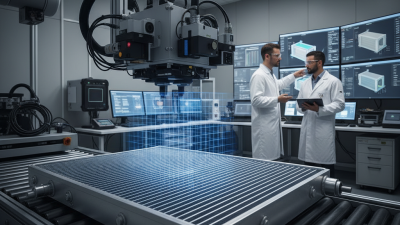
Moreover, new technologies can streamline quality control processes. Automated systems can identify defects more accurately than human eyes. Yet, some manufacturers resist these changes. They may fear upfront investment costs or the complexity of new systems. Embracing innovation is necessary to meet the demands of the market. Quality control must evolve as challenges arise, ensuring that radiators perform reliably in every vehicle.

Best Practices for Radiator Manufacturing Quality Control in 2026
In 2026, ensuring radiator quality control is crucial. The market is projected to grow to $15 billion by 2026, according to industry reports. Competitors are focusing on innovative production methods. To stay competitive, manufacturers must adopt best practices in quality control.
First, implementing rigorous testing protocols is essential. Regular inspections can identify defects early. A recent study showed that 30% of radiators fail initial quality checks. This impacts overall production efficiency. Employing advanced diagnostic tools during manufacturing can reduce these failures. Precision in measurement is key.
Another area to improve is employee training. Continuous education in quality standards boosts skill levels. An investment in training can yield a 20% increase in product integrity. However, many facilities still overlook this aspect. Regular feedback loops between teams can foster a culture of quality. It's vital to learn from mistakes and adjust processes accordingly.
Radiator Manufacturing Quality Control Metrics - 2026
Key Metrics for Evaluating Radiator Performance and Durability Standards
When ensuring radiator quality control in 2026, key metrics become vital. Performance benchmarks include thermal efficiency, which measures how effectively heat is transferred. A radiator should heat a room quickly, without excessive energy use. Durability standards must focus on materials. The choice of metal affects longevity. Corrosion resistance is a must to prevent leaks over time.
Investing in testing methods is also crucial. Rigorous assessments should evaluate performance under various conditions. This includes testing at extreme temperatures. Results can vary, leading to questions about a radiator's reliability. It’s essential to ensure repeatability in tests. Are you getting consistent results?
Feedback from users can provide insights. Real-world performance might differ from lab results. Understanding this gap is vital for improvements. Regular adjustments to manufacturing processes may be necessary. Recognizing flaws in the design is part of the journey. Quality control is an ongoing challenge, requiring constant attention and adaptation.
How to Ensure Radiator Quality Control in 2026?
| Metric |
Standard Value |
Measured Value |
Compliance Status |
| Heat Transfer Efficiency |
90%+ |
92% |
Compliant |
| Corrosion Resistance |
5 years |
6 years |
Compliant |
| Pressure Rating |
15 PSI |
14.5 PSI |
Non-compliant |
| Thermal Fatigue Life |
5000 cycles |
5200 cycles |
Compliant |
| Warranty Period |
2 years |
3 years |
Compliant |
Utilizing Advanced Technologies for Enhanced Quality Assurance in Radiators
As the radiator industry evolves, advanced technologies are becoming essential for quality assurance. Digital sensors can monitor temperature and pressure in real-time, ensuring optimal performance. These tools help identify potential weaknesses early in the production process. However, integrating such technologies requires careful planning and staff training.
Data analytics can play a critical role in quality control. By analyzing data from production cycles, manufacturers can pinpoint recurring issues. This insight can lead to improved processes. Yet, many companies still struggle to adapt to this data-driven approach. They may lack the necessary tools or expertise.
It's vital to not overlook human oversight. Automated systems can miss subtle defects that a trained eye would catch. Regular inspections and employee training are crucial. Striking a balance between technology and human touch may take time, but it can lead to better products in the long run. The challenge lies in effectively combining these elements for an enhanced quality assurance strategy.
Regulatory Compliance and Industry Standards Impacting Radiator Quality
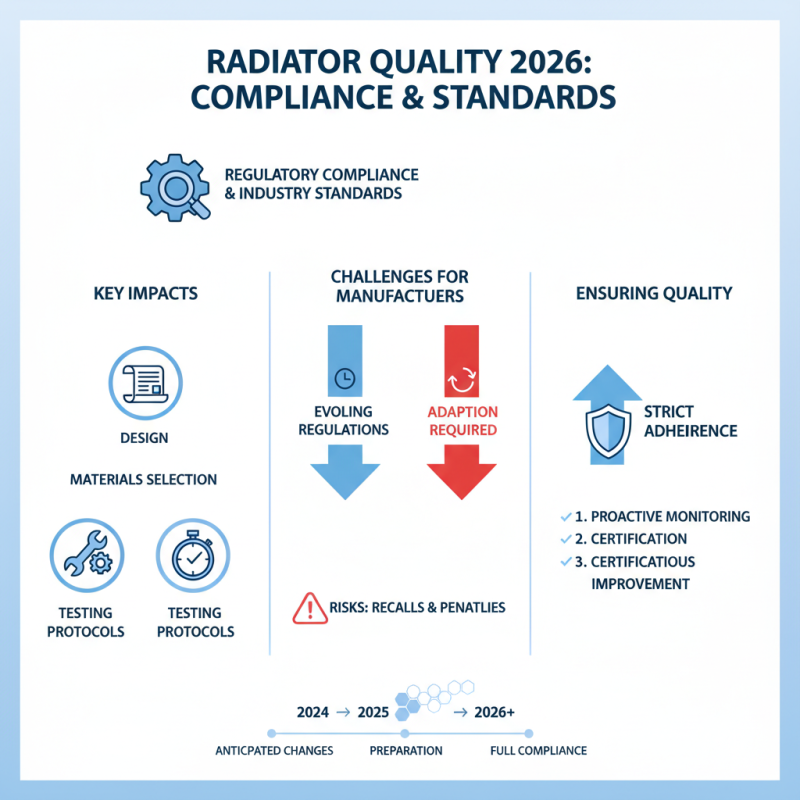
Ensuring radiator quality control in 2026 requires strict regulatory compliance. Various standards shape the industry. They affect design, materials, and testing. Regulations often change, prompting manufacturers to adapt quickly. Stagnation in compliance can lead to costly recalls or penalties.
In recent years, environmental regulations have also gained prominence. Eco-friendly materials are increasingly important. Meeting these standards may elevate production costs. However, this investment can enhance market appeal. Many companies struggle to balance cost, quality, and compliance.
Quality control processes must also evolve. Implementing advanced technologies can streamline inspections. However, reliance on automation might overlook human errors. Regular audits are crucial, yet some firms neglect them. Continuous training for staff is vital to maintain high standards. Reflecting on processes can reveal areas for improvement. Investing time in quality management pays off in the long run.
Continuous Improvement Strategies for Radiator Production and Testing
Quality control in radiator production is critical. To ensure high standards, manufacturers must adopt continuous improvement strategies. Regular training programs for staff can enhance skills. Engaging employees in quality discussions fosters ownership and accountability. Moreover, real-time feedback from the production line can highlight flaws early.
Testing methodologies should also evolve with technology. Implementing advanced testing equipment can provide more accurate results. However, reliance on machines alone may overlook human insight. A combination of manual and automated testing could bridge this gap. Data from tests must be carefully analyzed to identify patterns. This can lead to better production processes.
Reflecting on past mistakes is essential. Learn from previous quality failures to avoid repeating them. Establishing a culture that encourages feedback can help identify potential issues. By prioritizing these continuous improvement strategies, radiator manufacturers can ensure quality control in 2026 and beyond.