Top Techniques for Radiator Optimization to Improve Heating Efficiency?
Optimizing your radiator is essential for improving heating efficiency. Many homeowners overlook this crucial aspect, leading to unnecessary energy consumption. Radiator optimization can enhance comfort while reducing utility bills. Understanding the principles behind this process is key to achieving optimal results.
Radiators work by distributing heat, but they can become inefficient over time. Dust and debris accumulation can hinder performance. Additionally, incorrect placement or sizing may result in uneven heating. Addressing these factors is vital for effective radiator optimization. Regular maintenance checks are also beneficial.
Incorporating expert techniques can dramatically elevate radiator performance. Simple adjustments, like bleeding radiators, can make a significant difference. Implementing insulation strategies reduces heat loss as well. By focusing on radiator optimization, your space will remain cozy and energy-efficient during colder months. The pursuit of efficiency requires ongoing attention and small changes for better results.
Top Techniques for Radiator Optimization to Improve Heating Efficiency
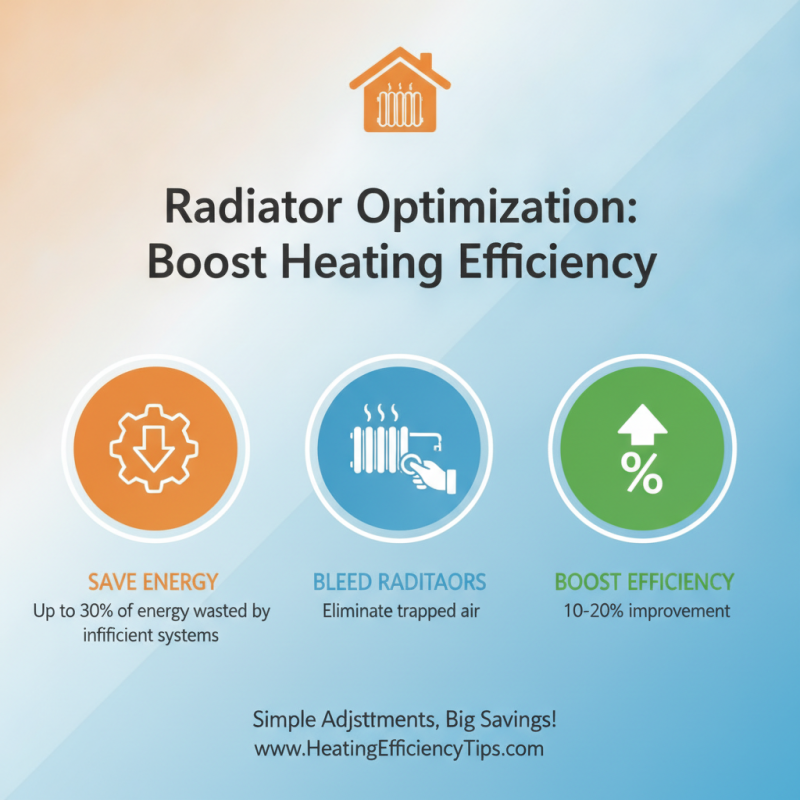
Radiator optimization is essential for enhancing heating efficiency in residential and commercial spaces. Studies reveal that up to 30% of a building's energy can be wasted through inefficient heating systems. Simple adjustments can significantly reduce these losses. For instance, bleeding radiators regularly eliminates trapped air and improves heat distribution. This practice alone can boost heating efficiency by 10-20%.
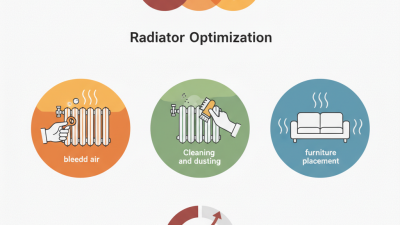
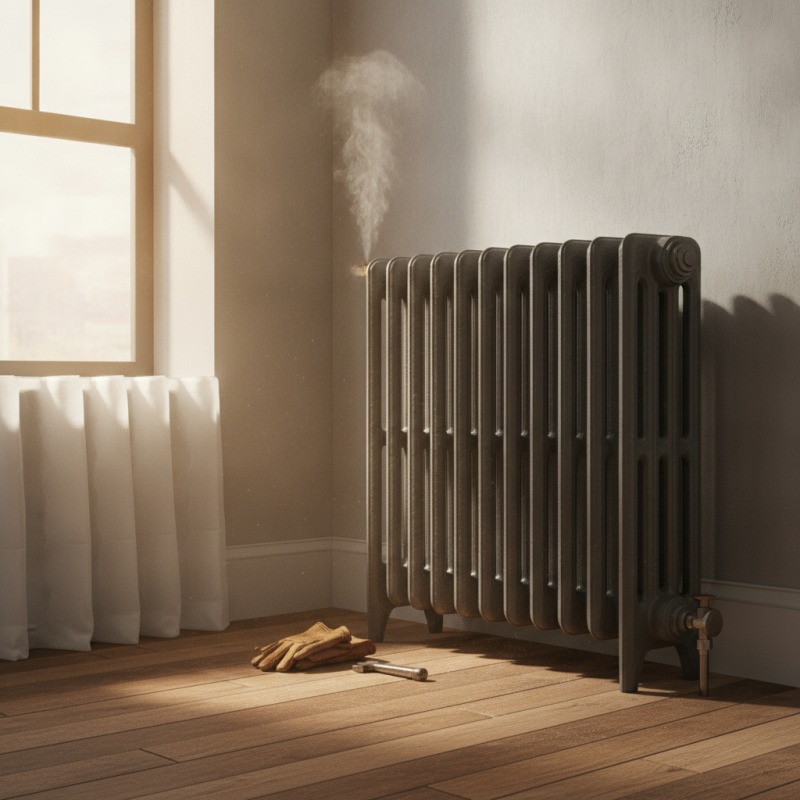
Another technique involves adjusting the radiator temperature. According to the Energy Saving Trust, lowering the thermostat by just 1°C can cut energy bills by roughly 10%. It is often overlooked, yet the positioning of furniture around radiators matters as well. Ensure that curtains or furniture do not obstruct airflow. This can maximize heat output and comfort levels.
Maintaining a clean radiator is also crucial. Dust and grime build-up can reduce performance, causing uneven heating. A regular cleaning schedule can help maintain optimal functionality. However, some homeowners may neglect this basic upkeep, leading to poor performance and higher energy costs in the long run. A thoughtful approach to these simple techniques can reveal areas for further improvement and awareness in heating practices.
Understanding Radiator Functionality and Its Role in Heating Systems
Understanding radiator functionality is crucial for improving heating efficiency in homes. Radiators transfer heat from hot water or steam to the air in a room. This process relies on a well-distributed flow of heat throughout the entire radiator surface. If a radiator is not functioning properly, its efficiency drops significantly. Many homeowners underestimate how a small issue, like air trapped within the system, can drastically affect overall performance.
Regular maintenance is essential for optimal radiator functionality. Bleeding radiators to release trapped air can enhance heat distribution. A dusty radiator can also diminish heat output. Cleaning the surface allows for better heat transfer. Moreover, ensuring radiators are not blocked by furniture or drapes is vital. Even small obstacles can impair heating efficiency. Adjusting the thermostat can help balance temperatures, but reliance on technology alone won’t resolve mechanical issues.
Radiators are often overlooked until problems arise. When a space feels colder, it is easy to blame the system as a whole. However, focusing on individual components might reveal simple fixes. Understanding how each part works together is fundamental. Without this knowledge, inefficiency will persist, leading to wasted energy and increased heating costs. Reflecting on these aspects can ultimately aid in achieving a more comfortable and efficient living environment.
The Importance of Proper Radiator Sizing for Optimal Heat Distribution
Proper radiator sizing is crucial for ensuring optimal heat distribution in any space. When radiators are too small, they struggle to heat the room effectively. This can create cold spots and lead to discomfort. Conversely, oversizing can waste energy, resulting in higher heating costs and unnecessary wear on the system.
To achieve the best results, homeowners should calculate their room's heat loss accurately. Factors like insulation, window sizes, and room dimensions play significant roles. A well-sized radiator can distribute heat evenly. It takes time to make these assessments, and reflection on past mistakes can lead to better choices.
Using the incorrect-sized radiator often leads to frustration. Homeowners might find themselves adjusting thermostats constantly or feeling uneven warmth. Investing time in proper calculations can save energy and enhance comfort. In the long run, paying attention to sizing is worthwhile. It acts as the backbone of any efficient heating system, promoting a cozy living environment.
Top Techniques for Radiator Optimization to Improve Heating Efficiency
| Technique |
Description |
Efficiency Improvement (%) |
Recommended Radiator Size (BTU/hr) |
| Bleeding Radiators |
Remove trapped air to enhance circulation |
10-15% |
500-750 |
| Proper Insulation |
Use insulation on pipes to minimize heat loss |
5-10% |
Varies by room size |
| Radiator Valves |
Install TRVs for room-specific control |
15-20% |
600-900 |
| Reflective Panels |
Install behind radiators to reflect heat |
8-12% |
500-800 |
| Regular Maintenance |
Routine checks for optimal performance |
5-20% |
Varies by radiator model |
Advanced Controls and Smart Thermostats for Precision Heating Management
Advanced controls and smart thermostats play a significant role in enhancing heating efficiency. These technologies enable homeowners to manage their heating systems with precision. By utilizing sensors and programmable settings, users can adjust the temperature based on their schedules. The results can be impressive. Savings on energy bills can reach up to 30% when systems run only when needed.
Smart thermostats learn user behavior over time. They create heating profiles tailored to individual preferences. This adaptability ensures comfort while minimizing energy waste. However, reliance on technology can lead to challenges. Some may forget to adjust settings as their lifestyles change. Regularly reviewing these preferences is essential for continued efficiency.
Installation of these advanced controls is straightforward but requires some expertise. Incorrect setup could lead to performance issues. Users should consider professional installation or consult detailed guides. Many overlook this crucial step, leading to frustration down the line. Embracing innovation can enhance heating management substantially, but reflection on these factors remains vital for optimal results.
Conclusion
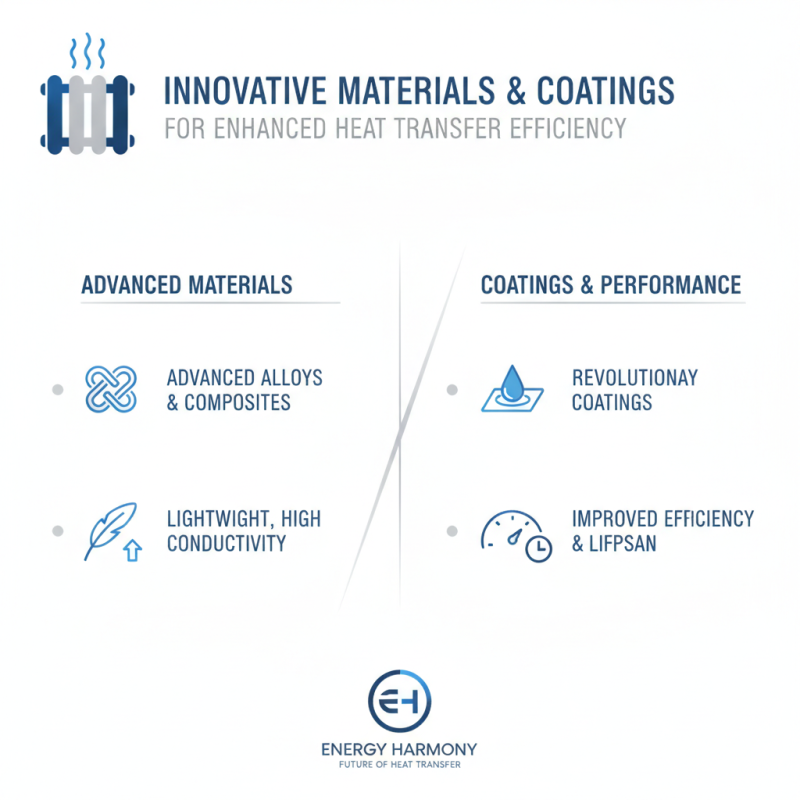
Radiator Optimization is essential for enhancing heating efficiency in residential and commercial spaces. Understanding how radiators function and their critical role in heating systems lays the groundwork for effective optimization strategies. Proper sizing of radiators ensures optimal heat distribution throughout a room, preventing hot and cold spots, while innovative materials and coatings can significantly improve heat transfer efficiency.
Incorporating advanced controls and smart thermostats allows for precision heating management, adapting heating levels based on real-time needs. Additionally, regular maintenance practices are vital for maximizing radiator performance and extending lifespan, ensuring that systems operate at their best. By applying these techniques, one can achieve significant improvements in heating efficiency and overall comfort.