Top Tips for Choosing the Right Hydraulic Oil Cooling System?
Choosing the right Hydraulic Oil Cooling System is crucial for optimized machine performance and longevity. According to Dr. Emily Carter, a recognized expert in fluid dynamics, "The efficiency of hydraulic systems greatly depends on proper temperature management." This highlights the connection between cooling systems and overall hydraulic efficiency.
Selecting the right system can seem overwhelming. Different applications require different cooling solutions. Factors like flow rate, environment, and hydraulic fluid type all play a role. A mismatch can lead to inefficiency or even system failure. It's important to consider every detail carefully.
Many decision-makers overlook temperature variations during various operational phases. The ideal Hydraulic Oil Cooling System should adapt to these changes. It’s worth reflecting on the specific needs of your operation. Prioritize reliability and performance in your selection process. With careful evaluation, you can enhance both efficiency and lifespan of your hydraulic systems.
Understanding Hydraulic Oil Cooling Systems: An Overview
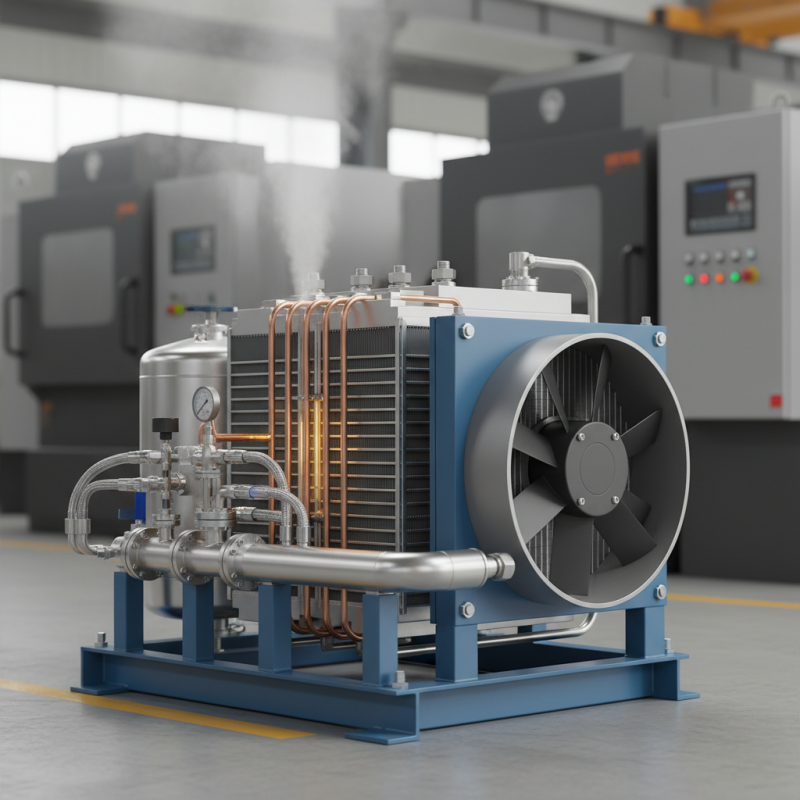
Hydraulic oil cooling systems play a crucial role in maintaining the efficiency and longevity of hydraulic machinery. These systems work by dissipating heat generated during operation. Heat can lead to oil degradation and equipment failure. Understanding how these systems function is essential for selecting the right one.
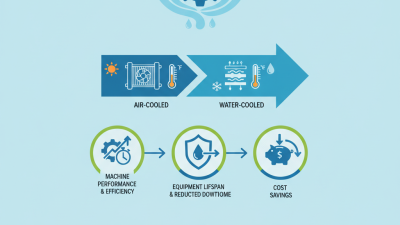
There are various types of hydraulic oil cooling systems. Air-cooled systems are simpler and cheaper. They rely on ambient air to cool oil. However, they may not be effective in high-temperature environments. Water-cooled systems use water to transfer heat away from the oil. They are often more efficient but require a reliable water source.
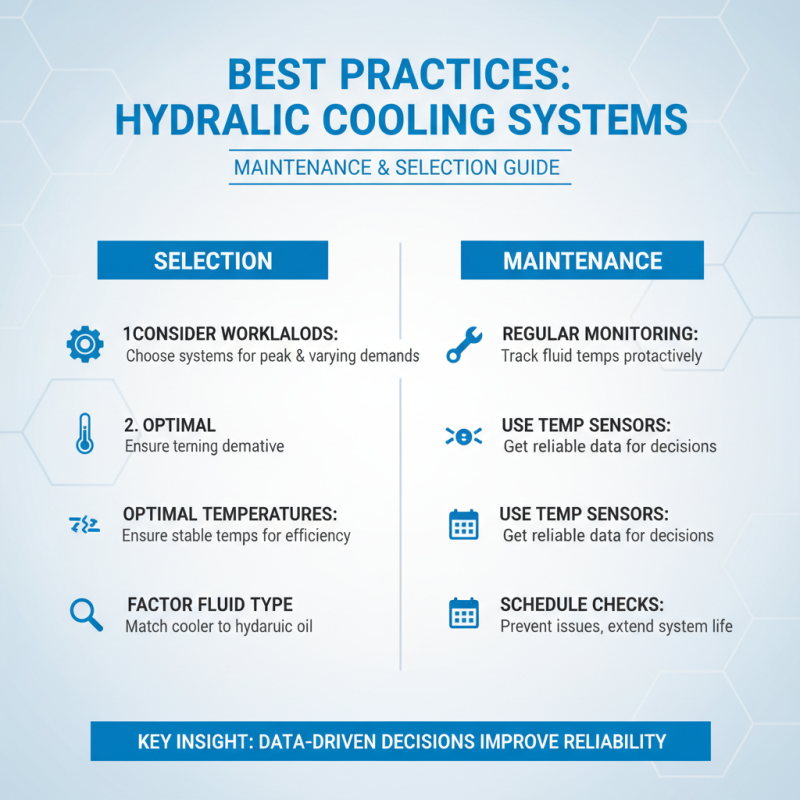
Choosing the right system involves considering your specific operational needs. Factors like the temperature range, oil type, and system capacity are essential. It's easy to overlook details like installation space and maintenance requirements, which can lead to future issues. Regular monitoring of cooling performance is vital. This reflection on equipment performance should guide improvements.
Top Tips for Choosing the Right Hydraulic Oil Cooling System
Key Factors Influencing Hydraulic Oil Cooling Efficiency
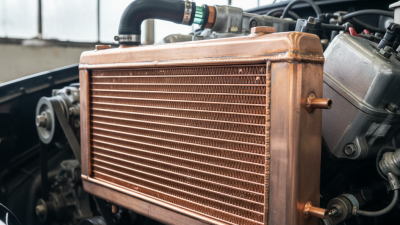
When selecting a hydraulic oil cooling system, key factors influence efficiency. One major element is the heat exchanger design. Inadequate design can lead to poor thermal transfer and higher oil temperatures. Research shows that a properly designed heat exchanger can improve cooling efficiency by up to 30%. It's crucial to assess the materials used, as certain metals provide better conductivity, enhancing overall system performance.
Another important consideration is the oil flow rate. Insufficient flow can lead to dead zones, resulting in uneven cooling and increased wear on components. Optimum flow rates should be established based on the hydraulic system's specifications. Studies indicate that adjusting the flow by just 10% can significantly impact temperature variations.
Environmental conditions cannot be overlooked. Ambient temperatures and dust levels play a role in cooling effectiveness. Systems operating in hot environments may require larger or additional cooling units. Regular maintenance is also vital. Neglected components can lead to efficiency drops, reducing oil lifespan. Balancing these factors is necessary for maximizing cooling efficiency and ensuring optimal hydraulic system performance.
Types of Hydraulic Oil Cooling Systems: A Comparative Analysis
When exploring hydraulic oil cooling systems, understanding the available types is crucial. Each system offers distinct features that cater to various operational needs.
Air-cooled systems utilize ambient air to dissipate heat.
They are straightforward and require low maintenance. However, their efficiency can vary with temperature changes and may struggle in confined spaces.
Water-cooled systems, on the other hand, excel in heat transfer.
They leverage water's thermal properties to cool hydraulic oil effectively. These systems are ideal for high-load operations.
Yet, they may introduce complexities, such as the need for water supply and potential leaks.
The choice between air and water cooling often hinges on facility logistics and specific operational demands.
Lastly, consider plate heat exchangers.
They provide a compact solution for oil cooling. Their design allows for efficient heat transfer between oil and cooling fluid.
However, installation can be tricky, and maintenance is essential to ensure optimal performance.
All options come with trade-offs. Evaluating operational requirements against these factors can lead to better purchasing decisions.
Industry Standards and Specifications for Hydraulic Cooling Oils
Choosing the right hydraulic oil cooling system is crucial for operational efficiency. Industry standards play a significant role in this selection process. ISO standards outline the essential specifications for hydraulic cooling oils. These standards ensure safety and reliability in various applications. Manufacturers must adhere to viscosity indices and thermal stability requirements.
Evaluating the compatibility of the hydraulic oil with components is vital. Oil should resist breakdown under high temperatures. Attention should be paid to the pour point and flash point as well. These factors influence the fluid's performance in extreme conditions. The lubricant's resistance to oxidation also impacts system longevity. Sometimes, users underestimate the importance of proper oil selection.
Not all oils meet the same specifications, which can lead to issues. Conducting thorough research and consulting with professionals can clarify uncertainties. Users often find themselves regretting a choice made in haste. They may face increased maintenance costs or equipment downtime. It is essential to find a balance between cost and quality. Selecting a system aligned with industry standards is a reliable step toward operational success.
Top Tips for Choosing the Right Hydraulic Oil Cooling System
| Parameter |
Description |
Standard Specification |
| Viscosity Grade |
The thickness of the oil at operating temperatures, affecting flow and heat transfer. |
ISO VG 32 - ISO VG 68 |
| Temperature Stability |
The oil's ability to maintain performance under temperature variations. |
Meets ASTM D Temperature standards |
| Additives |
Substances added to improve oil properties such as anti-wear, corrosion resistance, and oxidation stability. |
API SM, ISO 11158 |
| Cooling Capacity |
The system’s efficiency in removing heat from hydraulic fluids. |
Specified in kW according to equipment needs |
| Compatibility |
Compatibility with materials used in hydraulic systems to prevent degradation. |
Check against ISO 3722 specifications |