Top Benefits of Air Cooled Heat Exchanger for Global Buyers?
The demand for efficient cooling solutions has led to the rising popularity of Air Cooled Heat Exchangers. Industry expert Dr. Emily Rhodes, an esteemed thermal engineer, emphasizes their value: "Air Cooled Heat Exchangers are pivotal for energy efficiency in various industrial applications." This technology offers numerous advantages that global buyers can benefit from.
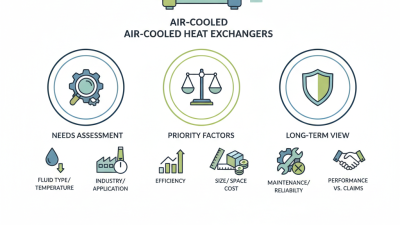
Efficiency and sustainability are at the forefront. Air Cooled Heat Exchangers reduce water usage significantly. In many regions, water scarcity is a pressing issue. Choosing this technology can mitigate environmental impacts and lower operational costs. These exchangers also require less maintenance compared to traditional cooling systems. However, not all installations guarantee optimal performance; it is critical to assess specific industrial needs carefully.
The reliability of Air Cooled Heat Exchangers is evident in diverse sectors, from oil and gas to power generation. Despite their strengths, potential challenges exist, such as sensitivity to ambient temperatures. Understanding these nuances is essential for maximizing their benefits. Adopting this technology may require a shift in operational strategies, yet the rewards can be substantial for future-focused enterprises.
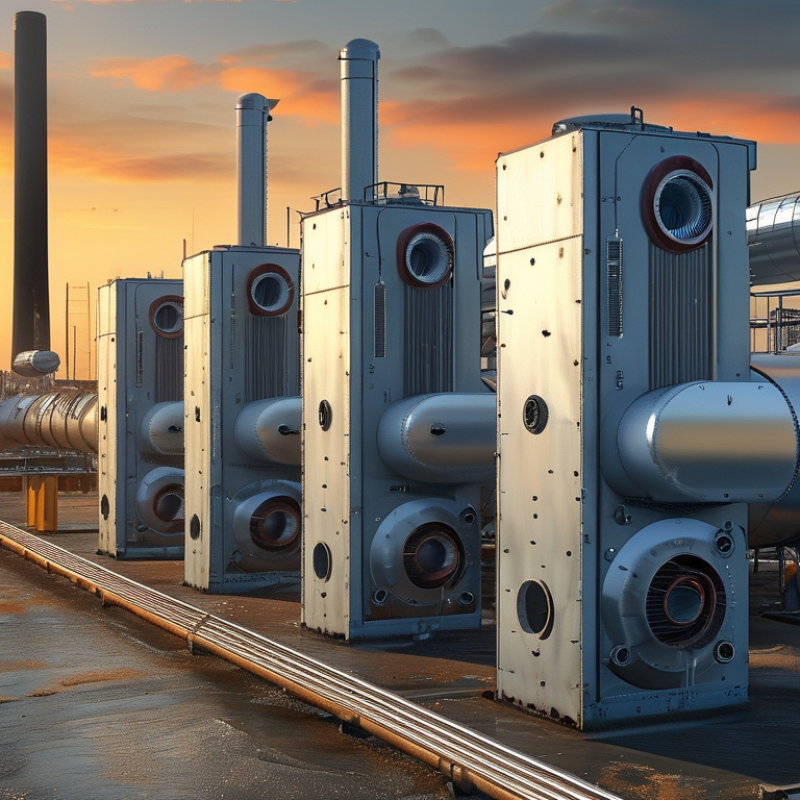
Benefits of Air Cooled Heat Exchangers in Various Industries
Air cooled heat exchangers (ACHEs) are essential in several industries, including petrochemical, power generation, and food processing. These devices exchange heat between two fluids without using water, making them highly efficient. One significant benefit is reduced water consumption, which is crucial in water-scarce regions. This advantage not only conserves resources but also lowers operational costs.
Additionally, ACHEs require less maintenance compared to traditional water-cooled systems. Their design minimizes the risk of fouling and scaling, which can lead to efficiency losses. In industries where reliability is paramount, such as oil and gas, this ensures consistent performance. Moreover, ACHEs can operate effectively in extreme temperatures, expanding their usability.
When selecting an air cooled heat exchanger, consider the specific application. Different industries may have unique requirements. Understand the thermal load and ambient conditions to optimize performance. Regular cleaning of air fins can prevent dirt buildup and ensure efficiency. Even with their advantages, ACHEs require thoughtful integration into existing facilities for maximum benefit.
Top Benefits of Air Cooled Heat Exchanger for Global Buyers
| Industry |
Key Benefits |
Common Applications |
Energy Efficiency |
| Oil & Gas |
Reduced water use, lower environmental impact |
Refinery cooling, gas compression |
High efficiency with minimal operating costs |
| Power Generation |
Compact design, enhanced reliability |
Power plants, alternative energy systems |
Significant reduction in energy consumption |
| Chemical Processing |
Higher thermal efficiency, long lifespan |
Reaction cooling, solvent recovery |
Optimized for low energy input |
| Food & Beverage |
Clean operation, minimal maintenance |
Pasteurization, cooling liquid transport |
Improved caloric efficiency |
| HVAC |
Space saving, lower installation costs |
Building climate control systems |
Reduced power consumption, eco-friendly |
Energy Efficiency of Air Cooled Heat Exchangers Explained
Air cooled heat exchangers (ACHEs) play a crucial role in various industrial processes. They use ambient air to cool fluids, which makes them popular for energy savings. Their design allows effective heat transfer without the need for water, conserving that critical resource. This can lead to significant cost savings in regions where water is scarce or expensive.
Energy efficiency is one of the standout features of ACHEs. They require less energy to operate compared to traditional water-cooled systems. This reduces operational costs and lessens environmental impact. However, the efficiency can vary depending on ambient temperatures and airflow. Over time, dust buildup can hinder performance. Regular maintenance is crucial to ensure they operate efficiently.
Despite their benefits, ACHEs are not without challenges. In extreme heat, their cooling capability can diminish. Understanding these limitations is essential for buyers. It's important to weigh all factors to ensure the right choice for specific needs. Evaluating performance data and considering installation sites can aid in decision-making.
Energy Efficiency of Air Cooled Heat Exchangers
This bar chart illustrates the top benefits of air cooled heat exchangers, emphasizing their heat transfer efficiency, potential for energy consumption reduction, maintenance cost savings, positive environmental impact, and operational flexibility. These factors contribute significantly to their growing popularity among global buyers.
Cost Savings Achieved Through Air Cooled Heat Exchanger Technology
Air cooled heat exchangers offer numerous advantages for businesses worldwide. One significant benefit is cost savings achieved through reduced energy consumption. These systems utilize ambient air to cool fluids, eliminating the need for water. This not only lowers operational costs but also conserves one of our most precious resources. Industries can effectively trim expenses by embracing this technology.
Energy efficiency does not exclude initial investments. Sometimes, the upfront cost may seem high compared to traditional cooling systems. However, the long-term savings often outweigh those concerns. Companies should consider the amortization of these costs over time. Weighing maintenance requirements is equally important. Simpler systems often result in lower ongoing expenses.
Consider these tips when assessing air cooled heat exchangers. Analyze energy usage patterns to project savings effectively. Engage with experts who can provide insights into system performance. Understand the environmental impact, and choose designs that align with sustainability goals. Taking these steps can lead to better decisions and improved financial outcomes.
Environmental Impact of Air Cooled Heat Exchangers and Sustainability
Air cooled heat exchangers are becoming increasingly popular due to their significant environmental benefits. They reduce water consumption compared to traditional water-cooled systems, making them ideal for areas where water is scarce. By using ambient air for cooling, these systems help lower energy costs and minimize greenhouse gas emissions.
Adopting air cooled heat exchangers also aligns with sustainability goals. Companies are shifting toward greener technologies to meet global regulations. They provide a way to improve efficiency without sacrificing performance. This transition is not always straightforward. Some buyers may find the initial installation costs higher, but long-term savings can outweigh these expenses.
Tips for choosing the right air cooled heat exchanger include assessing your cooling needs accurately. Consider your operating conditions, as ambient temperatures can vary significantly. Regular maintenance is essential to optimize performance and extend the equipment's lifespan. Ensure your team is trained properly in operating these systems efficiently, as this can lead to unexpected challenges.
Comparison with Other Heat Exchange Technologies: Key Advantages
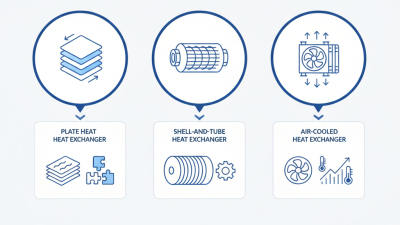
Air cooled heat exchangers offer distinct advantages compared to other heat exchange technologies. One key benefit lies in their simplicity and low maintenance requirements. Unlike water-cooled systems, they do not require a cooling tower or a water supply. This setup minimizes the risk of water-related issues such as corrosion or scaling, making them reliable in various industrial applications.
Efficiency is another advantage. Air cooled systems can operate effectively in diverse environmental conditions without the need for additional water. They are ideal for areas where water is scarce or expensive. The absence of a water source reduces overall system complexity. Yet, it's crucial to note that their performance can be affected by ambient air temperatures, especially in hot climates.
Cost savings are significant. Air cooled heat exchangers typically have lower installation costs than their water-cooled counterparts. They eliminate the need for extensive plumbing and water treatment systems. However, potential buyers should consider their specific heat transfer needs. In some applications, traditional methods may still be more effective. Evaluating these factors can lead to better decision-making when investing in heat exchange technology.