An oil cooler is a vital component in enhancing your vehicle's performance and longevity. According to automotive expert John Baker, “An effective oil cooler can significantly improve engine health and efficiency.” This statement highlights the importance of oil coolers in maintaining optimal temperatures during operation.
In many cases, vehicles subjected to heavy loads or extreme conditions struggle with overheating. An oil cooler addresses this issue by maintaining an ideal oil temperature. This simple yet effective solution can prevent engine wear and extend the lifespan of critical components. Many drivers may overlook this important addition, potentially leading to costly repairs.
Integrating an oil cooler into your vehicle not only boosts performance but also promotes fuel efficiency. By managing oil temperatures, engines can run smoother and reduce friction. This results in a noticeable improvement in both power output and overall reliability. Investing in an oil cooler can be an essential step towards making your vehicle more resilient.
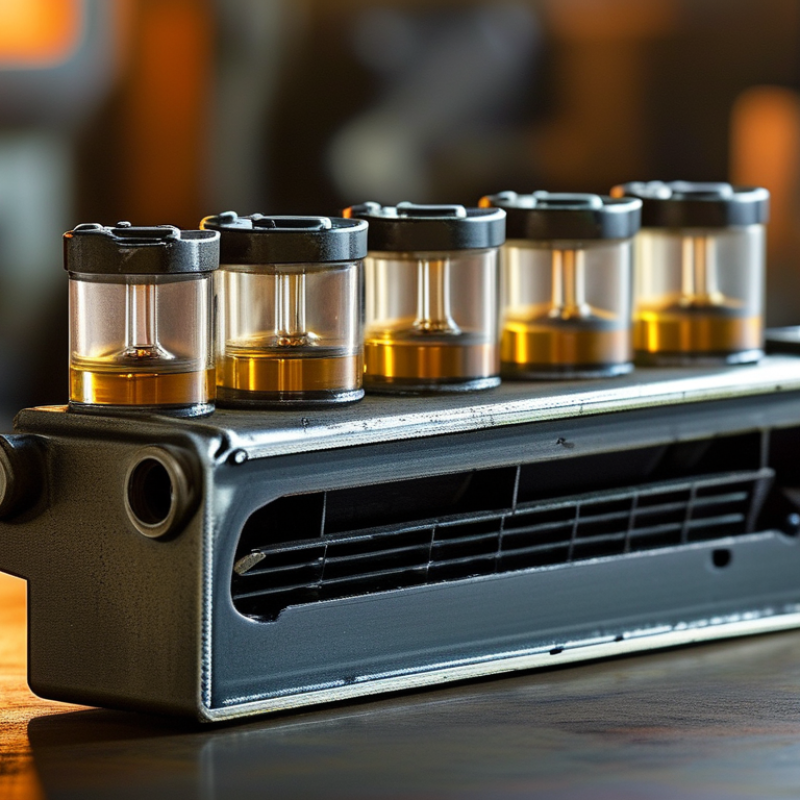
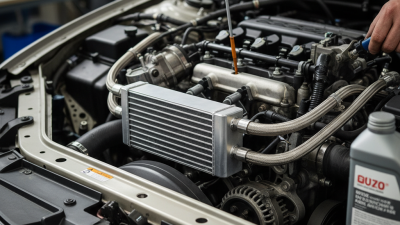
An oil cooler plays a crucial role in maintaining the optimal temperature of your vehicle's engine oil. When the engine runs, oil circulates to lubricate moving parts, reducing friction. But as the engine heats up, the oil can also become too hot, leading to potential damage. An oil cooler helps manage those temperatures effectively. By transferring heat from the oil to the cooler, it ensures that the oil remains within a safe range.
Understanding how an oil cooler works can shine a light on its importance. It typically uses airflow or coolant to dissipate heat. Hot oil enters the cooler and circulates through tubes, while cooler air or liquid surrounds these tubes. This process allows the heat to escape, cooling the oil before it returns to the engine. This system promotes better performance and longevity of the engine.
However, it's essential to recognize that not every vehicle necessarily benefits from an oil cooler. Engines designed for everyday use might not require one, as they operate within acceptable temperature ranges. In high-performance vehicles, though, the demand for an oil cooler increases. Drivers should weigh the pros and cons based on driving habits and vehicle conditions. Understanding these aspects can lead to better decisions regarding engine maintenance.

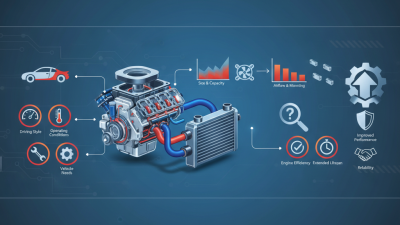
Oil coolers play a critical role in enhancing engine efficiency by maintaining optimal oil temperature. As your vehicle operates, engine oil absorbs heat. When temperatures rise, oil viscosity decreases, impacting its ability to lubricate moving parts effectively. This can lead to increased wear and tear, raising repair costs. An oil cooler helps regulate this temperature, keeping oil thick enough for better protection.
When oil temperature stays low, it ensures consistent performance. This results in improved fuel efficiency and reduced emissions. A cooler engine runs smoother, which can translate to a more enjoyable driving experience. However, not all engines require an oil cooler. Some vehicles may see diminishing returns if installed without proper consideration. Thus, evaluating the specific needs of your vehicle is essential.
Maintaining optimal oil temperatures can be a challenging balance. Factors like driving conditions and engine modifications can complicate decisions about using an oil cooler. While lower temperatures are often beneficial, extreme cooling can hinder oil’s performance as well. Thus, it’s crucial to understand your vehicle's dynamics to make the right choice about oil cooling solutions.
A well-functioning oil cooling system is crucial for any vehicle. Properly managing engine temperature can significantly extend the lifespan of your engine. High temperatures can lead to oil breakdown. When oil breaks down, it loses its ability to lubricate effectively. This results in increased engine wear and tear, ultimately shortening its lifespan.
Heat can be particularly damaging during intense driving conditions. Engines generate more heat under heavy loads or high speeds. An oil cooler helps maintain optimal temperatures in these situations. It ensures the engine oil remains stable and effective. A cooler engine operates more efficiently, which can enhance overall performance. However, many vehicle owners may overlook this essential system, risking long-term damage.
Regular maintenance and checks are key to a reliable oil cooling system. It's essential to inspect the oil cooler for any leaks or blockages. Moreover, not all vehicles come equipped with an oil cooler. Some owners might consider adding one. This can be a DIY project, but it requires mechanical knowledge. Ignoring this system can lead to costly repairs down the line. Therefore, understanding the benefits of an oil cooler can help in making informed decisions for vehicle maintenance.
Using an oil cooler is a smart choice for enhancing your vehicle's performance. It can significantly improve fuel economy by maintaining optimal oil temperatures. When engine oil gets too hot, it loses its lubricating properties. This can lead to increased friction and energy loss, ultimately reducing fuel efficiency.
Installing an effective oil cooler helps regulate oil temperature. Cooler oil ensures that your engine runs smoothly. This can result in better fuel efficiency. In many cases, users report noticeable improvements in miles per gallon. Choosing the right size and type of oil cooler is crucial. It must match your engine's specifications.
Tips for maintaining your oil cooler include regular inspections. Check for leaks and buildup. Clean the cooler periodically to prevent blockages. Monitoring oil temperature can also help you identify performance issues early. Ensure your oil cooler is compatible with your vehicle. This basic maintenance can lead to long-term savings on fuel.
| Benefit | Description | Impact on Fuel Economy |
|---|---|---|
| Improved Engine Efficiency | Maintains optimal oil temperature, preventing overheating and wear. | Increases fuel efficiency by 5-10%. |
| Extended Engine Life | Reduces thermal stress and prolongs the lifespan of engine components. | Can lead to reduced fuel costs over time. |
| Reduced Oil Breakdown | Slows down the degradation of oil, maintaining its lubricating properties. | Improves efficiency, potentially saving 2-5% in fuel. |
| Lower Operating Temperature | Keeps engine components cooler, enhancing performance. | Effectively reduces fuel consumption. |
| Better Oil Pressure | Maintains optimal oil pressure, ensuring proper lubrication. | Improved pressure can reduce energy loss. |
| Enhanced Performance Under Load | Improves performance during towing or heavy usage. | Keeps fuel usage more efficient under strain. |
| Minimized Risk of Engine Knocking | Reduces the chances of knocking by regulating temperatures. | Can lead to smoother operation and better fuel usage. |
| Increased Oil Change Intervals | Allows for longer intervals between oil changes. | Saves money and reduces waste over time. |
| Overall Fuel Savings | Contributes to lower overall vehicle operating costs. | Potential savings of $100+ annually on fuel. |
| Smoother Engine Operation | Promotes a more responsive driving experience. | Can lead to more efficient driving and fuel savings. |
Engines operate efficiently when oil remains clean and cool. An oil cooler helps minimize oil degradation. This leads to improved lubrication and engine performance. With lower temperatures, oil retains its viscosity for longer. This prevents harmful breakdown and maintains effective operation.
Contaminants can build up in engine oil over time. They might include dirt, metal particles, and combustion byproducts. An oil cooler helps filter these impurities better. Cleaner oil protects internal components from wear and tear. Regular oil changes are still crucial. However, an oil cooler assists in maintaining oil quality in between changes.
Tips for maintaining your oil cooler include checking for leaks and ensuring it’s properly installed. Monitor oil temperature regularly; high readings could indicate a problem. Clean your oil cooler regularly to ensure optimal performance. Keeping your engine in peak condition requires attention to detail.