Top 10 Heat Exchanger Technologies Buyers Should Know?
When considering heat exchanger technology, understanding the various options available is critical for buyers. Heat exchangers are essential in industries ranging from HVAC to chemical processing. They efficiently transfer heat between materials and play a vital role in energy conservation. This article explores the top ten heat exchanger technologies that every buyer should know.
Advancements in heat exchanger technology have led to innovative designs. These innovations address efficiency, cost-effectiveness, and application versatility. Each technology has its unique strengths and weaknesses. For instance, some may excel in thermal performance while others might prioritize compact design. Buyers need to consider these factors seriously.
Knowledge about various heat exchanger technologies enables informed decisions. It helps in selecting the right type for specific needs. However, navigating through these options can be challenging. Not all technologies are suitable for every application. Careful analysis and understanding of each type are essential to optimize performance. This exploration aims to clarify those complexities, guiding buyers toward making better choices in heat exchanger technology.
Introduction to Heat Exchangers and Their Importance in Industry
Heat exchangers play a pivotal role in various industrial processes. These devices transfer heat between two or more fluids, making them essential in sectors like energy, chemical processing, and HVAC. According to a recent market analysis by Grand View Research, the global heat exchanger market is projected to reach $26.2 billion by 2025, indicating a significant demand for innovative technologies.
In industries like power generation, heat exchangers enhance energy efficiency. They recover waste heat, which can be repurposed, leading to lower operational costs. For instance, a study by the U.S. Department of Energy highlighted that optimizing heat exchangers can improve overall system efficiency by up to 30%. This statistic underlines the necessity of adopting new technologies, such as plate and shell heat exchangers, which offer improved thermal performance and compact design.
However, challenges remain in choosing the right technology. Factors like fluid type, temperature range, and maintenance requirements often complicate decision-making. A report from Research and Markets points out that nearly 40% of heat exchangers face performance issues due to improper selection. This emphasizes the importance of expertise in evaluating options to prevent inefficiencies and costly downtime. Engaging with knowledgeable professionals can bridge this gap, ensuring better system design and implementation.
Top 10 Heat Exchanger Technologies Buyers Should Know
This chart represents the efficiency ratings of different heat exchanger technologies widely used in various industries. The data illustrates the relative performance of each technology based on thermal efficiency, cost-effectiveness, and maintenance requirements.
Overview of Different Heat Exchanger Technologies Available Today
Heat exchangers play a critical role in many industrial applications. There are various types of heat exchanger technologies available today. Each has unique characteristics and advantages. The most common types include shell and tube, plate, and air-cooled heat exchangers. According to a report by MarketsandMarkets, the global heat exchanger market is expected to reach $22.5 billion by 2026, growing at a CAGR of 5.1%. This growth highlights the demand for efficient thermal management solutions.
Shell and tube heat exchangers are prevalent in oil and gas industries. They feature a series of tubes that allow heat transfer between two fluids. Their efficiency is notable, but the design can be complex and costly. Plate heat exchangers, on the other hand, are compact and offer a high heat transfer area. They are often used in food and beverage processing. However, they may require more frequent maintenance due to fouling issues.
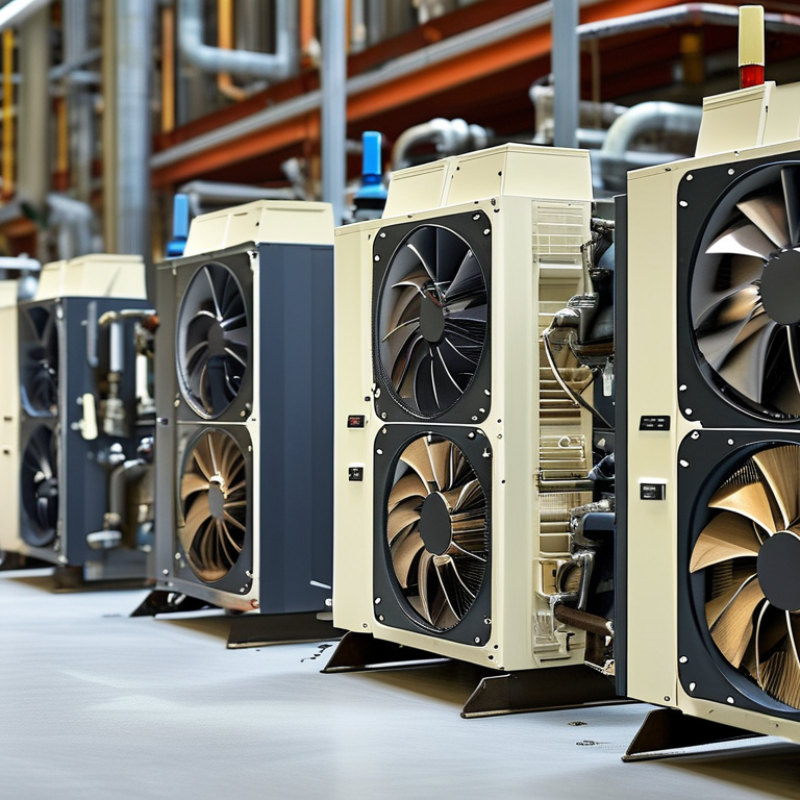
Lastly, air-cooled heat exchangers utilize ambient air to cool process fluids. They are energy efficient, reducing water usage. However, their effectiveness can be impacted by environmental conditions. Overall, understanding these technologies is essential for making informed purchasing decisions. Each choice carries unique trade-offs that buyers need to consider carefully.
Top 10 Heat Exchanger Technologies Buyers Should Know
| Technology Type |
Construction Material |
Application Area |
Heat Transfer Efficiency |
Cost Efficiency |
| Shell and Tube |
Carbon Steel, Stainless Steel |
Oil Refining, Power Plants |
Good |
Moderate |
| Plate |
Stainless Steel, Nickel |
Food Processing, HVAC |
High |
High |
| Air-Cooled |
Aluminum, Steel |
Power Plants, Chemical Plants |
Moderate |
Low |
| Double Pipe |
Copper, Stainless Steel |
Chemical Processing, HVAC |
Good |
Moderate |
| Spiral |
Stainless Steel, Carbon Steel |
Pharmaceuticals, Oil Processing |
High |
High |
| Fin Tube |
Copper, Stainless Steel |
HVAC, Power Generation |
Good |
Moderate |
| Heat Recovery |
Stainless Steel, Carbon Steel |
Industrial Processes, Power Plants |
Very High |
Very High |
| Microchannel |
Aluminum |
Automotive, Refrigeration |
Very High |
High |
| Graphene |
Graphene Composite |
Emerging, Energy Storage |
Unmatched |
Potentially Low |
| Brazed Plate |
Nickel, Copper |
HVAC, Marine |
High |
High |
Comparison of Efficiency and Applications of Key Heat Exchanger Types
When selecting a heat exchanger, efficiency and application are crucial factors. Different types of heat exchangers, such as shell-and-tube, plate, and air-cooled exchangers, each have unique advantages and suitable applications. Shell-and-tube exchangers are known for their durability and high ability to handle pressure. They perform well in industries requiring heavy-duty operations, such as oil and gas.
Plate heat exchangers offer excellent thermal efficiency. Their compact design allows for significant heat transfer in a smaller footprint. This makes them ideal for food processing and chemical industries where space is at a premium.
Air-cooled exchangers provide flexibility and lower water usage, which is increasingly important in water-scarce regions.
Tips: Consider the maintenance requirements of each type. Some heat exchangers may need regular cleaning. Evaluate the installation space available. A well-chosen heat exchanger will improve operational efficiency and reduce costs in the long run. Always think about the long-term implications of your choice, as efficiency and efficiency can shift over time.
Factors to Consider When Selecting a Heat Exchanger Technology
When selecting a heat exchanger technology, several factors demand careful consideration. Efficiency, cost, and application requirements must top your list. Different technologies have unique strengths, which can significantly impact your operations.
Consider the environment where the heat exchanger will be installed. High temperatures or corrosive fluids can affect material selection. It's vital to evaluate how these factors influence durability and performance.
Tips: Assess potential heat transfer efficiency. Analyze data from similar applications to make informed decisions. Don’t overlook maintenance requirements. Some technologies may offer lower upfront costs but require more frequent maintenance.
Ultimately, understanding performance metrics is crucial. Look into pressure drop, surface area, and flow configurations. Issues may arise if you ignore these metrics. Investigate real-world examples to identify common challenges with specific technologies. This research can provide valuable insight into what might work best for your needs.
Future Trends and Innovations in Heat Exchanger Technologies
The landscape of heat exchanger technologies is evolving rapidly. Innovations like compact designs are gaining traction. These systems save space without sacrificing efficiency. Advanced materials, such as graphene and polymers, offer enhanced thermal conductivity. This improvement contributes to better performance in various applications.
Digital transformation plays a crucial role in heat exchange technology. The integration of IoT devices allows for real-time monitoring. Such technologies provide valuable data for predictive maintenance. Users can optimize efficiency and minimize downtime. However, the adoption of these innovations may face resistance due to traditional practices.
Sustainability drives future innovations in heat exchangers. New designs focus on energy recovery and waste heat utilization. Companies are exploring environmentally friendly materials, but challenges persist. Balancing performance with eco-friendly initiatives requires continuous research. The future holds promise, but it also necessitates critical thought and careful decision-making.