Leave Your Message

What Is a Transmission Oil Cooler and How Does It Work?

A Transmission Oil Cooler helps control the heat created inside an automatic or heavy-duty transmission. As gears, bearings, and clutches operate, transmission fluid absorbs friction and pressure-related heat. Excessive temperature can reduce lubrication, accelerate fluid breakdown, and increase wear on internal components. Heat changes everything.

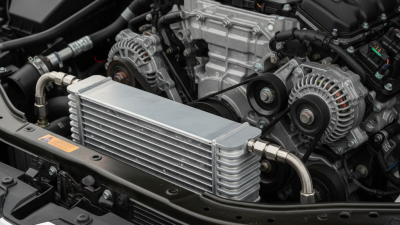
The cooler usually transfers this heat through a small heat exchanger. Some designs sit inside the radiator, while others mount separately with airflow through metal fins. Hot transmission fluid travels through narrow passages, releases heat, and returns to the transmission at a safer operating temperature. The process is simple, but installation details matter.

Service technicians commonly inspect cooler lines, fittings, airflow, and fluid condition during maintenance. A restricted line can limit circulation. A damaged fitting may create a slow leak that remains unnoticed for weeks. Real-world performance also depends on towing weight, outside temperature, vehicle design, and driving habits. Bigger is not always better.

An auxiliary cooler may benefit vehicles that tow trailers, carry heavy loads, or operate in mountainous areas. However, incorrect routing or poor mounting can create new problems. Fluid should not become excessively cold, either. Modern systems require balanced temperature control, not maximum cooling alone.

This guide explains what a Transmission Oil Cooler does and how it works. It also considers cooler types, warning signs, installation choices, and maintenance practices. Some vehicles respond differently than expected, so manufacturer specifications should guide every decision. Careful diagnosis remains more reliable than guessing.
What Is a Transmission Oil Cooler and How Does It Work?

What Is a Transmission Oil Cooler?

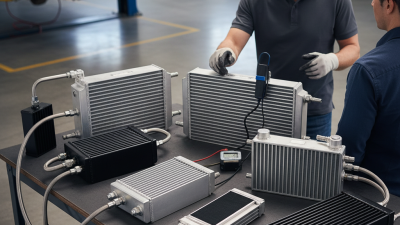
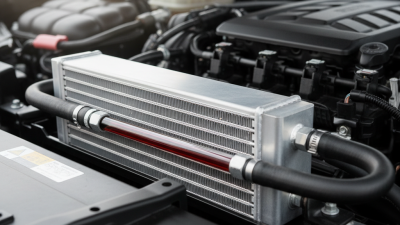
A transmission oil cooler is a compact heat exchanger that removes excess heat from transmission fluid. Although people call it an oil cooler, many modern transmissions use specialized fluid rather than engine oil. The cooler usually contains narrow passages, metal fins, or both. Hot fluid travels through these passages while air or engine coolant carries heat away. Small, but important.

In many vehicles, transmission fluid leaves the gearbox through a metal line. It then passes through the cooler before returning at a lower temperature. Some systems use airflow behind the grille. Others place the cooler inside a tank connected to the engine radiator.

A thermostat or bypass valve may control flow during cold starts, because fluid that is too cold can also reduce smooth shifting. This detail matters.

From practical inspection, technicians often check cooler lines, fittings, and the surrounding area for dampness or reddish fluid. A blocked passage can restrict flow, while poor airflow can leave the fluid overheated during towing or steep climbs. Dark fluid, delayed engagement, or a burning smell may indicate heat-related stress, but these signs can have several causes.

A cooler is not a repair for worn clutches or low fluid. I have seen cooling upgrades treated as a complete solution, which is an easy assumption to question. Proper fluid level, clean connections, and vehicle-specific service guidance still matter.
Why Transmission Fluid Temperature Matters

A transmission oil cooler removes heat from automatic transmission fluid before that heat damages internal parts. Fluid passes through a compact heat exchanger, usually using airflow or engine coolant. The cooler’s job sounds simple. Temperature control is not.

Why transmission fluid temperature matters becomes clear under towing, steep climbs, or stop-and-go traffic. Elevated heat accelerates oxidation, thickens varnish deposits, and weakens clutch friction materials. The Automatic Transmission Rebuilders Association’s widely cited temperature-life chart estimates fluid life may halve for each 20°F increase above approximately 175°F.

At 215°F, its estimate falls near 25% of the baseline life. These figures are guidance, not a guarantee.

SAE technical literature also links excessive fluid temperature with viscosity loss, seal deterioration, and poorer lubrication. A cooler can stabilize operating temperature, but it cannot repair restricted airflow or low fluid level. In practical inspections, I would check cooler lines, leaks, airflow, and scan-tool temperature readings together. Pan temperature may not represent the hottest internal area. That detail is easy to miss. A cooler that runs too aggressively can also slow warm-up in cold weather, so temperature control needs balance rather than maximum cooling.

How a Transmission Oil Cooler Transfers Heat

A transmission oil cooler controls heat by moving hot fluid away from the transmission. As gears and clutches operate, friction raises the fluid temperature. The fluid then travels through small passages inside the cooler. Heat passes through the passage walls into metal fins or an external coolant. Airflow or engine coolant carries that heat away. The cooled fluid returns to the transmission and supports smoother shifting.

The process seems simple, but real heat transfer is less tidy. Fluid speed, outside temperature, towing load, and cooler surface area all affect performance. A cooler with blocked fins cannot release heat efficiently. Dirty fluid can also restrict narrow passages. During inspection, look for damaged lines, oily residue, bent fins, or unusual fluid discoloration. These details may reveal a cooling problem before shifting becomes harsh. Temperature testing is more reliable than guessing by touch.

Tips: Keep airflow paths clean. Check fluid condition during scheduled service. Do not ignore a rising temperature gauge. A cooler that is too small may provide limited protection under heavy loads. I used to think cooler size was the main concern, but routing and airflow can matter just as much. Always follow the vehicle’s service instructions, and investigate leaks promptly.

Common Types and Installation Locations

A transmission oil cooler removes excess heat from automatic or heavy-duty transmissions. Hot fluid loses viscosity, which can reduce lubrication and accelerate clutch wear. Common designs include tube-and-fin, stacked-plate, and water-to-oil coolers. Tube-and-fin units are usually lighter and less expensive. Stacked-plate coolers transfer heat more efficiently, especially during towing or frequent stop-and-go driving. Water-to-oil coolers use engine coolant to control transmission temperature more steadily, but they add another possible leak point.

Installation location matters as much as cooler type. Many auxiliary coolers sit in front of the radiator or air-conditioning condenser, where moving air reaches the fins. A side-mounted position may work when front space is limited. Some vehicles use an integrated cooler inside the radiator tank, while others place a separate unit beneath the vehicle. Airflow, ground clearance, hose routing, and protection from road debris must be checked carefully. A cooler mounted too close to a hot exhaust component can perform poorly. That mistake is easy to miss.

Tips: Follow the fluid-flow direction marked on the cooler. Use heat-resistant lines and secure every connection away from sharp edges. Check fluid level after installation, then inspect for seepage during a short road test. In my experience, many problems come from poor airflow rather than a weak cooler. Still, vehicle load and climate change the result. A design that works well on a light commuter vehicle may be inadequate for towing. Temperature testing is worth the extra effort.

Cooler Problems, Warning Signs, and Maintenance

A transmission oil cooler removes heat from automatic transmission fluid. The fluid flows through small tubes beside engine coolant or moving air. This protects clutches, seals, and bearings during towing, steep climbs, and stop-and-go traffic.

Heat remains the main threat. SAE technical literature commonly uses 93°C (200°F) as a critical transmission-fluid reference point. Above that level, oxidation accelerates, although actual damage depends on load, fluid condition, and cooler design. A 2023 industry service report from the Automatic Transmission Rebuilders Association identified overheating and fluid contamination among frequent transmission failure contributors. That finding deserves caution; service records can reflect repair-shop cases, not every vehicle on the road.

Warning signs include delayed engagement, harsh shifting, slipping, dark fluid, or a burnt smell. Wetness around cooler lines matters. A small leak can become serious after a long climb. Foamy fluid may suggest air entry or overfilling. Do not guess from color alone. Some modern fluids naturally look darker.

Tips: Check the fluid level on level ground, using the vehicle’s exact procedure. Inspect hoses for cracks and fittings for dampness. Clean debris from the cooler fins gently. Change fluid only at the specified interval. An independent technician should pressure-test the cooler after repeated overheating. I would not install a larger cooler automatically; poor routing can restrict flow or create leaks. Maintenance manuals remain the safer authority.