Top 5 Air Cooled Oil Cooler Benefits for Global Buyers?
In today's industrial landscape, the importance of effective cooling systems cannot be overstated. The Air Cooled Oil Cooler has emerged as a leading solution for managing engine oil temperatures. This technology appeals to global buyers aiming to enhance performance and longevity of their machinery.
The benefits of using an Air Cooled Oil Cooler are numerous. For instance, they improve operational efficiency by maintaining optimal oil temperatures. Additionally, they can reduce maintenance costs over time. Many industries, from automotive to manufacturing, find this technology invaluable. It’s not just about cooling; it's about reliability and performance.
However, buyers must reflect on their specific needs. Not every application may require an Air Cooled Oil Cooler. Research and expert consultations can guide optimal choices. Understanding the complexities of cooling systems is essential for making informed decisions. Therefore, exploring the top benefits of these coolers is an important step for any industry professional.
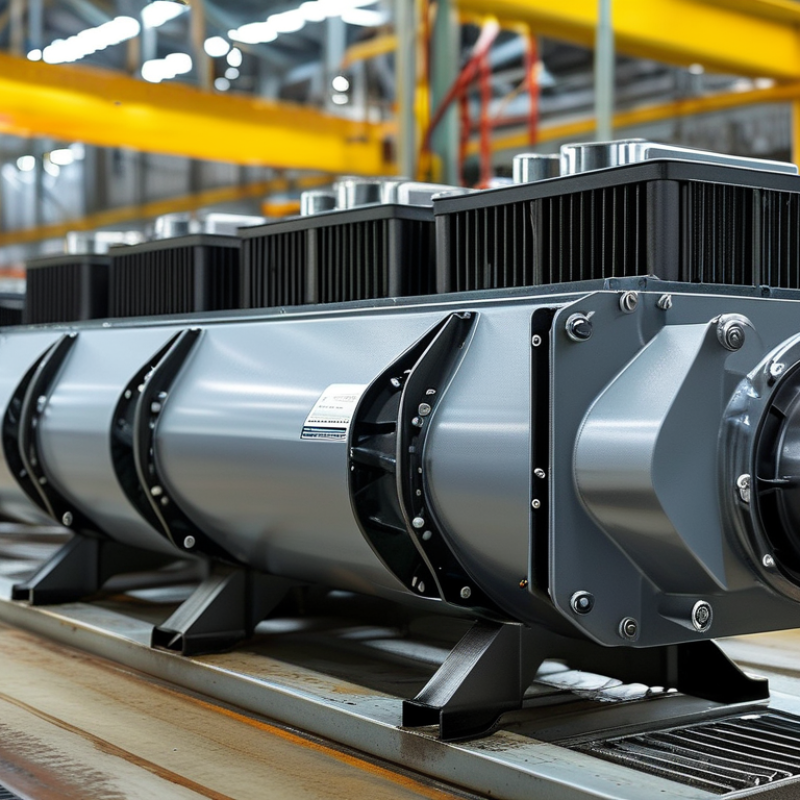
Benefits of Air Cooled Oil Coolers for Engine Performance
Air cooled oil coolers play a vital role in optimizing engine performance. By effectively reducing oil temperatures, these coolers help maintain the optimal operating range for engine components. Research indicates that engines operating at cooler temperatures experience less wear, leading to increased longevity. For instance, a study by the Society of Automotive Engineers reports that reducing oil temperature by just 10 degrees Fahrenheit can improve engine efficiency by up to 2%.
A key benefit of air cooled oil coolers is their simplicity. They require no additional fluids, unlike liquid cooled options. This can save both costs and maintenance headaches. Moreover, air cooled systems often take up less space, which can lead to better design flexibility in engine compartments. It's important to install these coolers correctly, as improper mounting may diminish their effectiveness.
Tip: Regularly check the air intake and clean any debris that could obstruct airflow.
Tip: Ensure that installation complies with industry standards to maximize performance gain.
Remember, even the best systems can underperform without regular maintenance and proper setup. An overlooked detail today could translate to significant issues tomorrow.
Enhanced Efficiency and Fuel Economy Advantages
Air-cooled oil coolers offer distinct advantages that enhance efficiency and fuel economy for various applications. One of the primary benefits is their ability to lower vehicle operating temperatures. By effectively dissipating heat, these coolers can maintain optimal oil viscosity, which is crucial for engine performance. According to a report by the American Petroleum Institute (API), maintaining proper oil temperature can improve fuel efficiency by up to 5%.
In addition, air-cooled oil coolers are often lighter and more compact than liquid-cooled systems. This reduces overall vehicle weight, which is an important factor in boosting fuel economy. For instance, a reduction of just 100 pounds can lead to a 1-2% increase in fuel efficiency. Furthermore, they generally require less maintenance. This benefit is critical, as maintenance costs can significantly impact the total cost of ownership over the life of a vehicle.
Despite their advantages, there are challenges. Operational performance in extreme weather conditions can be less reliable compared to liquid-cooling systems. Additionally, air-cooled designs may not provide the same level of cooling efficiency in high-demand scenarios. Users should carefully evaluate the environmental factors and specific needs of their operations to choose the best cooling solution.
Reduced Maintenance Requirements of Air Cooled Systems
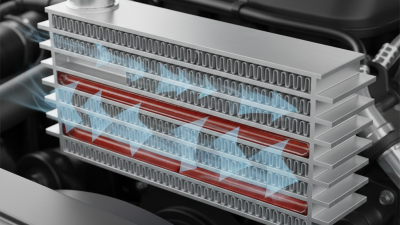
Air cooled oil coolers offer significant advantages, especially regarding maintenance requirements. Unlike traditional liquid-cooled systems, air-cooled models use ambient air to dissipate heat. This leads to simpler designs and fewer components that require regular inspections. Maintenance becomes less frequent and more straightforward. Users find reduced wear and tear, which often extends the equipment's lifespan.
Reduced maintenance means fewer service interruptions. Technicians do not need to worry about coolant leaks or pump failures. Components like hoses and water pumps are eliminated, significantly lowering the number of parts that can fail. Users often discover that routine cleaning of the cooling fins is the main upkeep task. Additionally, air-cooled systems tend to have lower operational costs, which attracts budget-conscious buyers.
However, some potential drawbacks may exist. In particularly high-temperature environments, air-cooled systems could struggle more than liquid options. Users must assess their specific conditions before committing. While these systems promise a more straightforward maintenance philosophy, environmental factors can affect efficiency. Each application is unique, requiring careful evaluation and sometimes a willingness to adapt.
Environmental Benefits of Utilizing Air Cooled Oil Coolers
Air cooled oil coolers represent a significant advancement in environmental sustainability. These systems use ambient air to dissipate heat, minimizing energy consumption. They do not require water, reducing stress on local water supplies. This benefit is especially vital in arid regions facing water scarcity.
Tips for buyers: consider the operational conditions in your area. This will help determine the efficiency of an air cooled system. Assess the installation space and airflow to ensure optimal performance.
The manufacturing process for air cooled oil coolers is generally less energy-intensive. This leads to a lower carbon footprint compared to water-cooled alternatives. While they are environmentally friendly, it is essential to monitor their performance. Neglecting maintenance can lead to inefficiencies and increased energy use.
Tips for buyers: establish a regular cleaning schedule to maintain efficiency. Also, review environmental regulations in your region. This ensures compliance and promotes best practices in sustainability.
Top 5 Air Cooled Oil Cooler Benefits for Global Buyers
| Benefit |
Description |
Environmental Impact |
| Energy Efficiency |
Reduces energy consumption by utilizing ambient air for cooling. |
Decreases carbon footprint due to lower electrical usage. |
| Water Conservation |
Eliminates the need for water in the cooling process. |
Helps preserve freshwater resources in arid regions. |
| Lower Maintenance Costs |
Requires less maintenance compared to water-cooled systems. |
Reduces waste from maintenance chemicals and processes. |
| Improved Air Quality |
Utilizes natural air flow which improves overall air quality. |
Contributes to healthier environments around operational areas. |
| Reduced Carbon Emissions |
Utilizing air reduces reliance on fossil fuels for energy. |
Aids in mitigating climate change impacts due to lower greenhouse gas emissions. |
Cost-Effectiveness in the Long Term for Global Buyers
Air-cooled oil coolers are becoming popular among global buyers. One key advantage is their cost-effectiveness over time. Many buyers appreciate these systems because they require less maintenance. Fewer moving parts mean lower repair costs. This is especially relevant in environments where downtime can be costly.
Another reason for their popularity is energy efficiency. Air coolers use ambient air for cooling, which reduces reliance on water or electricity. This can lead to significant savings in operational costs. Users report better performance and lower energy bills. However, in some instances, their effectiveness can drop in extremely high temperatures. This might necessitate alternative cooling measures.
Moreover, air-cooled oil coolers are simpler to install. They can be placed in various locations without complex plumbing systems. However, selecting the right size and design is crucial. Oversizing can result in inefficiencies. Buyers must consider their unique requirements to avoid potential drawbacks.
Top 5 Benefits of Air Cooled Oil Coolers for Global Buyers
This chart illustrates the long-term cost-effectiveness and efficiency gained from implementing air cooled oil coolers. The data reflects the average savings and benefits attributed to their use over a five-year span.