10 Best Radiator Brazed Plate Options for Efficient Heat Transfer?
In the world of heating solutions, the efficiency of heat transfer is paramount. Radiator Brazed Plates have emerged as a vital component in achieving this efficiency. Expert engineer John Smith, a leading authority in HVAC technology, states, "A well-designed Radiator Brazed Plate can drastically improve thermal performance." His insights highlight the importance of selecting the right product.
The right choice can make a significant difference in energy consumption. When searching for the best options, one should consider design, material, and application. Not all Radiator Brazed Plates are created equal. A crucial aspect is ensuring reliability under varying temperatures and pressures. Subpar products can lead to failures, causing inefficiencies.
Understanding these nuances can be overwhelming. However, investing time in research pays off. It ensures you select a reliable solution that meets your specific needs. An optimal Radiator Brazed Plate is more than just a component; it's about enhancing overall system performance. Remember, as John Smith suggests, the right plate is essential for effective heat transfer.

What Is a Brazed Plate Heat Exchanger and How It Works
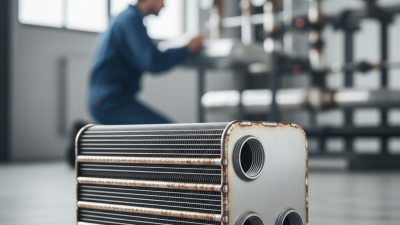
Brazed plate heat exchangers are compact devices designed for efficient heat transfer. They consist of multiple thin plates stacked together and bonded with a brazing material. This structure maximizes the surface area for heat exchange between two fluids. The high thermal conductivity of the plates ensures efficient heat transfer, making them suitable for various applications.
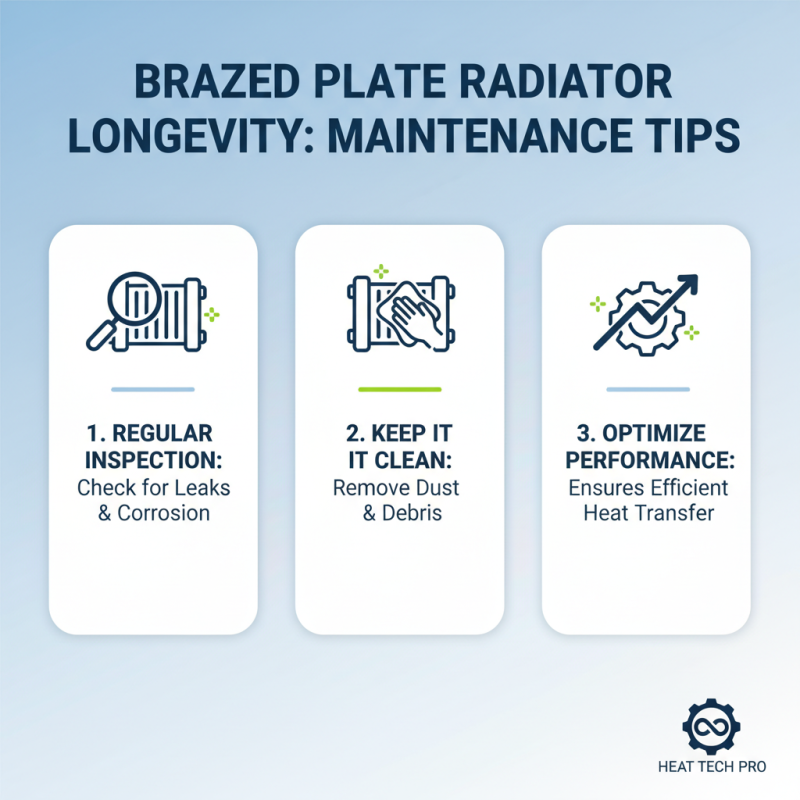
One notable feature is their durability. The brazed connections resist corrosion and leakage, extending the unit's lifespan. However, proper maintenance is crucial. Over time, deposits can build up on the plates, hindering performance. Regular cleaning is essential to maintain optimal efficiency. This might be challenging for some users lacking technical expertise.
Moreover, while brazed plate heat exchangers excel in performance, they come with some trade-offs. Their compact design can limit flow rates. In some cases, it might not be suitable for large-scale operations. Understanding these limitations helps users make informed decisions. By weighing the pros and cons, one can determine the best fit for their specific heating or cooling needs.
Key Features to Look for in Radiator Brazed Plate Options
When choosing radiator brazed plates, several critical features influence efficiency. Look for high thermal conductivity materials. This ensures optimal heat transfer in various applications. Stainless steel is commonly used due to its excellent resistance to corrosion. Copper is another option, offering superb heat conduction but lower durability.
Plate thickness matters significantly. Thinner plates can enhance heat transfer but may compromise strength. It's vital to balance these factors based on your specific needs.
Pay attention to the design of the plates as well. A stacked frame structure can improve contact and flow rates between fluids, increasing overall efficiency.
The size of the brazed plate is also essential. Ensure that it fits your existing system without requiring major adjustments.
Consider the maintenance aspect too. Some designs allow easier access for cleaning. A good choice might require regular checks for any degradation. Do remember that not every option will serve every purpose efficiently.
Always assess your heating requirements closely before making a decision.
Top 10 Recommended Brazed Plate Radiators for Heat Transfer Efficiency
Brazed plate radiators are crucial for efficient heat transfer in various applications. Choosing the right model is essential. A well-designed radiator maximizes heat exchange while minimizing energy consumption. Look for features that enhance performance, such as optimized flow paths and increased surface areas.
Consider factors like material quality and design. Stainless steel or copper plates can offer durability and efficiency. Their ability to conduct heat effectively is vital for preventing energy loss. Some designs incorporate multiple flow channels, leading to better heat distribution, reducing hotspots and improving overall efficiency.
Not all models are created equal. Users may encounter challenges with compatibility or installation. Ensuring that a brazed plate radiator fits within your system's specifications is crucial. Sometimes, a radiator may not perform as expected due to improper sizing. Always seek advice from experienced professionals for optimal results.
Comparative Analysis of Brazed Plate Designs and Their Performance
When selecting brazed plate options for heat transfer, the design and performance vary significantly among models. Industry reports indicate that brazed plates can achieve efficiency rates above 90% in optimal conditions. Their compact size allows for a smaller footprint in systems, which is ideal for tight spaces. However, not all designs offer the same performance.
The number of plates and the arrangement within the heat exchanger impact flow dynamics. Research shows that multi-channel plates can increase turbulence, enhancing heat transfer. Despite this, some users experience pressure drop issues when using high-density designs. These factors should be weighed carefully in design choices. Industry findings emphasize the necessity of balancing heat exchange efficiency with fluid resistance to optimize system performance.
Another point for consideration is material choice. Copper and stainless steel are common materials. Each has distinct thermal conductivity properties and corrosion resistance. While copper offers superior heat transfer, it may not always be suitable due to its susceptibility to corrosion in various fluids. Thus, a thorough understanding of the operating environment is essential. These details can influence not just efficiency but longevity and maintenance needs as well.
10 Best Radiator Brazed Plate Options for Efficient Heat Transfer