What Is the Best Oil Cooler Type in 2026?
The best Oil Cooler in 2026 depends less on a universal ranking than on the heat load, available space, fluid, and operating conditions. IEA’s Global EV Outlook 2024 projected electric car sales would exceed 17 million that year, illustrating how quickly vehicle powertrain designs are changing. That shift matters: some electrified systems use dedicated oil cooling, while others rely on different thermal architectures. A familiar cooler type is not automatically the right choice.
For compact vehicles and machinery, stacked-plate coolers can offer strong heat transfer in a small footprint, but they may add pressure drop and need clean fluid. Tube-and-fin designs are often straightforward to package and inspect; their performance depends heavily on airflow and installation. Shell-and-tube units can suit larger industrial duties, where serviceability and flow conditions matter. ASHRAE’s Handbook—Fundamentals provides established heat-transfer principles for comparing exchanger designs. SAE J300 and J306 define engine-oil and gear-lubricant viscosity classifications, respectively; they do not, by themselves, identify the correct cooler.
Fit matters most.
A useful comparison starts with measured inlet and outlet temperatures, flow rate, pressure limits, ambient conditions, and the space available for mounting. Then assess material compatibility, contamination risk, maintenance access, and the cost of fan or pump requirements. A catalog rating may not match real installation conditions. This is easy to overlook. The following guide compares cooler types by application and trade-off, using manufacturer specifications alongside recognized technical references. It also points out where selection remains uncertain, because field testing can reveal details that a specification sheet cannot.
How Oil Coolers Work and Where They Are Used
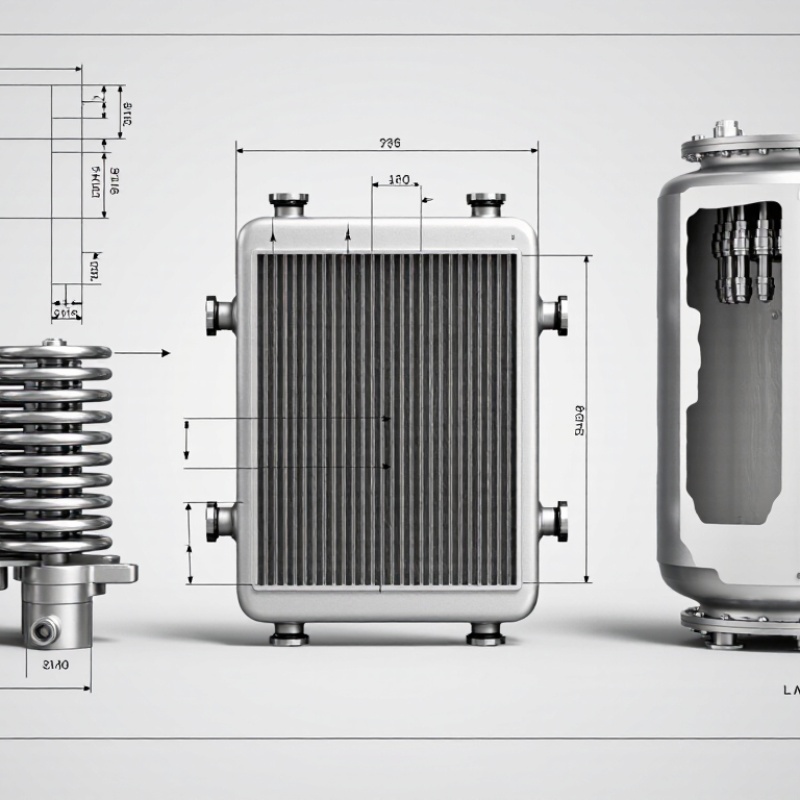
In 2026, the best oil cooler is not automatically the largest one. Its job is simple: remove heat from lubricating oil and keep viscosity within a useful range. Hot oil passes through small tubes or plates. Air or coolant then absorbs the heat. Air carries heat away. Liquid-to-liquid designs usually transfer heat faster and more consistently.
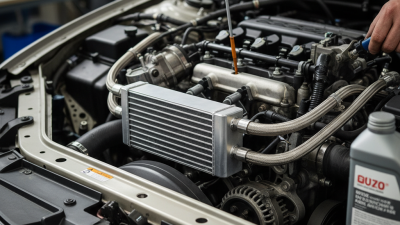
Air-to-oil coolers work well in vehicles, agricultural machines, compressors, and hydraulic equipment. They need steady airflow and enough space around the core. A dusty radiator, blocked fins, or poor airflow can reduce cooling performance quickly.
Liquid-to-liquid coolers suit marine engines, industrial systems, and compact engine bays. They use another fluid, often engine coolant, to control oil temperature. That difference matters.
Choosing a cooler requires more than comparing size. Engineers should check oil flow, operating pressure, viscosity, ambient temperature, and acceptable pressure loss. Oversized cooling can also keep oil too cold during startup. In practical maintenance, I inspect hose condition, fin cleanliness, leaks, and temperature readings before changing equipment. A neat calculation can still miss real-world airflow restrictions. I have learned that installation quality sometimes matters as much as cooler capacity. The best type depends on the machine’s heat load, available space, and working environment.
The Main Types of Oil Coolers Available in 2026
In 2026, the best oil cooler depends on heat load, available space, and operating conditions. Air-cooled oil coolers use external fins and moving air to remove heat. They work well in vehicles with steady airflow and simple maintenance needs. However, slow traffic can reduce their performance. Dust and damaged fins also matter. Liquid-cooled oil coolers transfer heat through engine coolant, offering stable temperatures in changing conditions. They suit compact engine bays, but a coolant leak can contaminate the oil. That risk deserves careful inspection.
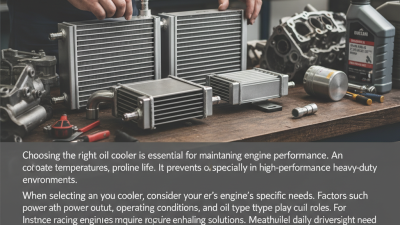
Plate-and-fin coolers provide strong heat transfer in a lightweight package. Stacked-plate designs usually handle high pressure and fit tight spaces. Their passages may clog when oil is dirty or service intervals are ignored. Shell-and-tube coolers are heavier, but they can deliver durable performance in industrial systems. I would not call one type universally superior. Real installations are messier than catalog charts suggest. Pressure drop, hose routing, thermostat control, and mounting strength can change the result.
Tips: Match the cooler to measured oil temperature, not guesswork. Keep airflow clear, use suitable fittings, and inspect joints after the first operating hours. A temperature gauge helps reveal whether the cooler is working. Bigger is not always better. Oversizing can slow warm-up and hide another cooling problem.
How Oil Cooler Designs Compare in Performance
What Is the Best Oil Cooler Type in 2026?
How Oil Cooler Designs Compare in Performance
Choosing the best oil cooler depends on heat load, available airflow, and acceptable pressure drop. Air-to-oil coolers work well when strong airflow reaches the core. Their performance can weaken during slow traffic or hot weather. Plate-and-fin designs usually provide excellent heat transfer in a compact space. They can, however, restrict flow if the passages are too narrow.
Liquid-to-oil coolers use engine coolant to control oil temperature more consistently. They warm oil faster during cold starts, which supports better lubrication. This design suits vehicles with limited airflow around the engine bay. Its weakness is shared heat. Under severe operation, rising coolant temperature may reduce cooling capacity.
Testing matters more than appearance. I would record oil temperature before and after the cooler, then compare pressure at different engine speeds. A temperature drop alone can mislead. Excessive pressure loss may reduce circulation. A bypass valve also deserves attention. It should prevent thick, cold oil from forcing through a restrictive core.
Real driving can expose design flaws. A cooler may perform perfectly on a highway and struggle on a steep trail. I once underestimated airflow changes caused by a protective grille. The result was warmer oil than expected. That mistake reinforced a practical rule: measure the complete installation, not only the cooler itself.
Tube-and-fin models remain useful where low cost, lighter weight, and moderate heat control matter.
Key Factors for Choosing an Oil Cooler Type
What Is the Best Oil Cooler Type in 2026?
Choosing an oil cooler starts with heat load, not appearance. A compact stacked-plate cooler transfers heat efficiently, but it may create higher pressure loss. A tube-and-fin design usually offers gentler flow resistance and easier cleaning. It often needs more airflow and installation space.
Measure the real conditions. Record oil inlet temperature, outlet temperature, ambient temperature, and pressure before selecting a unit. A calibrated gauge helps. For vehicles or machines with limited airflow, a liquid-to-oil cooler can provide steadier temperature control. However, it adds coolant demand and another possible leak path. In cold environments, a thermostat or bypass valve can prevent slow oil warm-up.
Packaging matters more than many specifications suggest. Check hose routing, fitting size, vibration, debris exposure, and service access around the cooler. The oil’s viscosity and maximum operating pressure must match the cooler’s design limits. A larger core is not automatically better. It can increase weight, pressure loss, and installation stress. The neatest solution may still perform poorly behind a blocked grille or dusty panel. My own preference would change after real temperature data, because initial assumptions are often wrong. Test under the hardest expected workload, not only during a short idle run.
Which Oil Cooler Type Best Fits Each Application?
What Is the Best Oil Cooler Type in 2026?
Which Oil Cooler Type Best Fits Each Application?
Choosing an oil cooler starts with the application, not the catalog. Air-cooled units suit trucks, agricultural machines, and racing vehicles with steady airflow. They tolerate dirty working environments and remain simple to service. However, airflow falls during low-speed operation. That weakness matters in traffic, construction, and mobile hydraulics. The 2024 Global Automotive Thermal Management Market assessment from Grand View Research valued this sector at more than USD 40 billion, showing how strongly thermal control now influences vehicle design.
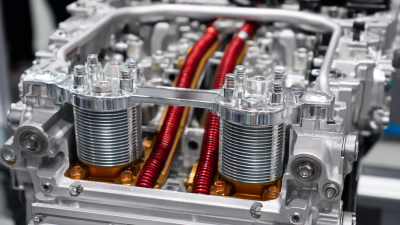
Liquid-cooled plate heat exchangers fit compact engines, hybrid systems, and electric drive units. They remove heat efficiently when space is limited. The International Energy Agency reported over 14 million electric car sales worldwide in 2023. That growth increases demand for precise cooling around motors, gearboxes, and battery-related systems. Plate designs offer strong heat transfer, but blocked passages and poor coolant quality can cause trouble. Small passages are efficient. They are also unforgiving.
Shell-and-tube coolers remain practical for marine engines, generators, and industrial equipment. They handle higher fluid volumes and are easier to inspect internally. For harsh oil contamination, a durable shell-and-tube design may outperform a lighter plate unit. My own selection process would still check pressure drop, peak oil temperature, ambient heat, vibration, and maintenance access. A perfect choice on paper can fail in the field. Oversizing can reduce efficiency, while undersizing creates expensive thermal stress. The application decides.