How to Choose Corrosion Resistant Radiators
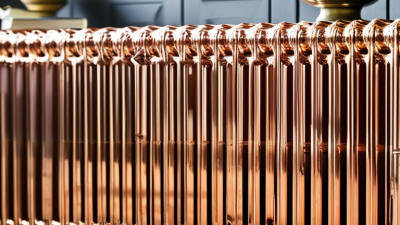
Choosing a corrosion-resistant radiator starts with understanding where it will operate. A unit near a damp basement wall faces different risks from one exposed to road salt, outdoor weather, or frequent temperature changes. Radiator Corrosion Resistance depends on more than the visible metal. The coolant or heating fluid, water quality, operating pressure, and contact between different metals can all affect service life. Small details matter. A sound-looking panel may still have vulnerable seams, fittings, or damaged protective coatings.
Compare materials and finishes against the actual system conditions, not just the product description. Aluminum, steel, and copper alloys each have advantages, but none is ideal for every installation. Check the manufacturer’s guidance on fluid compatibility, pressure limits, cleaning, and maintenance. The setting changes everything. For example, a radiator in a coastal area may need stronger protection from salt-laden air, while a closed indoor system may place greater emphasis on fluid chemistry and leak prevention. Ask for clear specifications and warranty terms; broad claims such as “rust-proof” do not explain how a product performs over time.
Installation matters, too. Poorly matched fittings or trapped moisture can undermine a suitable radiator. No material is flawless. A careful choice balances corrosion protection, heat transfer, cost, and repair access. This guide examines those factors so buyers can assess products with practical questions, rather than relying on appearance alone. When details are uncertain, confirm them with the manufacturer or a qualified heating professional.
Understanding Corrosion Risks in Radiator Systems
Corrosion in a radiator rarely begins with a dramatic failure. It often starts as a thin film of rust, dark sludge, or white mineral deposits inside a joint. Water quality matters: dissolved salts can speed metal loss, while unsuitable pH may damage protective surfaces. A pinhole leak can develop before the outside looks badly worn. Small clues matter.
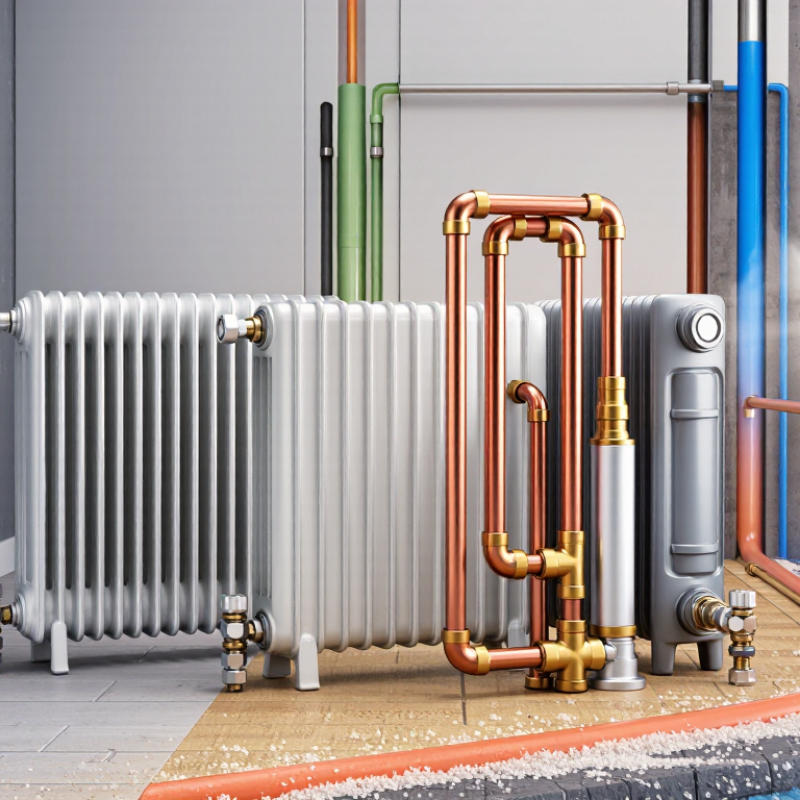
Mixed metals can raise the risk. When aluminum, steel, copper, or brass share a system, electrical interactions may attack the less resistant metal, especially where coolant connects them. Stagnant water creates another problem. Dead-end pipes and radiators left unused can collect sediment and lose the protective effect of circulating, treated fluid. Inhibitors in glycol-based coolant also weaken over time. That sounds simple. It isn’t. Fluid condition and service history are easy to overlook.
Before choosing a corrosion-resistant radiator, consider the actual system fluid, operating temperature, connected metals, and maintenance routine. Ask whether the core and fittings suit that combination, rather than relying on a material label alone. During inspection, look for crust around joints, discolored fluid, recurring pressure loss, or uneven heating. A small sample of coolant can reveal contamination or depleted inhibitors, but test results need interpretation against the fluid manufacturer’s guidance. Record what you find; memory is not always reliable.
Comparing Corrosion-Resistant Materials and Protective Coatings
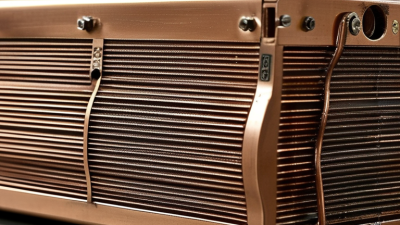
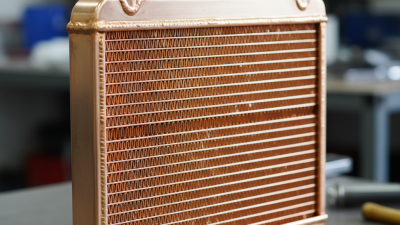
Choosing a radiator material starts with the water, not the brochure. Aluminum transfers heat efficiently and keeps units light, but mixed-metal systems can encourage galvanic corrosion when water chemistry is poorly controlled. Steel is robust and often protected with an internal coating; a scratch or pinhole can expose the metal beneath. Stainless steel resists corrosion well, though chloride-rich water can still damage some grades. Copper handles many heating conditions, but connections to other metals need careful attention.
Coatings matter, but they are not magic. An epoxy or powder-coated exterior helps resist damp rooms, cleaning chemicals, and small splashes. For internal protection, ask whether the coating suits the system’s temperature and water chemistry. Check seams, joints, and drain points; these are easy to overlook. The NACE IMPACT study estimated corrosion costs at US$2.5 trillion annually, or 3.4% of global GDP, and reported potential savings of 15–35% through corrosion-control practices. Those figures cover many industries, not radiators alone. Still, they underline why inspection and water treatment deserve attention. A practical choice compares material, coating coverage, and maintenance needs. I would not trust a coating claim without a stated test method. Water varies. So does service life.
Assessing Water Quality and Operating Conditions
Radiator corrosion depends on water chemistry, not just the metal listed on a specification sheet. Test pH, chloride, dissolved oxygen, hardness, and any glycol concentration before selecting a corrosion-resistant model. The USGS classifies water above 180 mg/L as calcium carbonate as very hard. Hardness mainly signals scale risk; it does not prove that water is corrosive. A clean-looking sample can still contain aggressive chloride.
Operating conditions matter just as much. Record supply and return temperatures, system pressure, and how often water is replaced. Frequent make-up water can introduce fresh oxygen and minerals; stagnant sections may develop different conditions from the main loop. NACE International’s 2016 IMPACT study estimated corrosion costs across industries at US$2.5 trillion annually, or 3.4% of global GDP. That figure is not radiator-specific, but it shows why routine monitoring matters. No single alloy suits every water circuit.
Tips: Ask for a laboratory water analysis, then check its results against the radiator maker’s published material limits. Keep a baseline and retest after leaks, refills, or treatment changes. Small systems are easy to overlook. That is often where assumptions creep in.
Checking System Compatibility and Maintenance Requirements
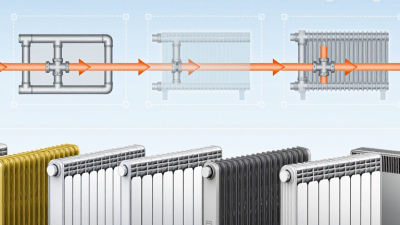
A corrosion-resistant radiator still needs to suit the system around it. Check its operating pressure, water temperature, heat output, and connection sizes against the existing installation. A radiator that fits the wall but cannot meet the room’s heat demand is a poor match. Small details matter.
Look at the metals already in the pipework, too. Copper, steel, and aluminum can interact in circulating water, especially when the system’s inhibitor level is low. Follow the radiator maker’s guidance on compatible fluids and fittings, and ask a qualified heating professional if the system contains mixed metals. Compatibility is not always obvious from appearance alone. A brief check now can prevent pinhole leaks later.
Maintenance needs vary with water quality and system design. Check joints for dampness, listen for unusual gurgling, and watch for cold patches that may signal trapped air or sludge. Bleeding can help with air, but repeated air problems deserve investigation. Have system water tested when corrosion or deposits are suspected, and top up inhibitor only as specified. I’d avoid routine draining without a clear reason; fresh water can introduce oxygen and encourage corrosion. Keep notes on checks and repairs. They make gradual changes easier to spot.
Verifying Product Standards, Warranty, and Expected Service Life
Before choosing a corrosion-resistant radiator, check which product standards apply to its material and intended heating system. Ask for test reports, not just a general claim of compliance. Confirm that the rated pressure and temperature match your installation. A coating test can show resistance under specific conditions, but it does not guarantee decades of service in every system. Details matter.
Read the warranty closely. Check its length, covered components, corrosion exclusions, and required maintenance. A long warranty may offer limited protection if poor water quality or incorrect installation is excluded. Ask how the expected service life was estimated and what operating conditions that estimate assumes. System water, oxygen exposure, and freeze protection can affect performance. No estimate is exact; that uncertainty deserves attention. Keep the product documents and installation records for future claims.
Tips: Compare the warranty with the stated service life. Ask for written test evidence. Check for leaks or surface changes during routine maintenance. A small mark may mean little, but it is worth investigating early.