What is Radiator Corrosion Resistance and Why Does It Matter?
Radiator Corrosion Resistance is a critical aspect of vehicle maintenance that often goes unnoticed. According to a report by the Automotive Maintenance Council, up to 30% of cooling system failures are due to corrosion. This underscores the importance of understanding how and why radiators corrode over time. Factors like coolant composition, manufacturing materials, and environmental conditions significantly influence corrosion rates.
Corrosion not only diminishes a radiator's efficiency but also affects overall vehicle performance. A well-functioning radiator ensures optimal engine temperature management, which can enhance fuel efficiency and reduce emissions. However, without proper attention to Radiator Corrosion Resistance, vehicle owners may face costly repairs and replacements, leading to unexpected downtime.
Industry experts suggest regular checks of the coolant system and using corrosion-resistant materials whenever possible. Despite these recommendations, many vehicle owners overlook these basics. Ignoring Radiator Corrosion Resistance might seem minor, but the long-term impact on vehicle health could be substantial. This invites a deeper reflection on maintenance practices within the automotive sector.
Understanding Radiator Corrosion Resistance
Radiator corrosion resistance plays a crucial role in vehicle maintenance. When metals react with moisture and chemicals in the environment, they weaken over time. A radiator's integrity directly affects the cooling system. Corrosion can lead to leaks, overheating, and engine failure, which are costly issues.
Understanding how to enhance corrosion resistance can save money in the long run. Regularly checking coolant levels and using high-quality antifreeze helps. These fluids often contain anti-corrosion additives that slow down wear. However, many vehicle owners neglect this maintenance. They often overlook how corrosive elements can affect the radiator's lifespan. This oversight can result in unexpected breakdowns.
It's vital to recognize the role of materials used in radiators. Aluminum and copper have different corrosion resistance levels. Technological advancements have led to better coatings, but no solution is perfect. Regular maintenance remains essential. Even slight visual damage can indicate deeper issues. Addressing these early can prevent significant repairs later on.
Corrosion Resistance Ratings of Common Radiator Materials
This chart illustrates the corrosion resistance ratings of various radiator materials used in automotive applications. The ratings are based on laboratory tests that evaluate how well materials withstand corrosion in typical operating environments.
Factors Contributing to Radiator Corrosion
Radiator corrosion is a concern for many vehicle owners. Several factors contribute to this issue. One major factor is the type of coolant used. Some coolants contain additives that can promote corrosion. If the wrong coolant is used, radiators may deteriorate faster. Regular checks can help identify issues early.
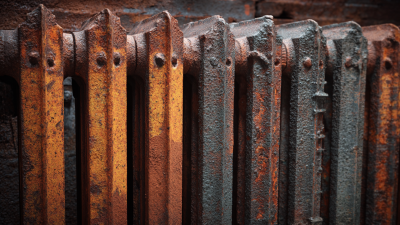
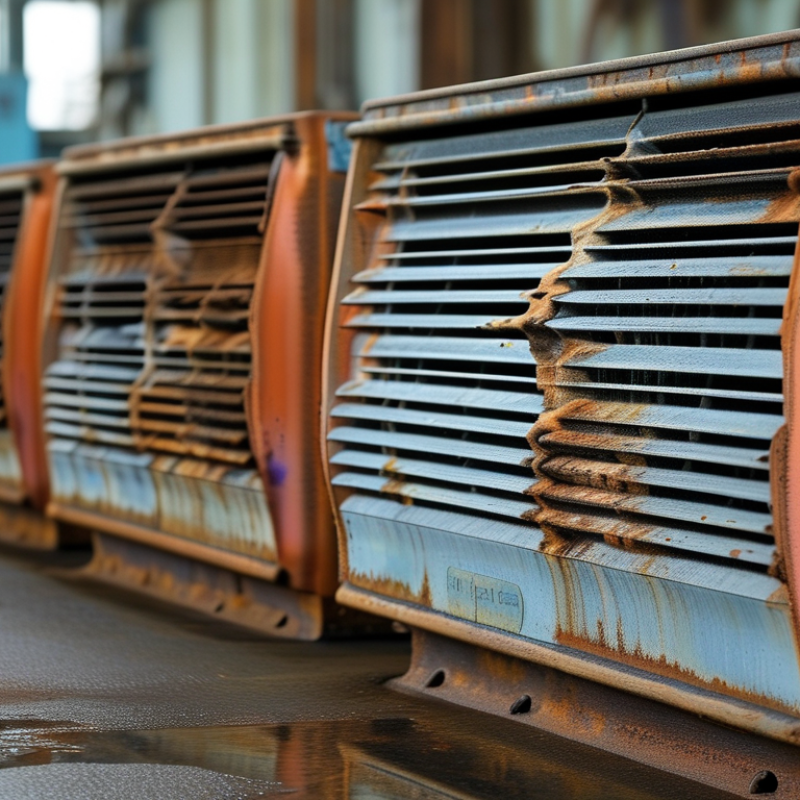
Another factor is the environment. Areas with high humidity or salt can accelerate corrosion. Radiators exposed to these conditions need more attention. Rust can develop quickly in such environments. Additionally, the age of the radiator plays a role. Older radiators tend to be more susceptible to wear and tear.
Maintaining a radiator requires diligence. Regular inspections help identify potential problems. While some corrosion may be minor, it can lead to serious issues. Addressing these problems early can save time and money in the long run. Vehicle owners should remain vigilant about these corrosion factors to preserve radiator longevity.
Impact of Corrosion on Vehicle Performance
Corrosion can significantly impact vehicle performance. It often starts small but can grow into a larger problem. As the radiator becomes corroded, its efficiency decreases. The engine may overheat, leading to more severe issues down the line.
Corroded radiators may also leak. This can result in coolant loss, which is crucial for maintaining engine temperature. When the coolant circulates less effectively, engine parts experience more wear and tear. This scenario could result in costly repairs. Vehicle owners may overlook small signs of corrosion, thinking they are minor. Ignoring these warnings can lead to a snowball effect, affecting overall vehicle reliability.
Regular maintenance checks are essential. Inspecting the radiator for early signs of corrosion can help prevent more significant damage. Using quality coolant can also slow corrosion down. Vehicle owners should be aware of these factors. A proactive approach can maintain not only safety but performance as well.
Methods to Enhance Radiator Corrosion Resistance
Radiator corrosion resistance is crucial for vehicle longevity. Corrosion can lead to leaks and inefficiencies. Enhancing this resistance is vital for optimal performance. Here are some effective methods.
One way to enhance corrosion resistance is through coatings. Special paints and sealants can provide a protective layer. This layer prevents moisture and contaminants from causing damage. Regular maintenance is also key. Inspecting radiators for signs of wear can help catch issues early. Corrosion inhibitors can be added to the coolant.
Another method is using better materials. Some metals are naturally more resistant to corrosion. For example, aluminum and brass are popular choices. However, even these can corrode over time. They require regular checks and cleaning. Sometimes, replacing aging components may be necessary. This proactive approach can save costly repairs in the long run. Be aware of local environmental conditions, as they can impact corrosion rates significantly.
What is Radiator Corrosion Resistance and Why Does It Matter? - Methods to Enhance Radiator Corrosion Resistance
| Method |
Effectiveness |
Cost |
Duration |
| Use of Corrosion Inhibitors |
High |
Moderate |
Long-term |
| Regular Maintenance |
Medium |
Low |
Ongoing |
| Anodic Protection |
Very High |
High |
Long-term |
| Choosing Alloy Materials |
High |
High |
Permanent |
| Fluid Quality Management |
Medium |
Moderate |
Ongoing |
Importance of Regular Maintenance for Radiators
Regular maintenance of radiators is often underestimated. Many car owners neglect this vital aspect. This oversight can lead to serious issues down the road. Radiators are crucial for regulating engine temperatures. If they corrode or malfunction, the entire engine can suffer.
Corrosion can occur due to various factors such as coolant quality and environmental conditions. Dirty coolant can lead to corrosion inside the radiator. Therefore, it's essential to check and change the coolant regularly. Inadequate maintenance can create leaks or blockages. A simple inspection can prevent costly repairs.
Some may think regular checks are unnecessary. However, small issues can escalate quickly. Investing time in routine maintenance ensures longevity. It keeps the radiator functioning efficiently. A well-maintained radiator enhances overall vehicle performance. Ignoring this can result in overheating, which is avoidable. Recognizing the importance of radiator care is essential for vehicle reliability.