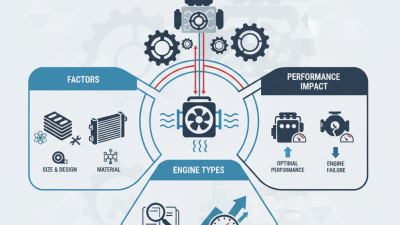
Top Oil Cooler Types for 2026 Which One Is Right for You?
As we look ahead to 2026, the importance of choosing the right oil cooler cannot be overstated. With the global automotive market projected to grow at a CAGR of 4% by 2026, effective cooling solutions are essential for improving engine performance and longevity. Oil coolers play a crucial role in maintaining optimal oil temperatures, which can enhance efficiency and reduce engine wear.
Recent industry reports indicate that advanced oil cooler designs, like air-cooled and liquid-cooled systems, are gaining traction. These types demonstrate better thermal regulation under demanding conditions. A well-engineered oil cooler can boost performance by up to 30%, making it a significant consideration for engineers and vehicle owners alike. However, the right selection often requires careful reflection on vehicle specifications and intended usage.
Many users overlook the compatibility of oil coolers with their engine types. This can lead to inefficiencies or even mechanical failures. Therefore, understanding the various types of oil coolers available is vital. An informed choice will not only enhance performance but also ensure long-term reliability and satisfaction in your vehicle's operation.
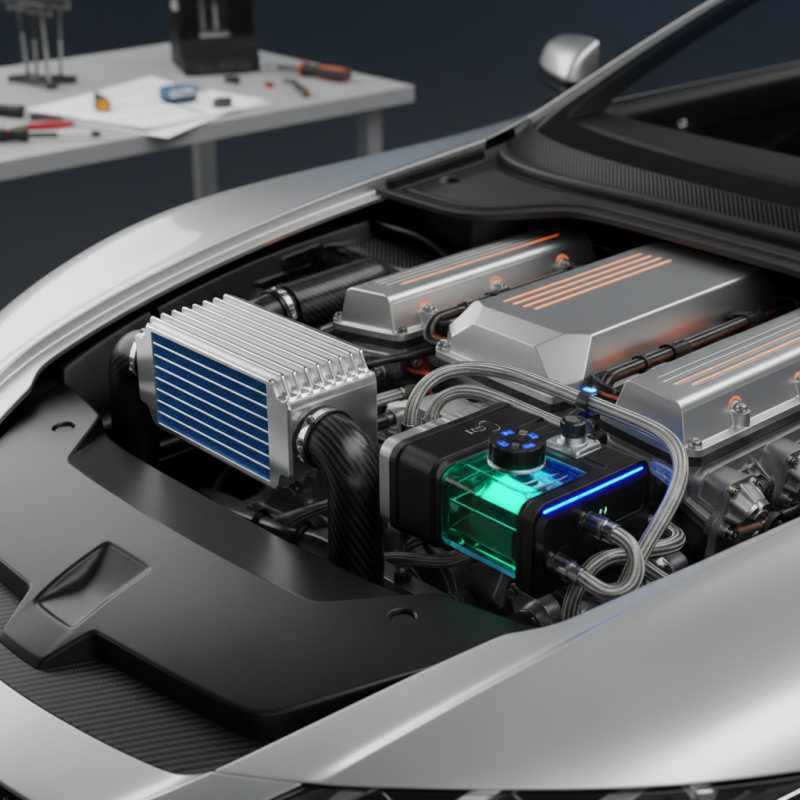
Top Factors to Consider When Choosing an Oil Cooler
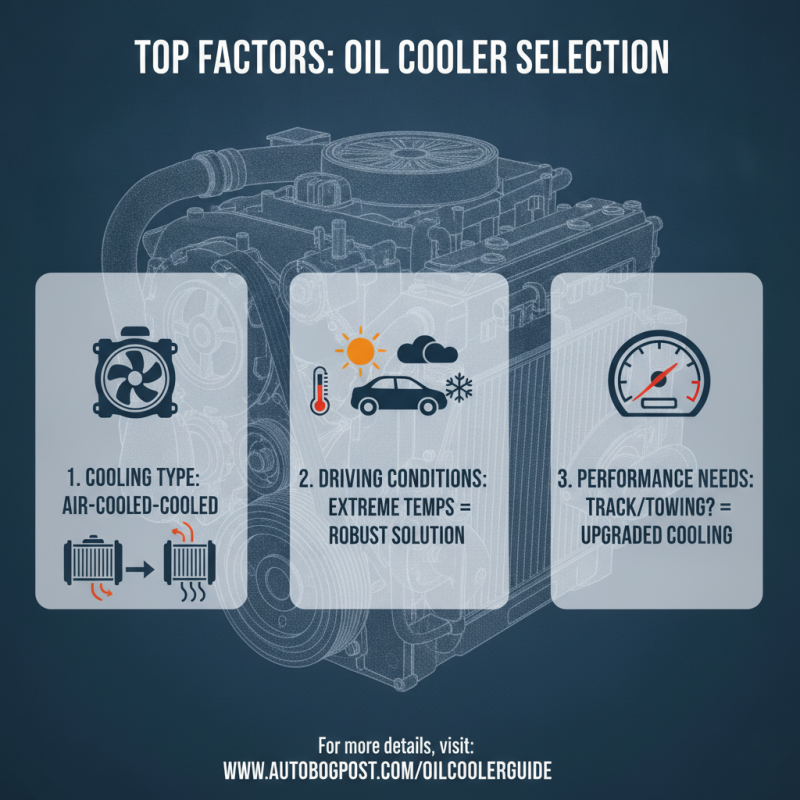
When selecting an oil cooler for your vehicle, there are several key factors to consider. The first is the type of cooling solution you need. Air-cooled and liquid-cooled options offer distinct advantages. Consider your driving conditions. If you frequently drive in extreme temperatures, a more robust solution may be necessary.
Sizing is another crucial aspect. An oil cooler that’s too small won’t provide adequate cooling. Conversely, an oversized unit can lead to overheating issues. The installation space in your vehicle also matters. Ensure you have enough room for the cooler you choose.
Material and build quality affect performance and durability. High-quality materials offer better heat dissipation. They also endure harsh conditions. Consider ease of maintenance; an accessible cooler can save time and effort. Reflect on your budget, but don't compromise too much on quality. Reliability should remain a top priority over price.
Overview of Popular Oil Cooler Types for 2026
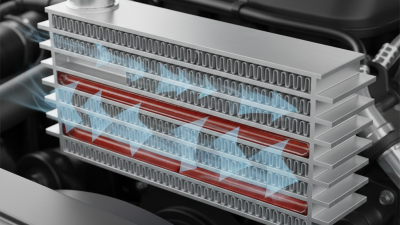
When selecting an oil cooler, understanding the different types available is crucial. In 2026, several popular options will dominate the market. Air-cooled oil coolers, for instance, offer a simple and effective cooling solution. They rely on airflow to dissipate heat, making them lightweight and cost-effective. Studies indicate these coolers can reduce oil temperatures by up to 30%, essential for maintaining engine performance.
Another viable type is water-cooled oil coolers. They use coolant from the engine to provide enhanced cooling efficiency. This design often results in more stable temperature management, especially in high-performance applications. Recent industry reports highlight that water-cooled options tend to improve overall oil life, offering benefits to those prioritizing longevity.
Both types have their merits, but the choice ultimately depends on individual needs. Factors like vehicle usage, budget, and performance goals come into play. While air-cooled systems are simpler, they may not suffice in extreme conditions. Conversely, water-cooled systems require more complex installations. Balancing these considerations will lead to a more informed decision.
Performance Benefits of Different Oil Cooler Designs
Choosing the right oil cooler type for 2026 can significantly impact performance. Each design offers unique benefits. For instance, air-cooled oil coolers are simple and reliable. They work by drawing air over the surface, effectively reducing oil temperature. Yet, their efficiency can be limited in high-demand situations.
Liquid-cooled oil coolers provide better temperature control. They utilize coolant to absorb heat, improving performance in extreme conditions. These types can be complex and may require professional installation. However, they deliver superior cooling when needed. Consider your specific needs before deciding.
Tip: Always assess your vehicle’s usage. If you drive hard, liquid coolers might be the way to go. On the other hand, for everyday use, air coolers could suffice. Monitor oil temperature regularly to ensure optimal performance. This small step can lead to long-term benefits.
Installation and Maintenance Tips for Oil Coolers
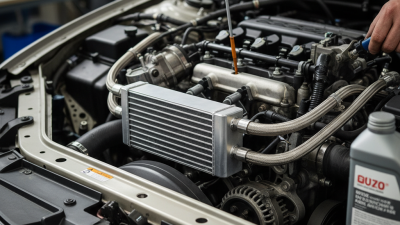
When choosing an oil cooler, installation and maintenance are crucial for optimal performance. According to industry reports, a well-installed cooler can improve engine efficiency by up to 20%. Proper alignment and secure fittings help prevent leaks and ensure reliable operation. Pay attention to the mounting location, as this affects airflow and cooling capacity.
Regular maintenance is equally important. Experts recommend checking coolant levels and inspecting hoses every 3,000 miles. Clogged lines can reduce cooling efficiency, leading to overheating. A simple flush every year can help maintain optimal flow. An oil cooler can suffer from wear and tear, so regular cleanings should not be overlooked.
Remember, neglecting these details can lead to serious issues. Some users find themselves grappling with unexpected failures. Keeping an eye on early warning signs will save time and extend the cooler’s lifespan. A proactive approach to installation and maintenance creates reliability, driving better engine performance.
Future Trends in Oil Cooler Technologies and Features
The oil cooler technology landscape is evolving rapidly. We see increasing focus on materials and efficiency. A recent report from the International Journal of Heat and Mass Transfer highlights that advanced materials can improve heat transfer by up to 30%. This means better cooling performance and longer engine life.
One trend is the integration of smart technologies. Sensors can monitor temperatures and adapt performance in real-time. According to a study by Automotive Engineering, intelligent systems can reduce energy consumption by 15%. However, these systems may increase complexity and maintenance challenges, which need careful consideration.
The rise of electric vehicles is another factor. With more EVs on the road, oil coolers must adapt. Researchers emphasize that lightweight designs are essential to meet efficiency goals. Nonetheless, finding the right balance between weight and durability can be tricky. The evolution of oil cooler features is promising, yet challenges remain for manufacturers and consumers alike.
Top Oil Cooler Types for 2026