10 Oil Cooler Buying Tips for Global Buyers?
Buying an Oil Cooler for international equipment requires more than comparing prices. Performance depends on oil flow, heat load, operating pressure, ambient temperature, and available installation space. A cooler that works well in a mild workshop may struggle in a dusty quarry or a tropical port.
This guide presents ten practical buying tips for global buyers. It focuses on specifications, material selection, supplier experience, testing, documentation, and long-term maintenance. Check the oil type carefully. Hydraulic oil, engine oil, and transmission fluid can require different cooler designs. Also measure the connection size, mounting points, and core dimensions before requesting quotations.
Small details matter. A two-millimeter mismatch can delay installation. Ask suppliers for verified flow-rate data, pressure-drop figures, test records, and clear warranty terms. Review product drawings instead of trusting photographs alone. Confirm packaging quality when the unit must travel by sea or across rough inland roads. Regional climate also deserves attention, especially where freezing temperatures, salt air, or heavy dust are common.
Price still matters, but it should not control every decision. A cheaper cooler may create higher energy use, frequent cleaning, or unexpected downtime. Even experienced buyers can overlook service access or replacement-part availability. That mistake is easy to make. Use this article as a practical checkpoint, not an absolute formula. The final choice should match the machine, application, supplier capability, and documented operating conditions.
Define the Oil Cooler Type and Its Intended Application
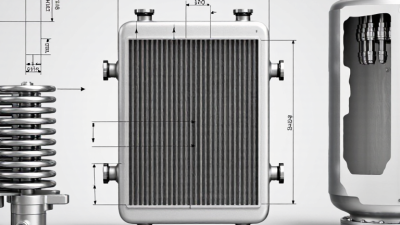
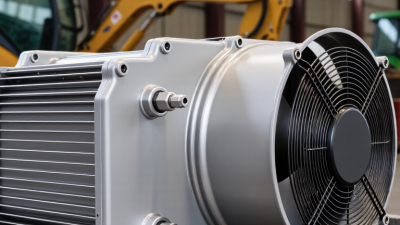
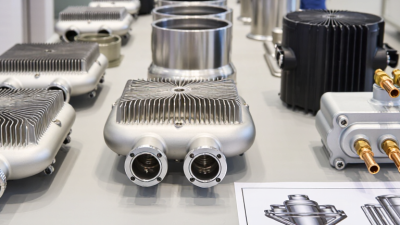
Before comparing prices, define what the oil cooler must do. An air-cooled unit suits vehicles and machinery with steady airflow. A water-cooled exchanger fits compact systems with available coolant circulation. Plate, shell-and-tube, and finned designs behave differently under pressure, vibration, and contamination. Do not choose by appearance alone. A small workshop may favor easy cleaning, while a mobile machine may need impact resistance and low weight. The right type depends on the heat source and installation space.
Describe the intended application in measurable terms. Record oil flow, operating pressure, inlet temperature, target outlet temperature, ambient temperature, and duty cycle. A hydraulic excavator working in dusty heat needs different protection from a gearbox inside a clean factory. Check oil viscosity, because thick oil can restrict flow during cold starts. Confirm thread standards, hose routing, mounting orientation, and service clearance. These details often decide whether installation is practical.
During field inspections, buyers sometimes specify maximum heat load but forget minimum ambient conditions. That gap can cause slow warm-up or excessive pressure drop. I have seen a cooler meet its rated capacity yet fail the machine’s real duty cycle. Ask for test conditions, materials, pressure ratings, and cleaning guidance. Leave room for uncertainty. Supplier data is useful, but measured site conditions deserve more trust.
Match Cooling Capacity with Engine Size and Operating Conditions
Choosing an oil cooler by engine size alone can create expensive mistakes. A larger engine usually produces more heat, but operating conditions matter just as much. A compact engine working at high load may need more cooling than a larger engine used intermittently.
Estimate the required heat rejection from engine output, oil flow, oil temperature, and ambient temperature. Check the cooler’s rated capacity under conditions close to your application. A rating based on mild laboratory air may not represent a dusty site at 40°C. I have seen undersized systems cause oil temperatures to rise during slow, heavy-duty work. That detail is easy to miss.
Tip: Match cooling capacity to the engine’s real duty cycle, not its brochure size.
Allow a safety margin, but avoid excessive capacity. An oversized cooler can slow oil warm-up and increase pressure drop. Confirm the acceptable oil temperature range and the maximum inlet pressure before purchase. Review fan performance, airflow direction, mounting space, and hose length together. Small changes can affect results.
Tip: Ask for test conditions, flow data, and pressure-drop curves.
Global buyers should also consider altitude, seasonal temperatures, replacement parts, and service skills. A cooler that performs well in a cool workshop may struggle in a hot, high-altitude region. I would rather select a slightly conservative design than trust an attractive number without test details. Still, every margin should be justified. Too much safety can become wasted cost and unnecessary installation space.
Compare Flow Rate, Pressure Rating, and Heat Transfer Efficiency
10 Oil Cooler Buying Tips for Global Buyers
Comparing flow rate, pressure rating, and heat transfer efficiency requires more than reading a product sheet. Start with the oil’s viscosity, operating temperature, and expected load. A cooler rated for water may perform differently with thick hydraulic oil. Check both nominal and peak flow rates. Insufficient flow leaves hot zones inside the system, while excessive flow can increase pressure loss. Request test conditions, not only efficiency percentages.
Tip:
Match the cooler’s pressure rating to the highest real system pressure. Add a sensible safety margin, but avoid oversized specifications that raise costs unnecessarily. Review pressure drop at your actual flow rate. A low pressure drop often protects pump performance. However, it does not automatically mean better heat transfer. That assumption needs testing.
Heat transfer efficiency should be compared at identical inlet temperatures, ambient conditions, oil types, and flow rates. Ask whether results come from laboratory testing or field operation. Global buyers should also confirm measurement units, connection standards, and documentation quality. One overlooked conversion between bar and psi can distort a purchasing decision. I have seen technically strong comparisons fail because the test oil was much thinner than the customer’s oil. Recheck the data. Real systems are rarely perfect, and operating conditions change.
Evaluate Supplier Quality, Certification, Warranty, and Total Cost
Tip 1: Check supplier quality beyond photographs and polished catalogs. Ask for material certificates, pressure-test records, dimensional reports, and traceability documents. An experienced supplier should explain tube materials, brazing methods, surface treatment, and inspection limits clearly. Request a sample unit before placing a large order. Test its flow, pressure resistance, and mounting accuracy in conditions close to your application. Small inconsistencies can become expensive installation problems.
Tip 2: Verify certifications, but do not treat certificates as proof of everything. Confirm the issuing body, certificate scope, validity date, and matching factory address. Quality management certification can indicate controlled processes, while product-specific compliance may require additional evidence. I once relied too heavily on a familiar certificate format. That was careless. A third-party inspection or factory audit may reveal gaps that documents hide.
Tip 3: Read the warranty like a technician, not a salesperson. Check coverage length, excluded failures, replacement procedures, response times, and responsibility for shipping costs. Ask whether corrosion, vibration, incorrect installation, or contaminated fluid affects coverage. Compare total cost, including tooling, packaging, freight, import charges, testing, spare units, and downtime. The lowest quotation may become the most expensive option after a failed cooler delays production. Keep every promise in the purchase contract. Verbal assurances are easy to forget.
10 Oil Cooler Buying Tips for Global Buyers
Suggested evaluation weighting for comparing oil cooler suppliers, based on practical procurement priorities.
Supplier quality, verified thermal and pressure performance, certification, warranty coverage, and total cost should be evaluated together. A low purchase price may create higher lifecycle costs through energy use, maintenance, replacement parts, freight, or downtime.