Top 10 Heat Exchanger Tube Types for Optimal Performance?
In the world of thermal management, the Heat Exchanger Tube plays a crucial role. These tubes facilitate efficient heat transfer in various applications, ranging from power generation to HVAC systems. Choosing the right type of heat exchanger tube can significantly impact overall system performance and energy efficiency.
Different heat exchanger tube types offer various benefits. Some excel in enhancing heat transfer rates, while others focus on durability under extreme conditions. However, selecting the ideal tube type is not straightforward. Factors like fluid properties, temperature range, and space constraints complicate the decision-making process.
It's vital to consider these aspects to optimize system design. Engineers often face challenges when balancing performance with cost. Each type has its strengths and weaknesses. As technology evolves, new materials and designs emerge, making it essential to stay updated. Understanding the nuances of heat exchanger tubes can lead to better performance and greater sustainability in thermal systems.
Overview of Heat Exchanger Tubes and Their Importance
Heat exchangers are vital in various industries, playing a crucial role in energy efficiency and process optimization. The choice of tube type directly affects a heat exchanger's overall performance. Tubes designed for effective heat transfer can significantly enhance system efficiency. A report by the International Energy Agency highlights that improper tube selection can lead to up to 20% energy loss in industrial processes.
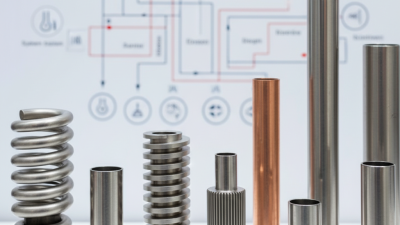
Different tube configurations serve unique purposes, each with advantages and drawbacks. For example, single tubes are straightforward but may not maximize surface area. In contrast, finned tubes offer improved heat transfer by increasing surface area, although they can complicate cleaning and maintenance. A detailed study illustrated that finned tubes can increase heat transfer rates by up to 40% compared to plain tubes, particularly in gas-to-liquid applications.
Material selection also plays a crucial role in performance. Materials must withstand specific operational pressures and temperatures. Corrosion resistance is a priority, as it extends the operational life of the heat exchanger. Some materials, while cost-effective, require frequent replacements due to corrosion. Evaluating long-term costs against initial expenses can reveal deeper insights into economical choices. These considerations reflect the complexity surrounding heat exchanger tube selection, emphasizing that optimal performance requires a comprehensive understanding of design, materials, and their interplay.
Types of Heat Exchanger Tubes and Their Applications
Heat exchangers are vital in various industries due to their ability to efficiently transfer heat. Different types of heat exchanger tubes cater to specific applications, ensuring optimal performance. For instance, "U-tube" heat exchangers are prevalent in power plants, providing efficient heat transfer with minimal pressure drop. According to the Heat Transfer Research Institute, U-tubes can increase thermal efficiency by up to 15% compared to other designs.
Another commonly used type is the "shell and tube" heat exchanger, favored for its versatility and robustness. This design allows for high heat transfer rates, handling large flow rates. Reports from the American Society of Mechanical Engineers highlight that shell and tube configurations are responsible for over 60% of heat exchanger applications in industrial fields, such as chemical processing and oil refining. The reliability of this design often leads to extended usage life, reducing operational costs significantly.
However, some challenges exist with specific heat exchanger tubes. Corrosion and fouling can pose major issues, affecting heat transfer efficiency. Regular maintenance is crucial, as neglect can lead to failures. Effective monitoring technology can mitigate these risks, but implementation varies across industries. The constant evolution of heat exchanger technologies pushes for better materials and designs, highlighting the industry's need for adaptation and innovation.
Material Considerations for Heat Exchanger Tubes
When selecting materials for heat exchanger tubes, several factors come into play. Corrosion resistance is critical. Common materials include stainless steel and copper alloys. These materials withstand harsh environments but may not be the best fit for every application. For example, aluminum provides lightweight options, but offers lower strength compared to steel.
Thermal conductivity is another important aspect. Higher conductivity enhances heat transfer efficiency. Copper excel in this area, though it may not withstand high pressures well. Sometimes, engineers may overestimate a material's properties. This can lead to unexpected failures in high-stress situations. Therefore, it's crucial to match the tube material with the specific operating conditions.
Cost also plays a significant role. While high-performance materials offer benefits, they often come with a steep price. Balancing performance with budget is essential. Engineers must consider the long-term operational costs versus initial investments. This thought process can help prevent potential overspending on suboptimal solutions. Ultimately, selecting the right material requires thorough analysis and reflection on both current and future needs.
Top 10 Heat Exchanger Tube Types for Optimal Performance
| Tube Type |
Material |
Thermal Conductivity (W/m·K) |
Corrosion Resistance |
Typical Applications |
| Copper |
Copper Alloy |
400 |
Moderate |
Chillers, Air Conditioners |
| Stainless Steel |
AISI 316 |
16 |
High |
Food Processing, Pharmaceuticals |
| Titanium |
Grade 2 |
22 |
Very High |
Marine Applications, Chemical Processing |
| Carbon Steel |
A106 |
45 |
Low |
Power Plants, Oil Refineries |
| Aluminum |
6061 |
200 |
Moderate |
HVAC Systems, Automotive |
| Nickel Alloy |
Inconel 600 |
14 |
Very High |
Aerospace, High-Temperature Applications |
| Glass-Filled Polypropylene |
PP-GF |
0.25 |
Moderate |
Chemical Processing |
| Fiberglass |
Vinyl Ester |
0.2 |
High |
Corrosive Environments |
| Copper-Nickel |
CuNi 90/10 |
30 |
High |
Marine Heat Exchangers |
| Carbon Fiber |
Reinforced Polymer |
Variable |
High |
Lightweight Applications |
Performance Factors Influencing Heat Exchanger Efficiency
Heat exchanger efficiency relies heavily on several performance factors. The design of the tube plays a crucial role in how effectively heat transfer occurs. Different types of tubes allow for varying surface areas and flow patterns, impacting the heat exchange rate. For instance, smooth tubes may reduce pressure drop, while corrugated tubes enhance turbulence. The choice of material also significantly influences thermal conductivity, corrosion resistance, and overall durability.
Fluid dynamics is another key consideration. The flow arrangement, whether concurrent or counterflow, affects temperature gradients and the overall effectiveness of heat transfer. A proper balance between these arrangements can optimize performance. Moreover, factors like fouling and scaling can compromise efficiency over time. Regular maintenance is essential to mitigate these issues and extend the lifespan of the heat exchanger. Each design decision has strengths and weaknesses that must be evaluated frequently for optimal operation.
Maintenance and Longevity of Heat Exchanger Tubes
Proper maintenance of heat exchanger tubes can significantly enhance their longevity. Regular inspections are crucial in identifying early signs of wear or corrosion. Data shows that nearly 30% of heat exchanger failures result from inadequate maintenance practices. Scheduled cleaning can prevent scaling and fouling, which are major contributors to inefficient thermal transfer. The right cleaning method varies depending on the tube material and fluid type, making it essential to consult relevant guidelines.
Moreover, using protective coatings can extend the life of heat exchanger tubes. Coatings can resist chemical corrosion and physical abrasion, ensuring better reliability. Industry reports suggest that employing such solutions can increase tube lifespan by up to 50%. However, proper application and periodic assessments are vital, as improper use can lead to unexpected failures. Neglecting these factors can diminish performance and raise operational costs.
It's also essential to evaluate the operational environment. Heat exchangers installed in corrosive or high-temperature settings often face accelerated degradation. Adopting a preventive maintenance strategy can mitigate risks associated with extreme conditions. Tracking performance metrics can provide insights for timely interventions and ensure optimal operation. Nonetheless, the industry still grapples with the challenge of defining standard maintenance protocols tailored to diverse industrial applications. These reflections highlight that even established practices need constant reassessment to improve reliability and efficacy in heat exchanger performance.